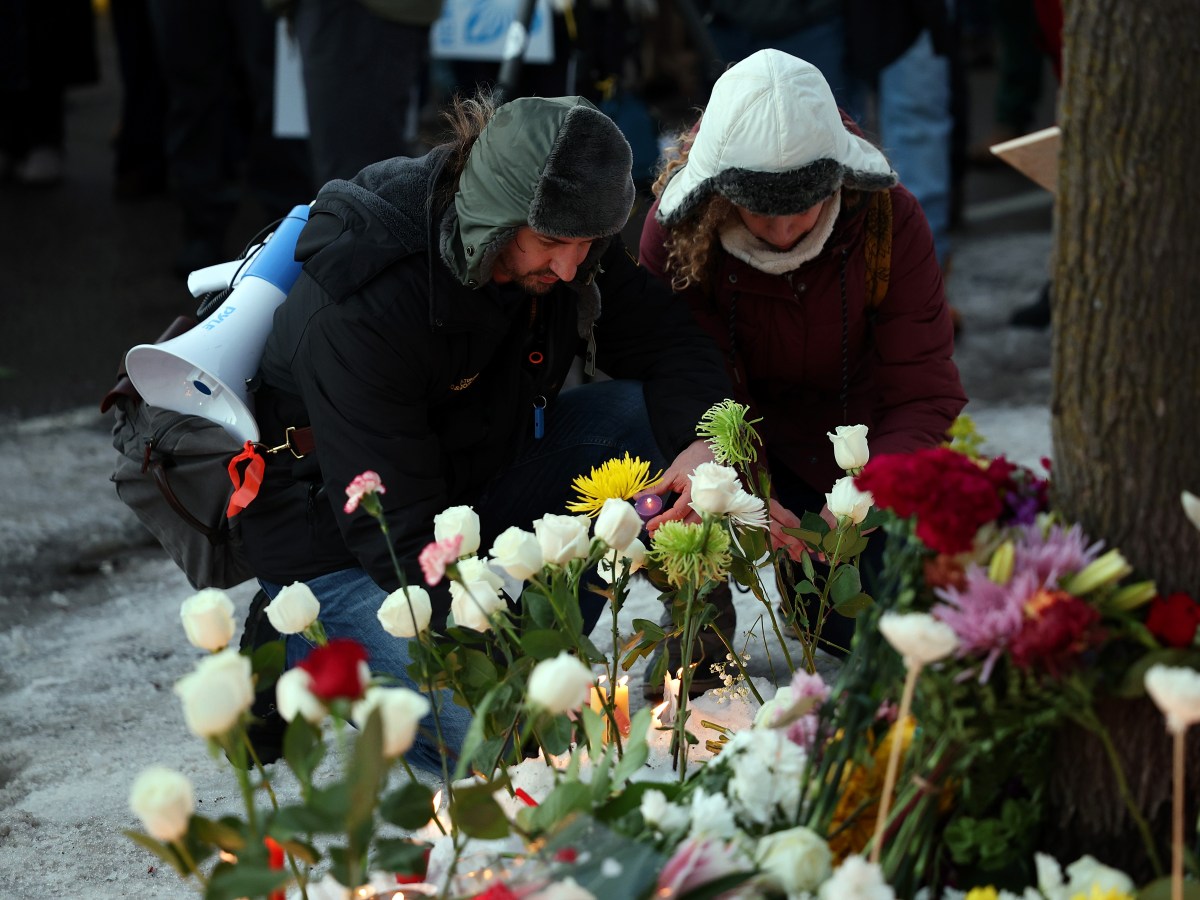
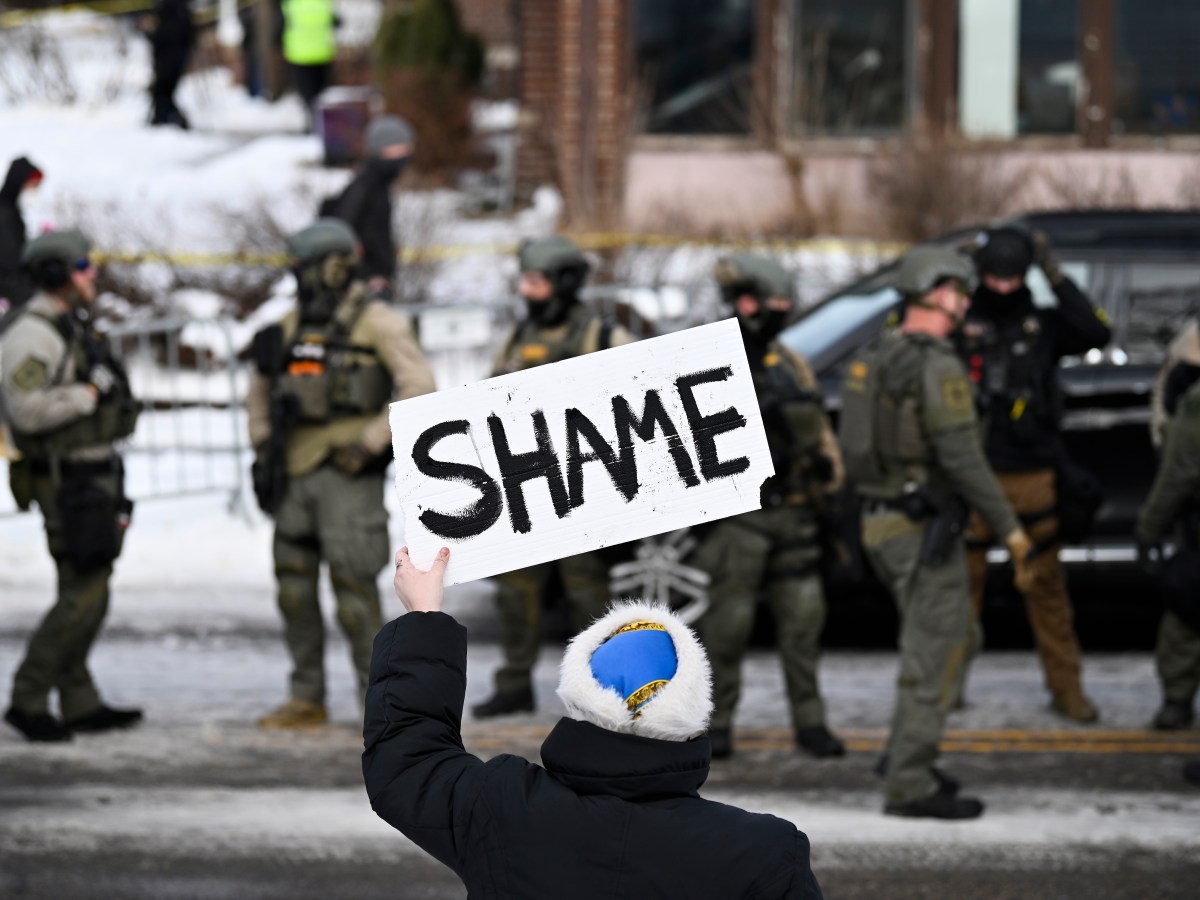
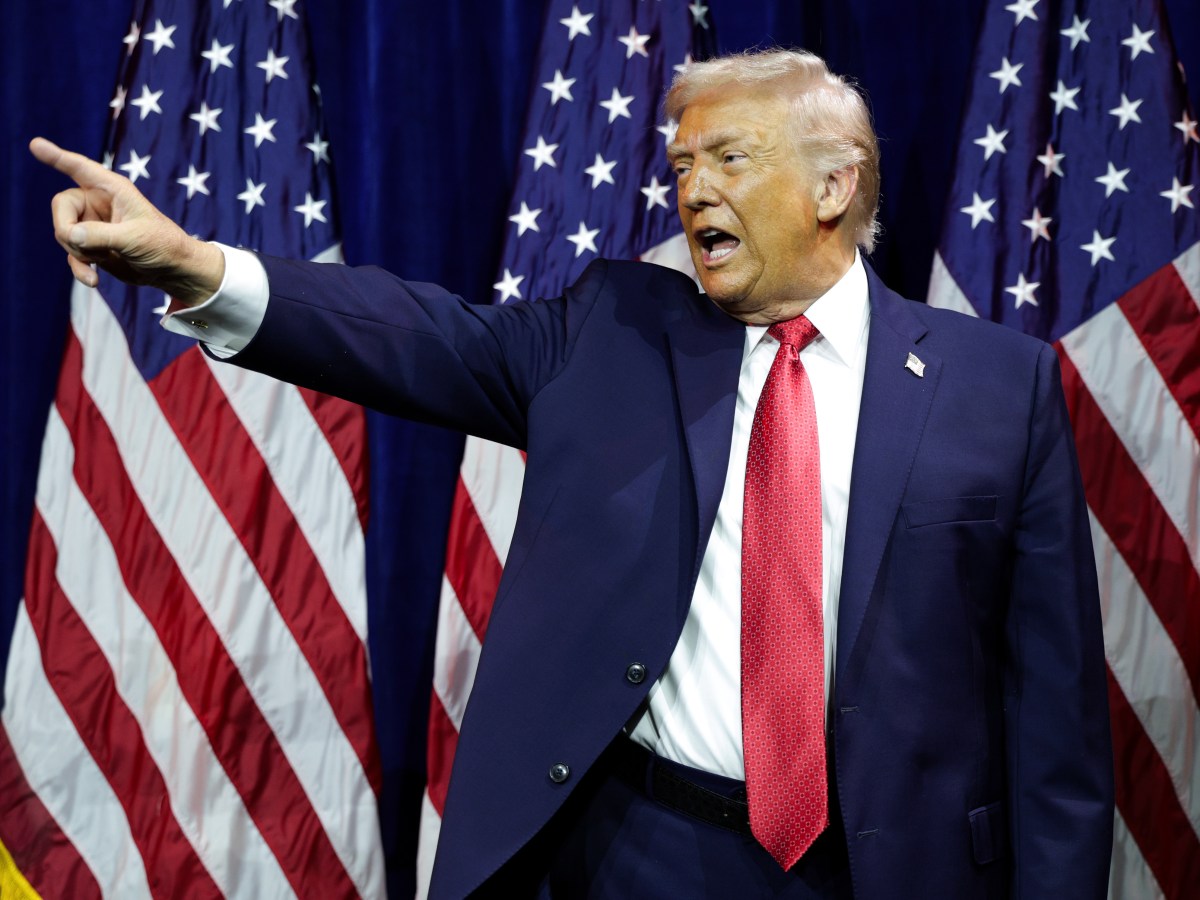
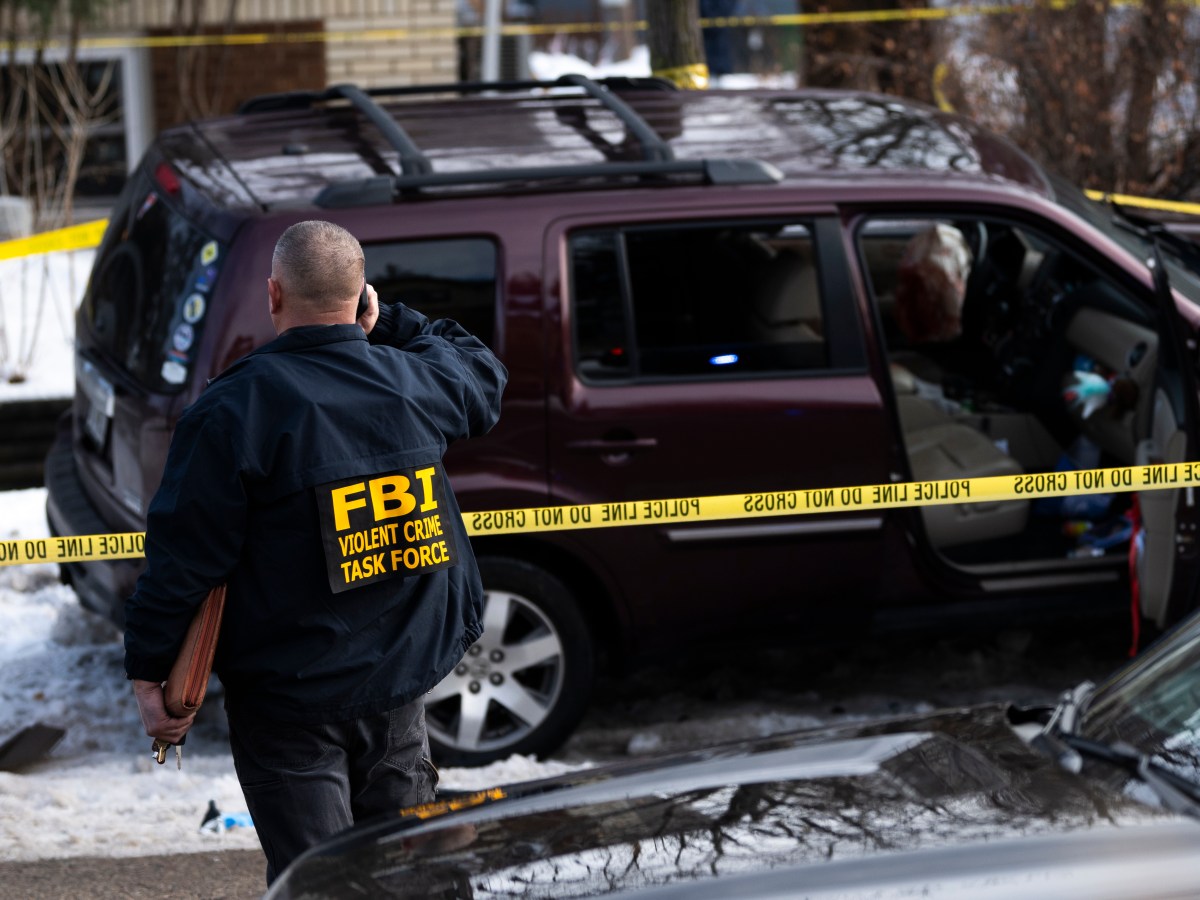
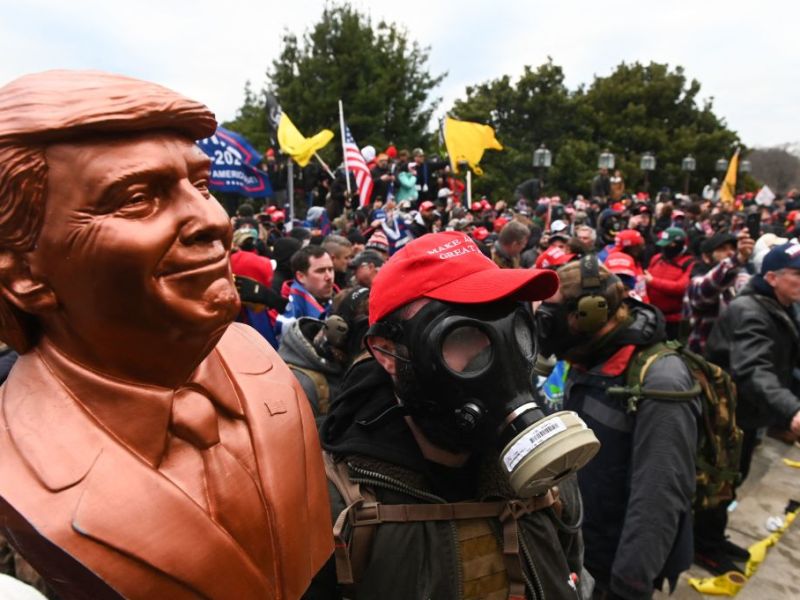
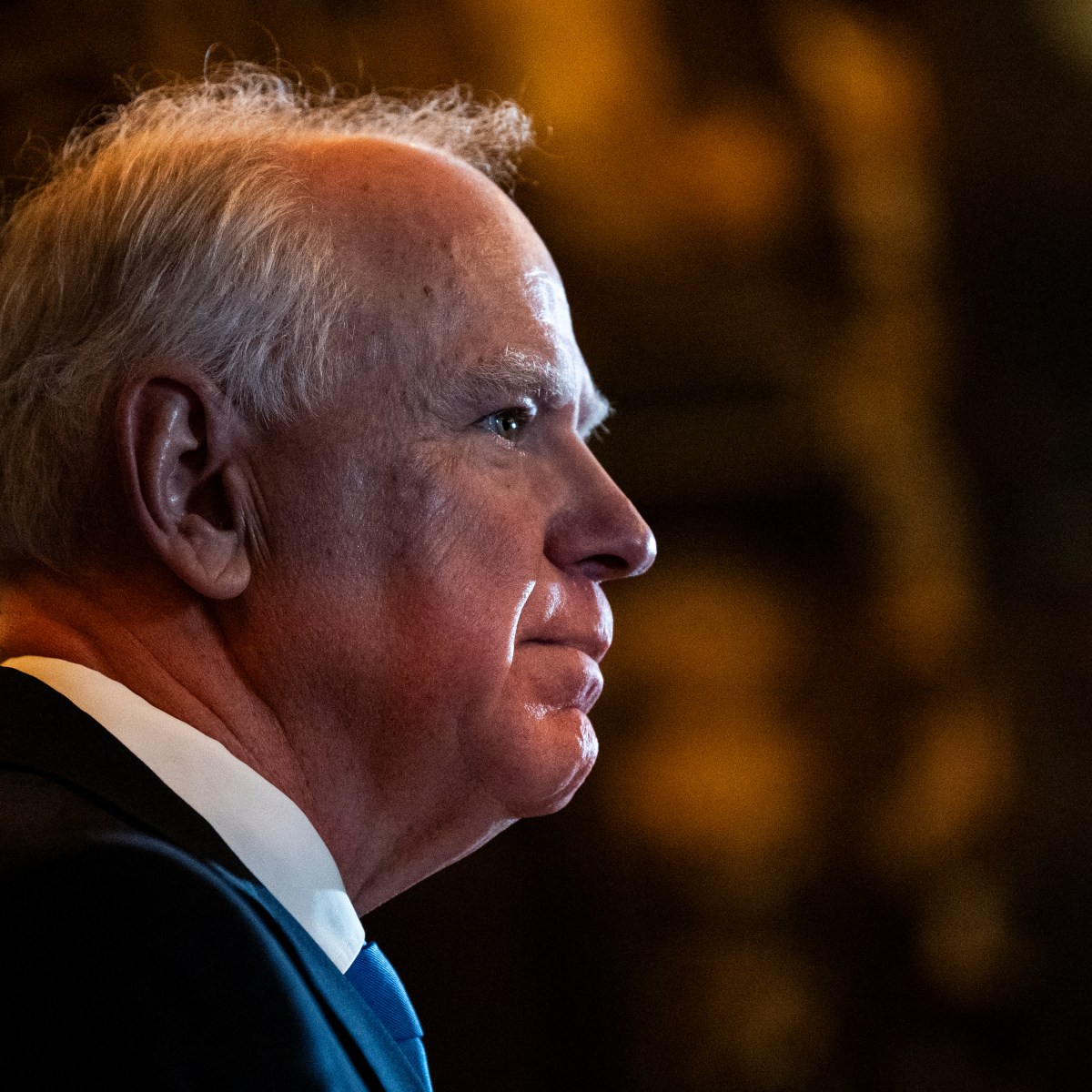
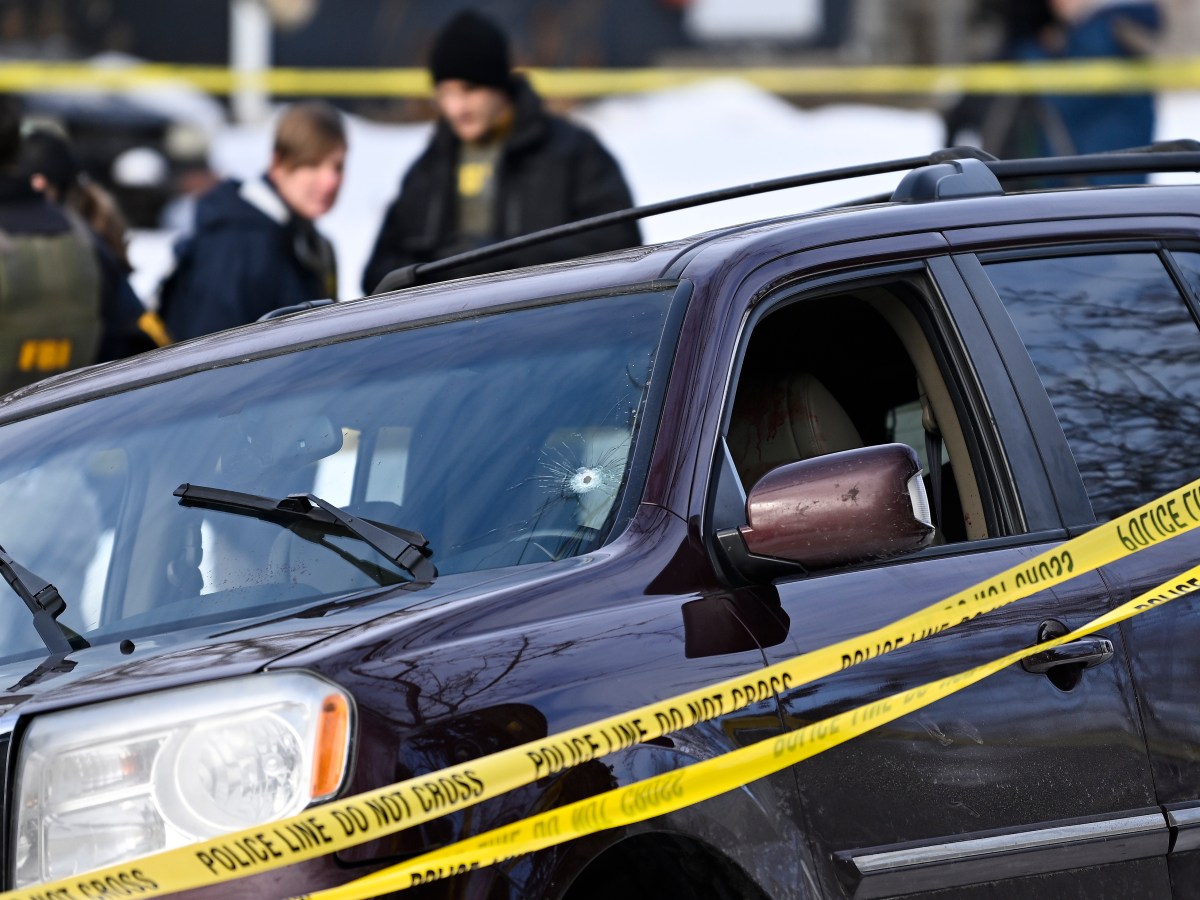
I’ve seen some comments that whatever the hideousness of it, President Trump’s and the GOP’s insistent defense of Minneapolis shooting is actually good politics — the thinking being that it pulls the public conversation away from Jeff Epstein and the cost of living and refocuses it on to protestors and blue cities, things that feel like they’re in the GOP’s comfort zone. I don’t buy this. It is in their comfort zone. But comfort zones don’t equal good politics.
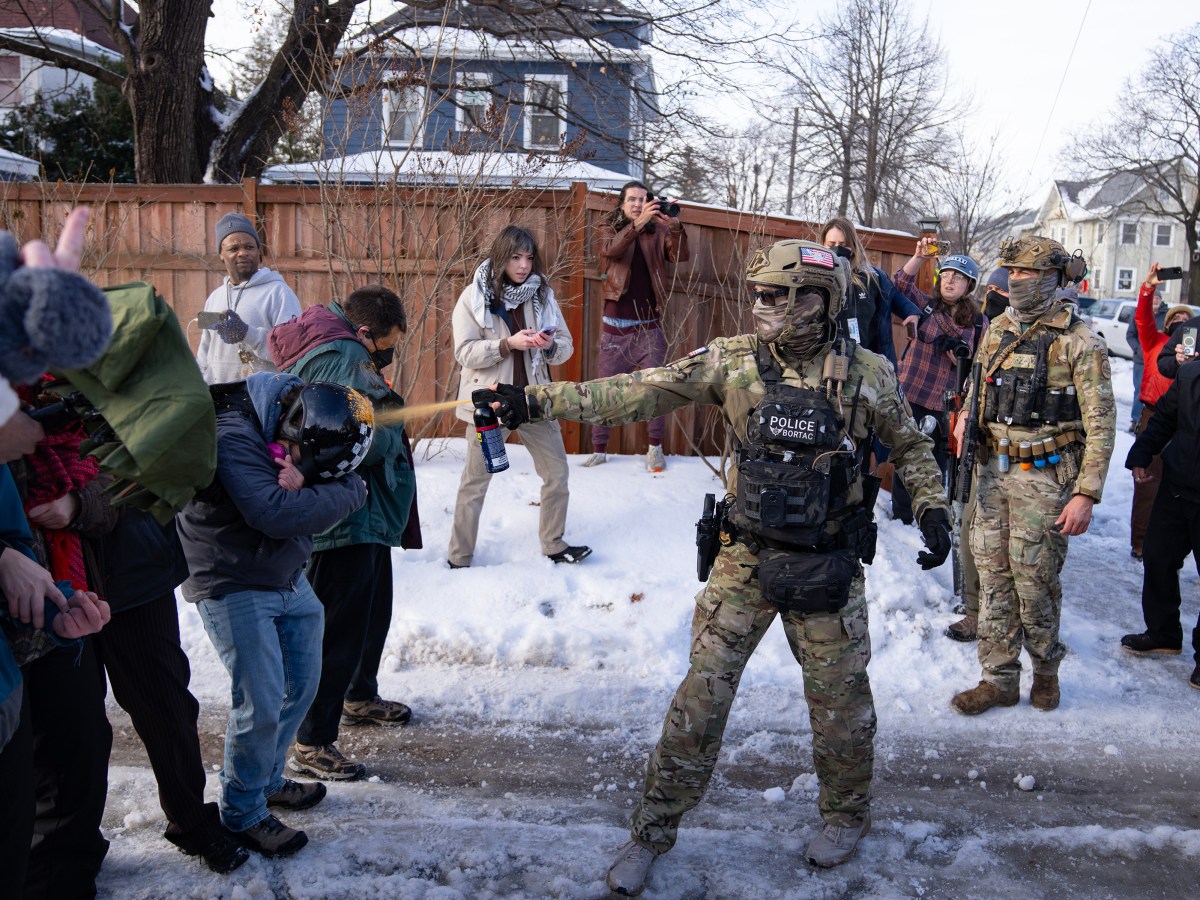
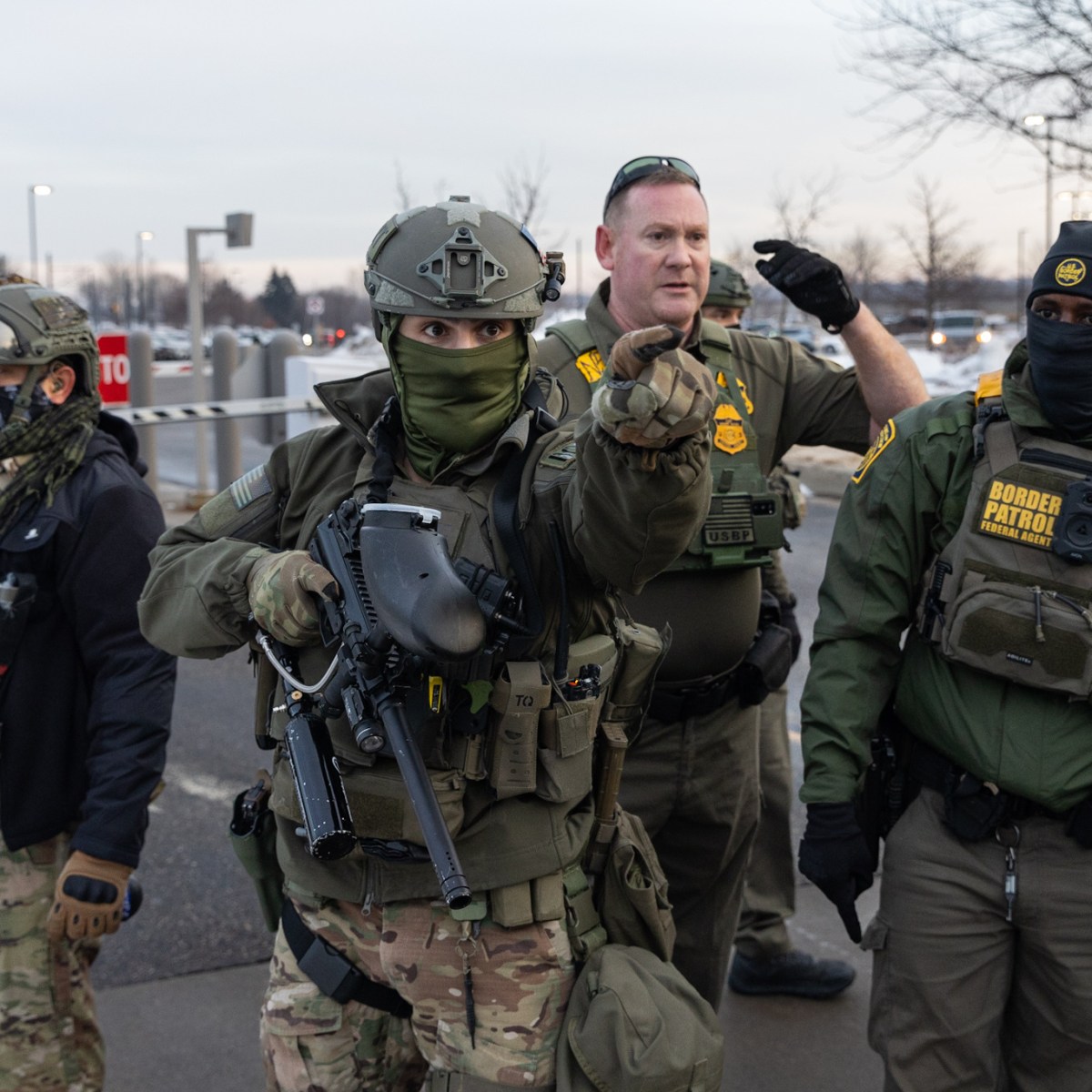
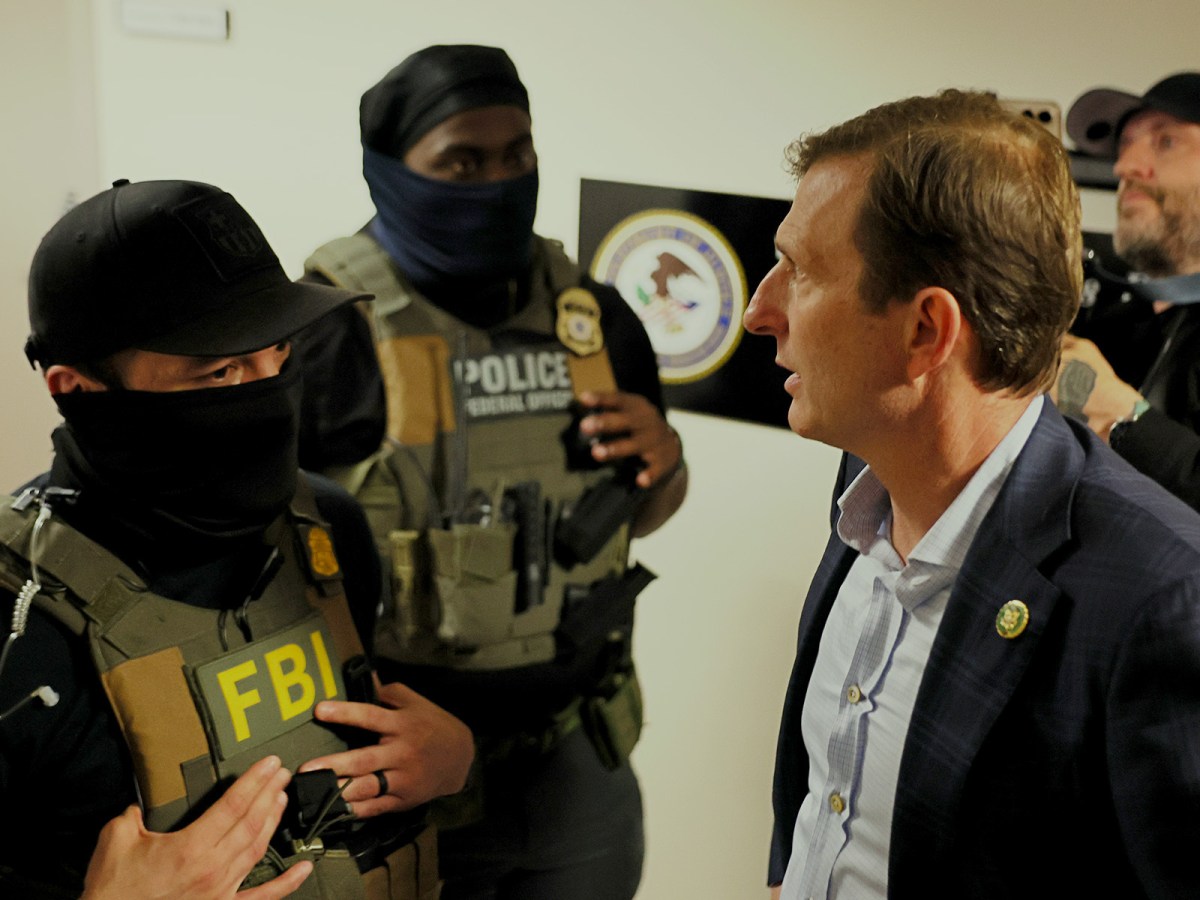
If you’ve been watching reportage and viral videos of immigration raids over the last six months, you’ll remember that often there will be law enforcement officers or agents with uniforms that simply say “DHS Police.” Not Immigration and Customs Enforcement or Customs and Border Patrol, just “DHS Police.” As far as I know, there is no such agency under DHS. DHS employs some 80,000 law enforcement officers spread across nine agencies and offices. So I think that the uniforms just provide a general designation that these are law enforcement officers from within the Department of Homeland Security. That’s a vast amount of coercive power concentrated in this one department, notwithstanding the fact that most of these offices and agencies exist for fairly narrow areas of enforcement, administering points of entry into the U.S., inspecting persons and luggage getting on to commercial passenger jets, protecting federal officials and federal installations.
But what was clear from DHS’s creation was that that power could all be directed and concentrated toward some corrupt or illegitimate purpose. And that, among many other things, is what we’ve seen over the last year.
People who don’t like Donald Trump are kinda gun-shy talking about turning points. Turning points of course can mean very many things. But as I watched first the videos of the murder of Renee Nicole Good and even more the official reactions to it I’ve started to think that we’re in the process of seeing one. I don’t mean Donald Trump is doomed politically, though perhaps he is. I mean a turning point in the public perception of ICE (and the Border Patrol) and their newly hyper-militarized role in American cities beginning last summer.
What we see in the videos of Good’s shooting is some mix of a moment of confusion or perhaps minor panic on the part of Good as the driver. And we see this ICE agent draw his weapon in a fairly calm and methodical way and fatally shoot Good in the face.
I remember not so many months ago wondering if I was pushing the envelope a bit by writing that the Justice Department was being run out of the Trump White House. Since those quaint times, evidence has continued to amass that that is exactly how things are being run, but both the White House and Justice Department preferred to maintain the fiction that they were separate entities. Until today.
Here’s what Vice President JD Vance announced midday in a White House press appearance (emphasis mine):
Not long after I first moved to Washington, D.C. more than 25 years ago, I was at a foreign policy event and my friend, who was the moderator, talked about “high trust” versus “high fear” international orders. The concept is simple: trust and fear each build on themselves and tend to create their own equilibria. A high-trust environment encourages trustworthy and predictable behavior. A high-fear environment makes trust foolish and dangerous. It makes rapid resorts to violence and force logical and common. What is most important about this observation is the way each environment is self-perpetuating, how each creates a logic which participants are foolish not to follow, even if they wish they were in a different international order altogether.
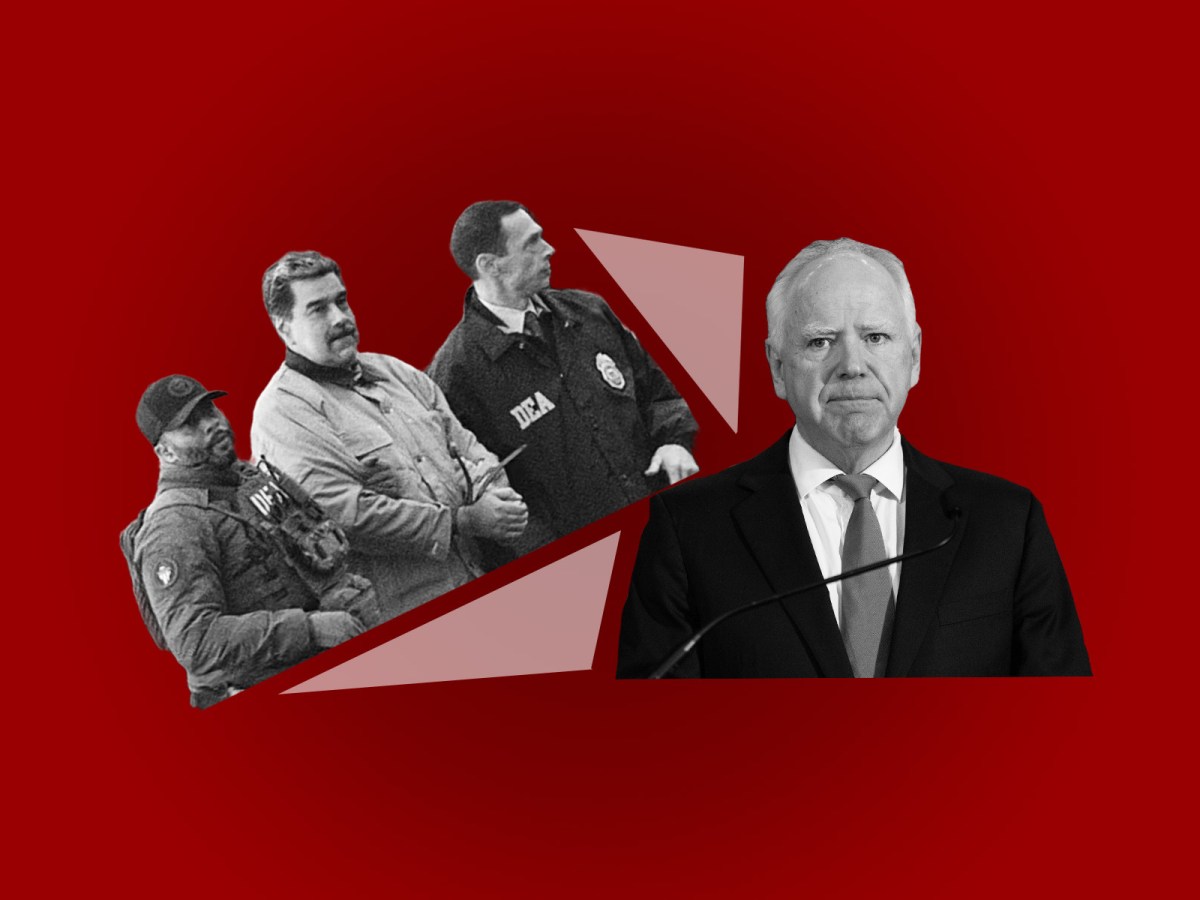
I’ve been watching the various debates about what the U.S. is doing in Venezuela, and may possibly do in Greenland, Cuba or other Latin American states. Most of them, as I’ve noted, seem wildly overdetermined. You have different factions pushing for various military adventures, often for different reasons. If they can pique Trump’s interest, there’s a good chance the adventure will happen. What the reason is depends on which faction you decide was most important. Whatever you find out from that analysis is probably an illusion. There’s a more general pattern that helps understand this current moment, one that has little to do with formal ideology and quite a lot to do with his business practices before he entered politics.
National outrage continues to escalate over the Trump administration’s violent immigration crackdown. Over the past two days, protesters urging Immigration and Customs Enforcement and Customs and Border Patrol to leave their cities took to the streets from Minneapolis and Chicago to Houston, Texas; Portland, Oregon; New York; Oakland and San Diego, California.