


Not long after I first moved to Washington, D.C. more than 25 years ago, I was at a foreign policy event and my friend, who was the moderator, talked about “high trust” versus “high fear” international orders. The concept is simple: trust and fear each build on themselves and tend to create their own equilibria. A high-trust environment encourages trustworthy and predictable behavior. A high-fear environment makes trust foolish and dangerous. It makes rapid resorts to violence and force logical and common. What is most important about this observation is the way each environment is self-perpetuating, how each creates a logic which participants are foolish not to follow, even if they wish they were in a different international order altogether.
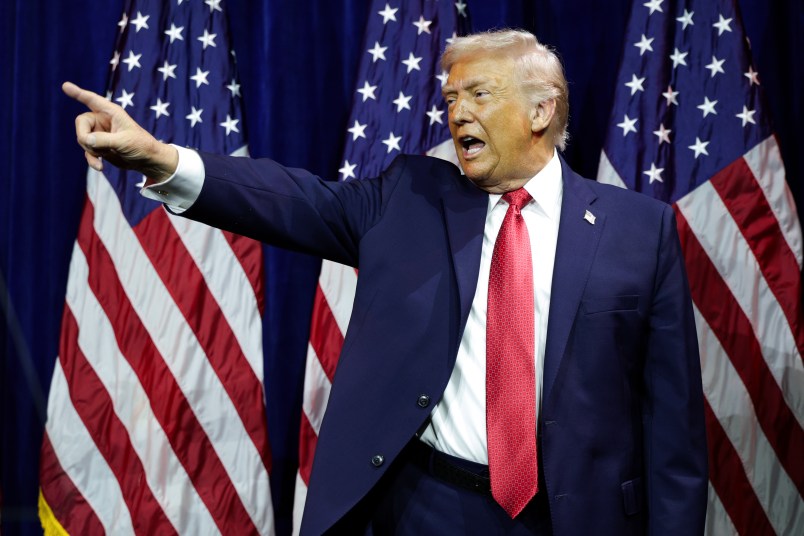
I’ve been watching the various debates about what the U.S. is doing in Venezuela, and may possibly do in Greenland, Cuba or other Latin American states. Most of them, as I’ve noted, seem wildly overdetermined. You have different factions pushing for various military adventures, often for different reasons. If they can pique Trump’s interest, there’s a good chance the adventure will happen. What the reason is depends on which faction you decide was most important. Whatever you find out from that analysis is probably an illusion. There’s a more general pattern that helps understand this current moment, one that has little to do with formal ideology and quite a lot to do with his business practices before he entered politics.
Join TPM to get full-access to our reporting, newsletters, and other member-only features.