As Ukrainian President Volodymyr Zelensky visits Washington to seek more military aid to help fend off Russia’s invasion, a key bloc of Republicans stopped just short of preemptively saying no.
Continue reading “GOP Contingent Throws Up Sound And Fury To More Ukraine Aid As Zelensky Visits”House GOP Launders Disinformation Through Its Public Hearings
A lot of things happened. Here are some of the things. This is TPM’s Morning Memo. Sign up for the email version.
No Good Solutions To This Problem
Back in the day, no one enjoyed a good congressional hearing as much as TPM. The team would get fired up, we’d often have a reporter in the committee room and a cluster of colleagues monitoring via TV. We could rock ‘n’ roll as fast as anyone in sussing out news, calling out bullshit, and bemoaning how repetitive and ineffective the members’ questions often were.
Alas, there is no joy left in Mudville these days.
I want to be clear that committee hearings were never some democratic ideal. They sucked in a lot of ways. But over the past few years congressional hearings have become little disinformation factories, with GOP members using them to launder right-wing conspiracies, personal smears, and Fox News talking points.
Yesterday two separate hearings featuring Biden cabinet officials Merrick Garland and Pete Buttigieg crystalized for me what these hearings have become. They’re no longer about oversight in any meaningful way and they’re not, as the NYT put it today, about scoring partisan political points (that was the old days). Instead, the committee hearings give members the chance to inject the worst of the conspiracizing and crazy talk directly into the public record and into widespread media coverage – and the media still acts as if its powerless to stop participating in it.
I could share with you the inane questions that Garland faced, where his face would contort with confusion over what whack-a-doodle premise was framing the question. Or Buttigieg’s exasperation with having to unpack all the lies and presumptions built into the questions he faced about EVs or his personal travel. But to do so would be to further mainline the disinformation. You get it.
GOP members often used the bulk of their questioning time to make unsupported, false, and misleading statements, culminating with a leading question that was practically rhetorical. There was no way for the witness to clean up the bullshit deposited on the dais, and they were often cut off if they tried.
But I don’t think this is merely a media criticism issue. Biden administration officials aren’t just pinatas in these farce events. They’re props, and they’re being used for nefarious purposes. Because of constitutional checks and balances and the legitimate oversight imperative, it’s not as simple as refusing to attend committee hearings and stiffing congressional subpoenas. But participating in this way on these terms needs a broad rethink because it’s doing real damage to go along with the farce.
McCarthy Locks Arms With Freedom Caucus To Jump Off Cliff
It appears that Speaker McCarthy has decided to push ahead with a continuing resolution that only right-wingers could love. It sets up the possibility of rare Friday and Saturday votes in the House, but more importantly it puts the House in direct conflict with the Senate and White House with no obvious path forward for how to fund the government past the end of the fiscal year, Sept. 30.
To reiterate, this proposed CR is a grab bag of draconian spending cuts and pet messaging vehicles, a Freedom Caucus wish list, if you will. It’s not even clear it will pass the House, let alone go anywhere after that.
Meanwhile, Democrats are reveling in the GOP chaos.
Quote Of The Week
Morning Memo has spared you the Fox News-driven, right-wing outrage cycle around the loosening of the Senate dress code. Sen. John Fetterman (D-PA), who has been shouldering most of the blame for the collapse of civilization the business suit standard, decided to make a one-time deal: “If those jagoffs in the House stop trying to shut our government down, and fully support Ukraine, then I will save democracy by wearing a suit on the Senate floor next week.”
Minnesota Disqualification Clause Case Gets Rolling
The Minnesota Supreme Court set a briefing and argument schedule for the case attempting to disqualify Donald Trump from the GOP primary ballot under the 14th Amendment’s Disqualification Clause. Oral arguments are set for Nov. 2.
One note: The state Supreme Court is largely proceeding as if this will be a legal argument, not a factual one, but it did ask the parties to identify any “genuine issue of material fact that is in dispute.” It’s hard to imagine there not being factual disputes here, so stay tuned for whether the Supreme Court ultimately modifies the schedule to include some sort of evidentiary hearing.
The Impact Of ‘Trump Employee 2’
Harry Litman: What Trump’s assistant told investigators about classified records — and why it’s so damning
Oh Noes!
Rolling Stone: Trump Privately Frets He Could Be Headed to Prison
Cassidy Hutchinson: Giuliani Groped Me On Jan. 6
In her upcoming new book, former Mark Meadows aide Cassidy Hutchinson alleges that Rudy Giuliani groped her backstage at the Jan. 6 rally on the Ellipse:
I feel his frozen fingers trail up my thigh. He tilts his chin up. The whites of his eyes look jaundiced. My eyes dart to John Eastman, who flashes a leering grin.
A Giuliani spokesperson called Hutchinson’s allegation “a disgusting lie.”
Rudy G Defamation Trial Set For Dec. 11
U.S. District Judge Beryl Howell set the trial of the defamation case against Rudy Giuliani by Georgia election workers Ruby Freeman and Shaye Moss for Dec. 11 and ordered the parties to be present in the courtroom for the duration of the trial.
Confirmed
Nora Dannehy, who for a time was the No. 2 in Special Counsel John Durham’s investigation of the Trump-Russia investigators, has publicly confirmed that she resigned from Durham’s team because of:
- concerns then-Attorney General Bill Barr was violating DOJ guidelines with his public remarks about the investigation; and
- her strong disagreement with the contents of interim report that was considered for release before the 2020 election.
Dannehy is a longtime prosecutor who is now a nominee to the Connecticut Supreme Court. She confirmed her misgivings about the Durham probe during her confirmation hearing yesterday.
Culprit AND Victim
Ray Epps, the man who became the target of a smear campaign by Tucker Carlson and other right-wing provocateurs, who falsely alleged that he was a government agent, pleaded guilty to a misdemeanor for the Jan. 6 attack.
Hunter Biden Must Appear For Arraignment
Morning Memo had a slightly raised eyebrow yesterday about prosecutors opposing Hunter Biden’s request for his arraignment to be via video conference, but the judge who subsequently denied the request noted that outside of COVID circumstances, he had never allowed an arraignment other than in person.
Project Veritas Suspends All Operations
Amid financial ruin and with its founder deposed, the right-wing propaganda outfit Project Veritas suspended all operations Wednesday following another round of layoffs, Mediaite reports.
A Primer On Redistricting And Race
The NYT offers a primer on GOP efforts to discriminate against Black voters: “In Three Southern States, a Legal Battle Over Political Maps”
2024 Ephemera
- Ron DeSantis’ support collapses in a new poll of the New Hampshire GOP primary.
- ABC News: If elected president, DeSantis wouldn’t provide federal funding for COVID vaccines.
- Nate Cohn: Donald Trump is polling about as well as any candidate in the modern history of contested presidential primaries.
More On Property Insurance And Climate Risk
Insurance on some 39 million U.S. homes – roughly one-quarter – is underpriced compared to the climate risk those properties face, according to a new report from First Street Foundation.
Do you like Morning Memo? Let us know!
Cats Out of Bags
There was a revealing bit of news today on the Republican government shutdown front. Punchbowl reported that Republicans are debating whether “to move the CR debate away from spending levels and toward border security.” This sounds tactical and a bit in the weeds until you realize this means House Republicans are considering changing the reason for creating a government shut down crisis in the first place. The idea is supposed to be that the GOP right is so hardline on spending that they’re pushing to shut the government down unless they get even more spending cuts than they agreed to back in May. But now they’re saying, forget about the spending stuff we’ve decided to shut the government down over “border security” instead. Who knew the budget stuff was so easy to solve? It illustrates perfectly what most of us already know, which is that policy issues are just an excuse to shut the government down because it’s something Republicans like to do. Otherwise you can’t change your reason in the middle of the whole thing.
Ohio Court Greenlights Anti-Abortion Language In Banner Ballot Amendment
Late Tuesday night, the Ohio Supreme Court handed down its decision on the abortion amendment summary that will appear on ballots this November. The amendment would enshrine abortion protections in the state constitution.
Continue reading “Ohio Court Greenlights Anti-Abortion Language In Banner Ballot Amendment”Senate Republicans Uphold Ron Johnson’s Spending Bill Blockade
Senate Republicans torpedoed a procedural vote to start moving past Sen. Ron Johnson’s (R-WI) blockade of the “minibus,” or bundle of three spending bills, that has ground action in the chamber to a halt.
Continue reading “Senate Republicans Uphold Ron Johnson’s Spending Bill Blockade”Democrats Revel In House Republicans’ Chaos
The clock is ticking. We’re less than 11 days away before the government funding lapses. Appropriations bills continue to flounder in the House. And the chaos and dysfunction of House Republicans, as many lawmakers — both Democrat and Republican — describe it, is leading the country directly to a now-almost certain shutdown.
Continue reading “Democrats Revel In House Republicans’ Chaos “The History Behind “Barbie” and “Oppenheimer”
It’s Barbenheimer weekend…again!
This weekend is the 65th anniversary of the launch of Barbie and is also the 96th Academy Awards where Greta Gerwig’s “Barbie” and Christopher Nolan’s “Oppenheimer” are nominated for multiple awards. To mark the occasion, here’s a photo gallery that takes us back in time to the origins of both American “icons.”
The creators

J. Robert Oppenheimer

Original Barbie

J. Robert Oppenheimer

Becky Ray, the 400,000th member of the Barbie Doll Fan Club

Young J. Robert Oppenheimer with father

Two birthdays

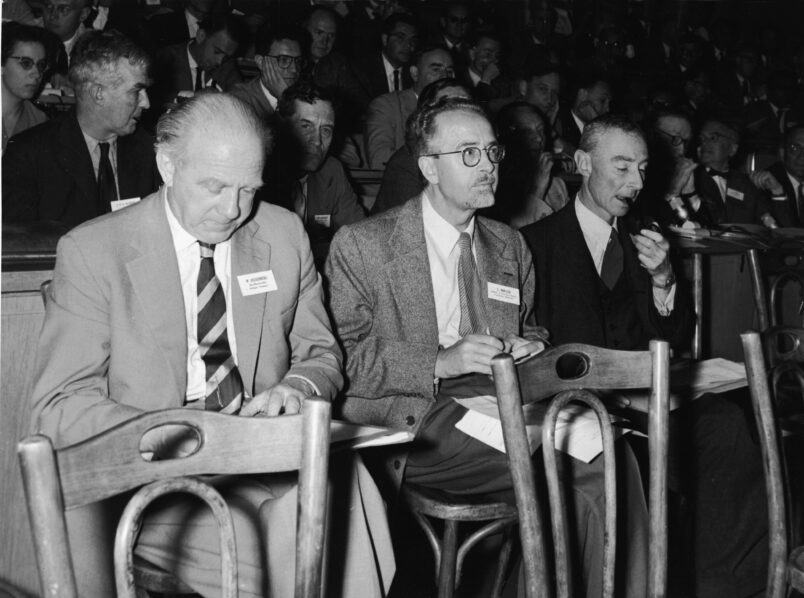
Oppenheimer and physicists
Hi, I’m Ken

Oppenheimer views the atomic explosion over Nagasaki

1963 Barbie

Physicists examine the new 184 inch atom-smashing cyclotron

Small clothes

Barbie at the library

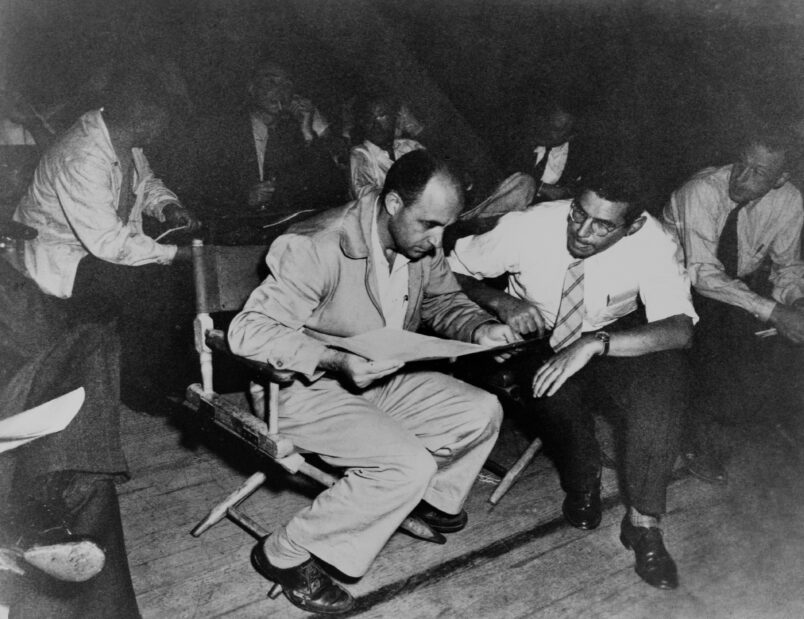
Enrico Fermi in front, Oppenheimer in back
Barbie and LEGOs stand the test of time

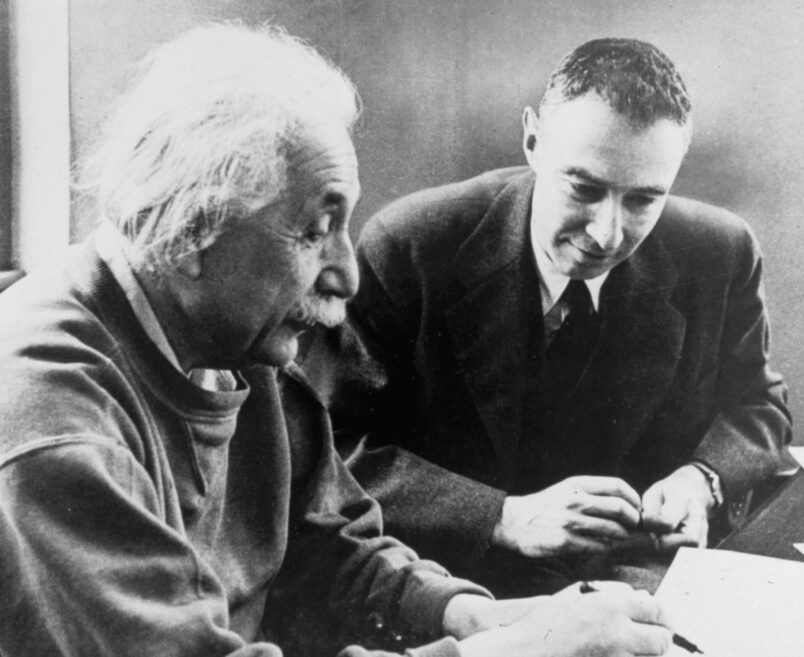
Einstein and Oppenheimer
Busy Barbie

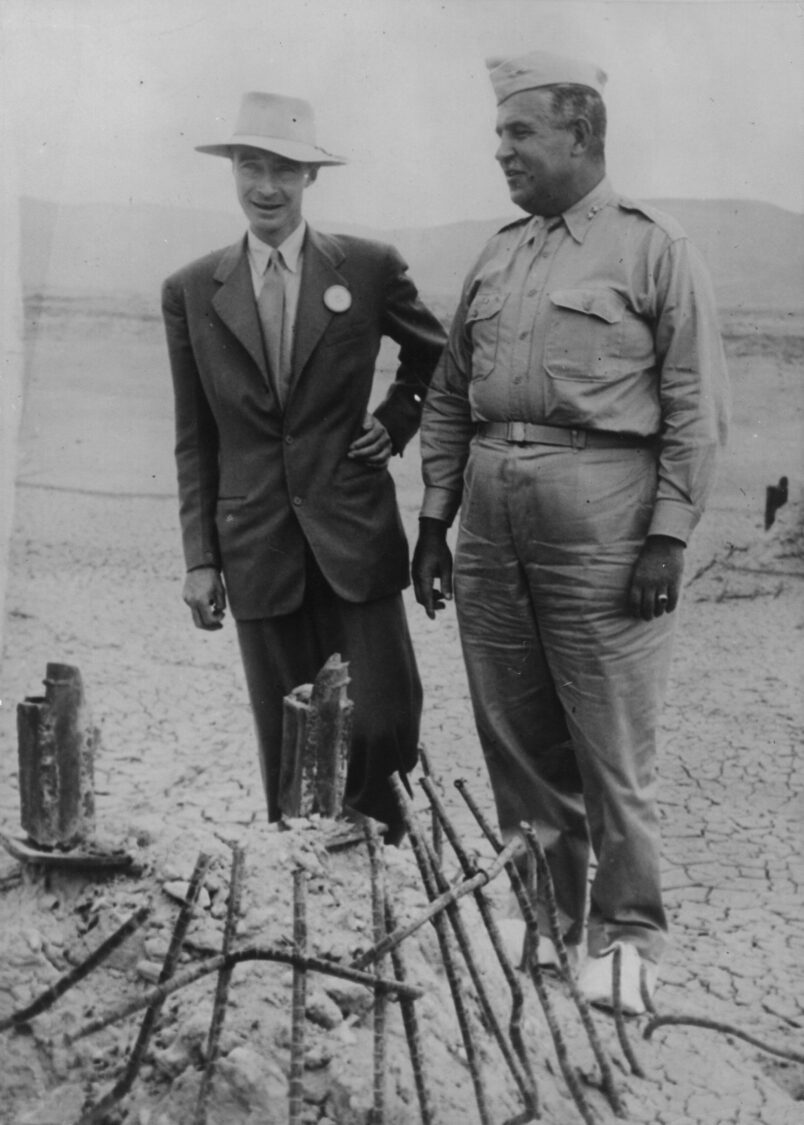
Oppenheimer examines test site
Barbie goes ice skating

Barbie plays tennis

Oppenheimer receives lifetime achievement award

Barbie dreamhouse

Barbie in a nightgown

Designer Barbie

John Paul Gaultier Barbie

Congress of nuclear physicists

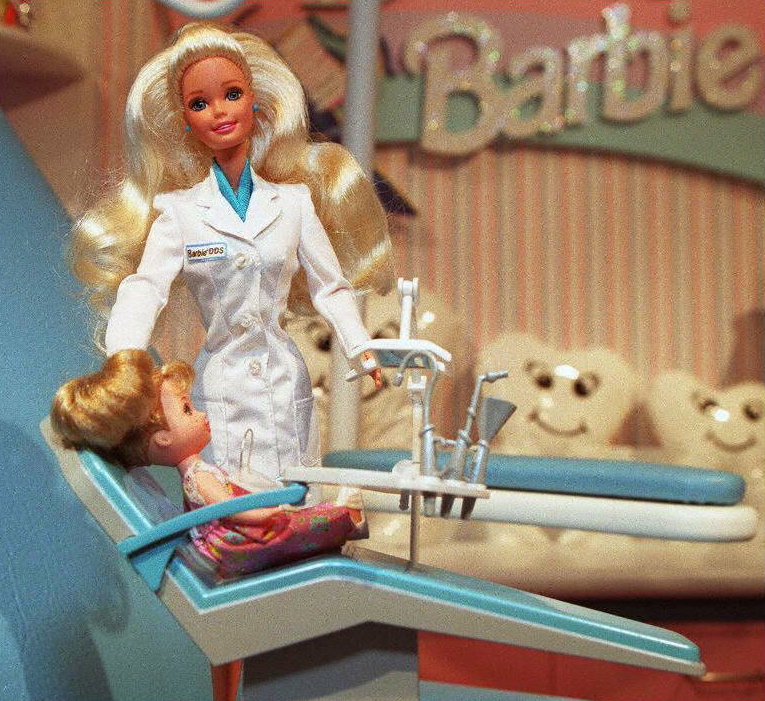
Dentist Barbie
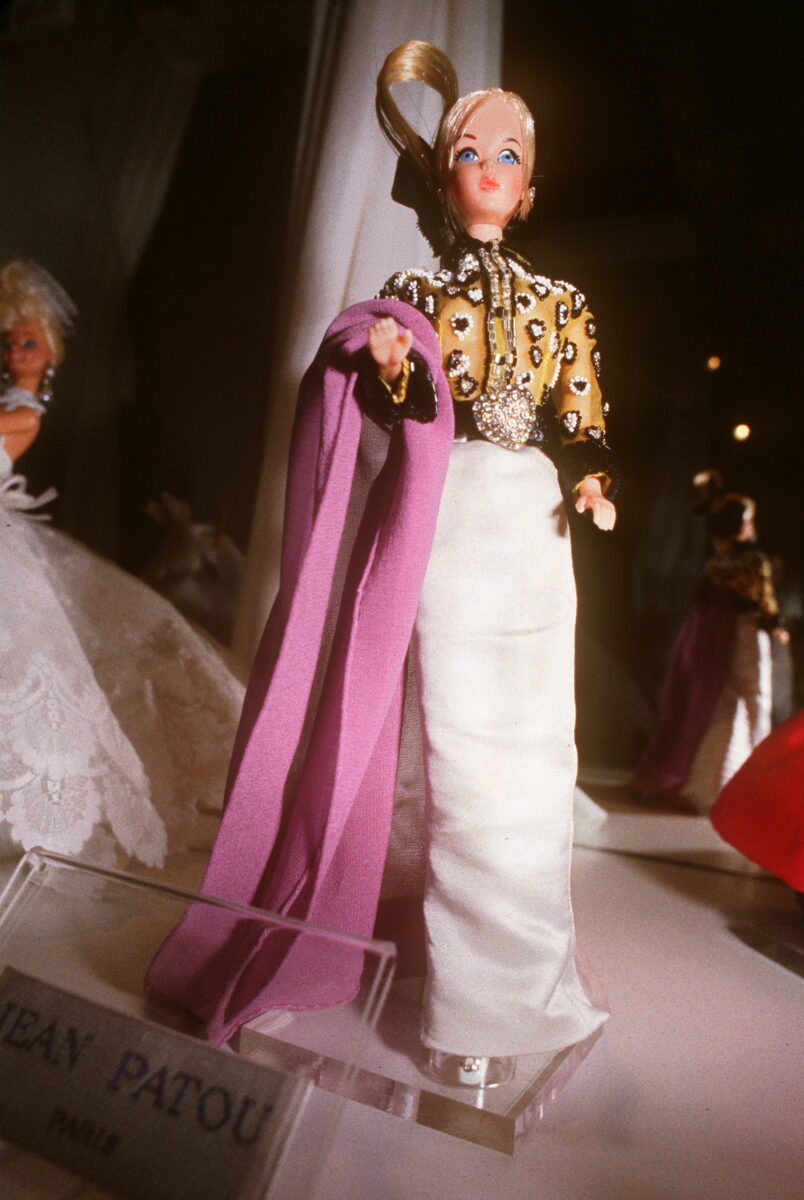
Jean Patou Barbie
Einstein, Oppenheimer and Margarita Konenkov — a Soviet spy

Herve Leger Barbie

J. Robert Oppenheimer and a colleague

Yves Saint-Laurent Barbie

‘Cross-Dressing Ken’
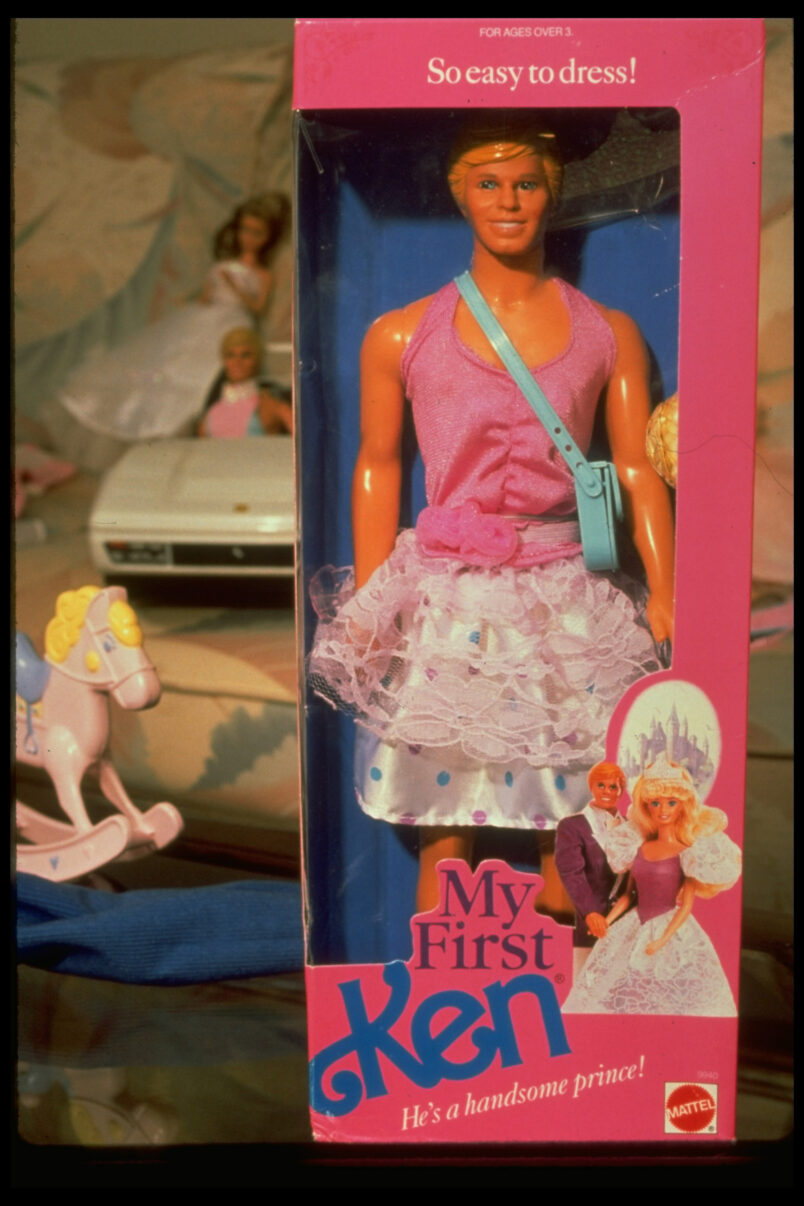
Limelight Barbie

Barbie & the Fiersteins

Laguna Beach Barbies

Oppenheimer and others

Mini Mes
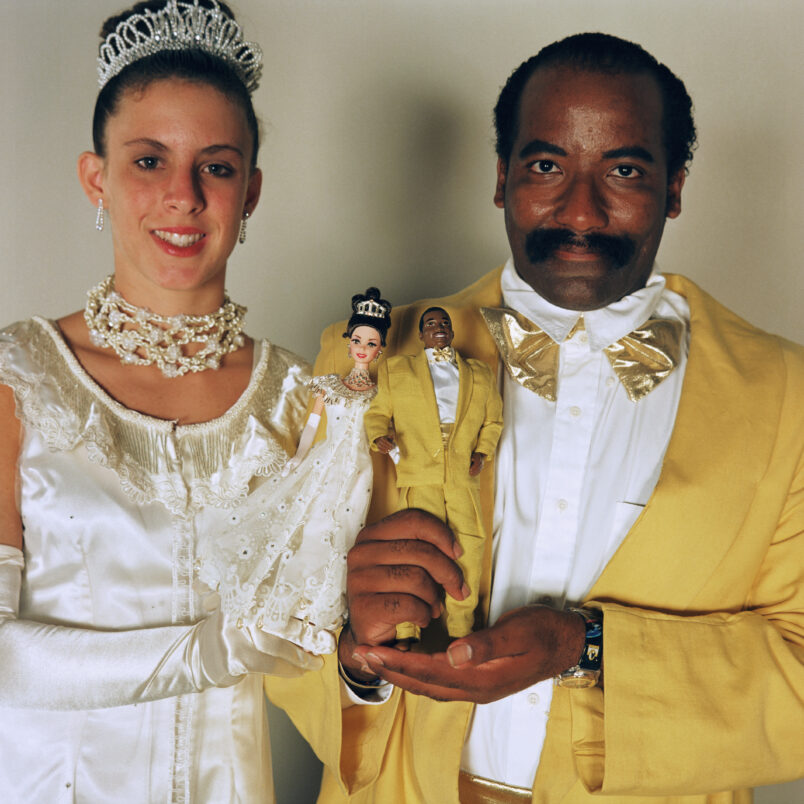
Twins

Christian Dior Barbie

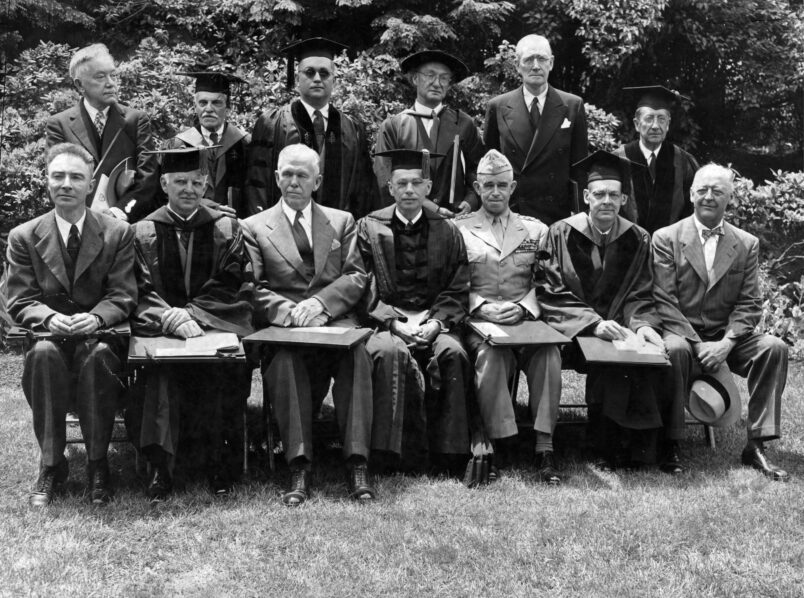
Honorary degree recipients pose at the 1947 Harvard University commencement
Alexandre Barbie

Paco Rabanne Barbie

A nuclear explosion

More Yves Saint Laurent Barbies

Spanish teacher Barbie

Cowgirl Barbie

Britney & Barbie

First thermonuclear explosion

Star Skater Barbie

Barbie’s Bank with Me ATM

American Sign Language Barbie

Barbie gets a computer

Spongebob and Barbie

Brittany Murphy with Barbie

Mila Kunis and Barbie

Glam Barbie

Barbie at the Museum

Models with Barbie

Real Life Barbie

Hot Rockin’ Fun Ken

Hot Rockin’ Fun Barbie

Perles de Tahiti Barbie

Barbie and accessories

‘Share a Smile Becky’

Cillian Murphy and Margot Robbie, aka, Oppenheimer and Barbie

Barbie Drives A Ferrari

Our Slow-Moving National Crisis Is Far From Over
A lot of things happened. Here are some of the things. This is TPM’s Morning Memo. Sign up for the email version.
Let’s Take A Step Back
Surveying the landscape of American politics 28 months after an attempted autocoup, what’s most striking is how little has changed. From a historical perspective, we remain at a fork in the road and it’s not clear which path we will take. The fate of the Republic, as grandiose and perhaps overstated as it may sound, still hangs in the balance.
In many respects, the attempted coup is not over. Most of the leaders of the insurrection remain at large. Many of them still serve in Congress. One of them is his party’s de facto nominee for president.
Radical Republicans are unchastened and unbowed. Just look at what they have in store in the coming days and weeks:
- A bogus impeachment of the sitting Democratic president with no evidence of wrongdoing.
- A government shutdown for the sake of doing damage to the constitutional order.
- Renominating for president the cultish figure of Donald Trump for the office he once lost and tried to retain by force.
Other forces are at work, it’s true. Criminal prosecutions of Donald Trump are pending in four jurisdictions. Three of the cases are directly related to his efforts to win election by cheat or by fraud. An effort to disqualify Trump from the ballot on constitutional grounds is ramping up across the country. Significant civil lawsuits are also pending against Trump, though their impact on the politics of Trump is more muted.
On any given day, the headlines and news coverage are fractured into dozens of separate developments and incremental nuggets of news that can obscure the larger battle that is still raging. Republicans are skilled at using the tropes of journalism to drive news coverage in their favor and use the incrementalist scoop-competition to push their favored conspiracies and smears.
It’s hard to keep you hair on fire about the existential threat to democracy for going on eight years now, since Trump entered the fray. But it’s harder still if you’ve allowed yourself to be lulled into the complacency of thinking the threat has passed, the battle has been won, the Republic has endured.
As this point, the Cold Civil War has lasted twice as long as the hot one did. Among armed conflicts, only Vietnam and the GWOT exceed its length. We can only hope that it doesn’t last for the decades the Cold War did.
‘You Don’t Know Anything About The Boxes’
The NYT has its own report on new evidence of Donald Trump obstructing justice in the Mar-a-Lago investigation, replicating a similar ABC News report.
Trump Lawsuit Against Hillary Clinton Shot Down Again
Trump lawyer Alina Habba, already sanctioned nearly $1 million by a federal judge for bringing a bogus lawsuit against Hillary Clinton on Donald Trump’s behalf, tried to get the same judge to revive the case based on the ridiculous proposition that the Durham report provided new evidence to support her claims. The judge shot that gambit down, too.
Hunter Biden To Plead Not Guilty
Hunter Biden attorney Abbe Lowell told the judge in his case that Biden will be pleading not guilty to the federal gun charges against him. It came up in a letter Lowell sent asking that Biden’s initial appearance be conducted by video conference. Notably, the government is opposed to this request. It’s unclear why.
Get Ready For A Circus
Attorney General Merrick Garland is scheduled to testify today in front of Rep. Jim Jordan’s Judiciary Committee.
McCarthy Is Flailing To Avoid A Gov’t Shutdown
The best thing to read on where things sit in Congress roughly 10 days before government funding runs out comes via TPM’s Kate Riga and Emine Yücel, but let me give you a flavor of the overall coverage of Speaker McCarthy’s tenuous grasp on power:
- WSJ: Kevin McCarthy Hits New Hurdles With Holdout Republicans
- WaPo: House flounders as GOP fails to appease hard-right members on funding
- NYT: Right-Wing House Republicans Derail Pentagon G.O.P. Bill, Rebuking McCarthy
It’s Not Just About Elon Musk’s Glass House
The WSJ is reporting that federal criminal investigators are looking at an array of personal benefits Elon Musk may have received from Tesla since 2017.
The investigation is being led by the U.S. attorney’s office in the Southern District of New York, and a grand jury seems to be involved, suggesting a full-blown criminal investigation.
The WSJ had previously reported on an investigation into a planned glass house for Musk near Tesla’s Austin factory, but the probe appears to be broader than that one aborted project.
MUST READ
I dole out “must read” status sparingly, but this story about Elon Musk, the murder of a retired police chief, and a Las Vegas newspaper reporter absolutely 100% qualifies.
Former Congressman Sentenced To 22 Months In Prison
Former Rep. Steve Buyer (R-IN) was slapped with a 22-month federal prison sentence and ordered to forfeit $354,027 in ill-gotten gains for his conviction on insider trading charges. Buyer served in the House from 1993-2011.
Big Deal
Pennsylvania is launching automatic voter registration. Greg Sargent explains the significance.
Trump Judge Bashes Texas Book-Banning Law
A Trump-appointed federal judge in Texas this week blasted the state’s new law banning some books from public school libraries and blocked its enforcement, while ripping into the defense put on by the state.
For The Record
NARAL Pro-Choice America is now Reproductive Freedom for All.
Thanks For The Feedback!
A couple of Morning Memos ago, I asked for feedback from Eastern time zone denizens on when ideally Morning Memo would publish each day. More than 100 of you took the time to write in. The feedback on timing felt secondary to the kindness so many of you exhibited, urging me not to overdo it, to keep a good work-life balance, and not to sacrifice quality in service of an arbitrary deadline. I appreciate the consideration! But I’m especially grateful for how many of you described making Morning Memo a part of your daily routine. I promise you’ll keep getting your Morning Memo fix, perhaps a little earlier in the coming weeks. Thanks much!
Do you like Morning Memo? Let us know!
In Which Josh Returns to the Prez Ticket Switcheroo Grindstone
Don’t worry. I’ve made my points about Biden and Harris not getting dropped from the 2024 ticket. Here I just want to address a few responses from readers that I found notable. TPM Reader JA argues not so much that I’m wrong on the merits but that I’m suggesting that there are some kind of “forces” or laws that govern presidential tickets. On the contrary, each presidency is unique and needs to be taken on its own internal dynamics, says JA. JA doesn’t say this directly but one of the best rejoinders to any discussion like this is that we simply have too small a sample set, whenever we’re talking about presidential politics, to make categorical judgments or statements.
Continue reading “In Which Josh Returns to the Prez Ticket Switcheroo Grindstone”National Hispanic Heritage Month in Pictures
National Hispanic Heritage Month is celebrated annually from Sept. 15th through October 15th and recognizes the history and culture of Hispanic Americans. The dates were originally chosen in remembrance of the start of the Mexican War of Independence, which began early Sept 16th, 1810. A number of central and South American countries celebrate the anniversary of their independence during this period including Costa Rica, El Salvador, Guatemala, Honduras, and Nicaragua on September 15th; Mexico on September 16th; and Chile on Sept. 18th.
Carlos Santana

John Ruiz

Nancy Lopez

Rita Moreno

Rita Hayworth

Desi Arnaz

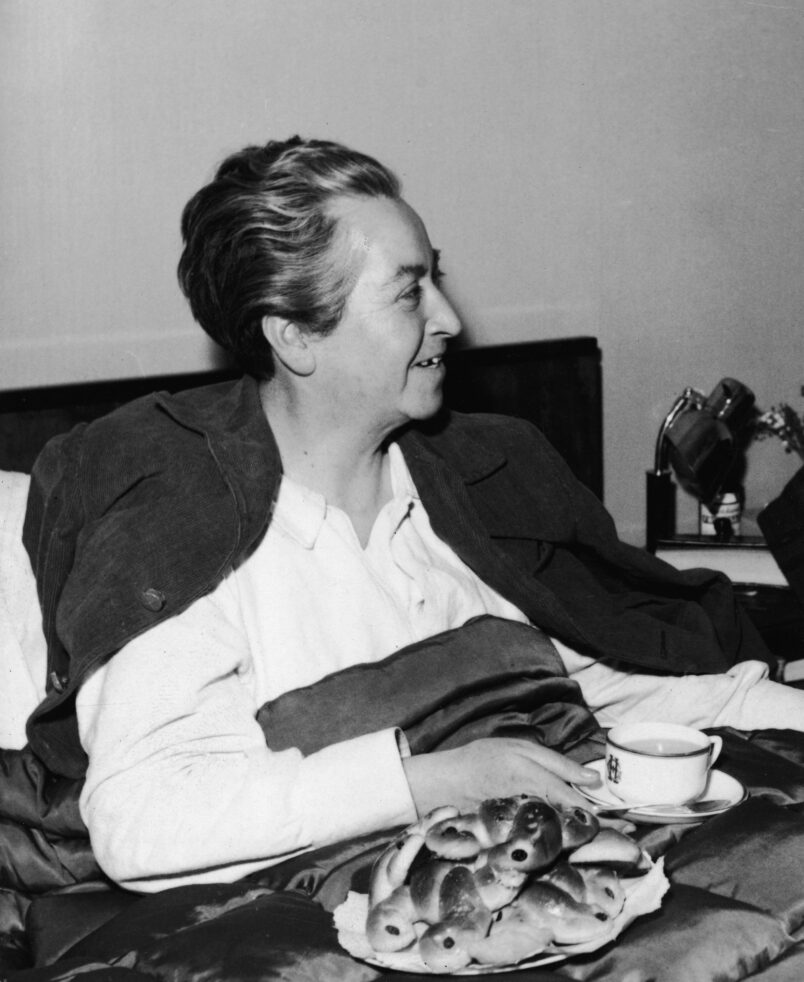
Gabriela Mistral
Pancho Gonzales

Anthony Quinn

Ricky Martin

Anita Page

Edward Hidalgo

Elizabeth Vargas

Scott Gomez

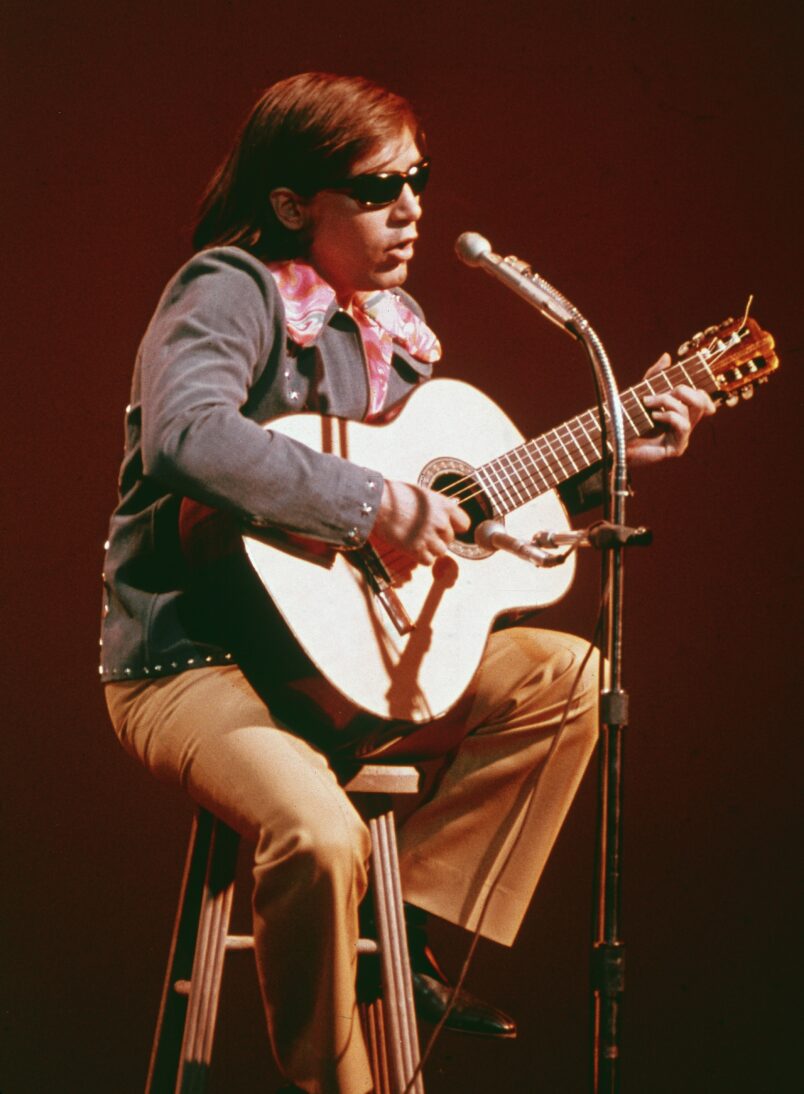
Jose Feliciano
Ritchie Valens

Charo

Gloria Estefan

Tom Fears

Eddie Palmieri

Tito Puente

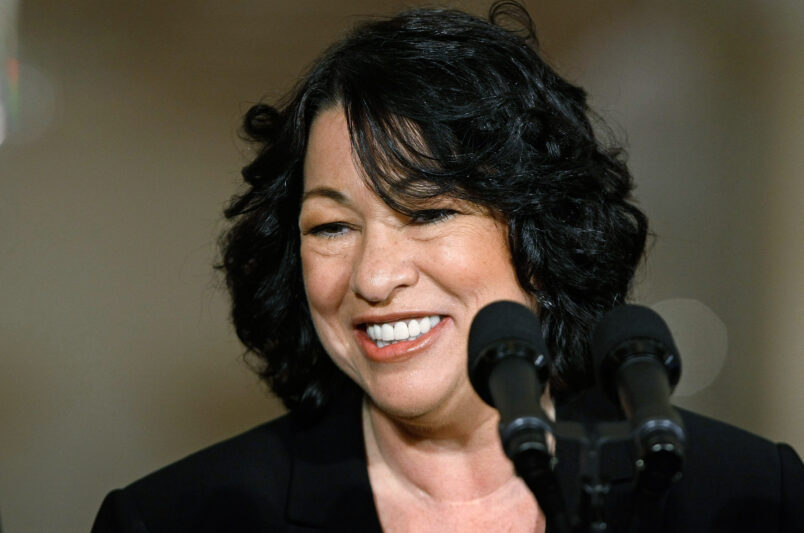
Sonia Sotomayor
Cesar Chavez

Anthony Romero
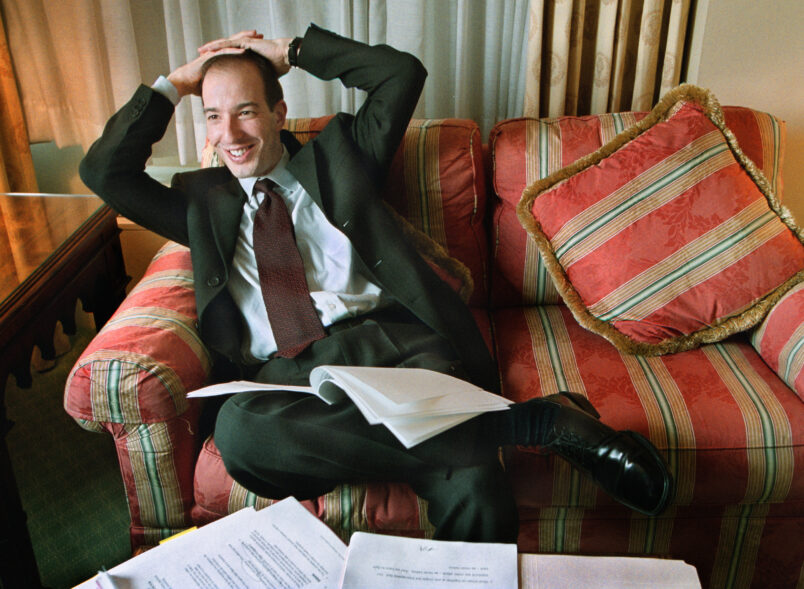
Nilo Cruz
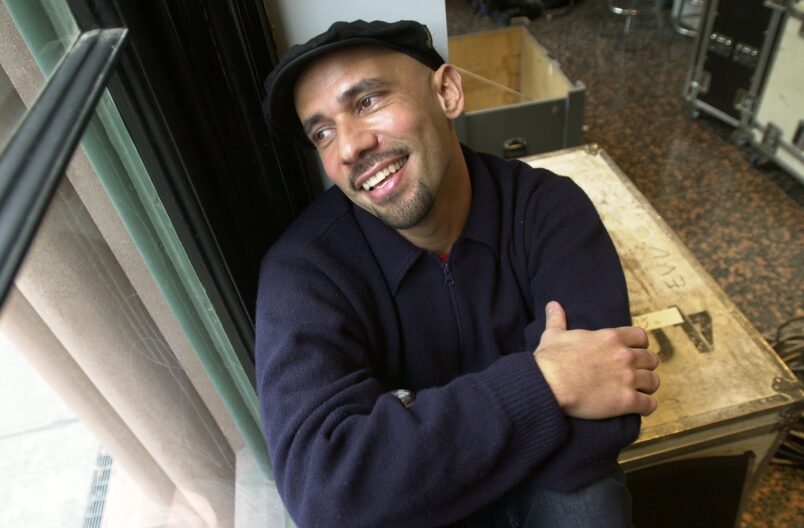
Oscar Hijuelos

Christina Aguilera

Sylvia Mendez

Danny Trejo
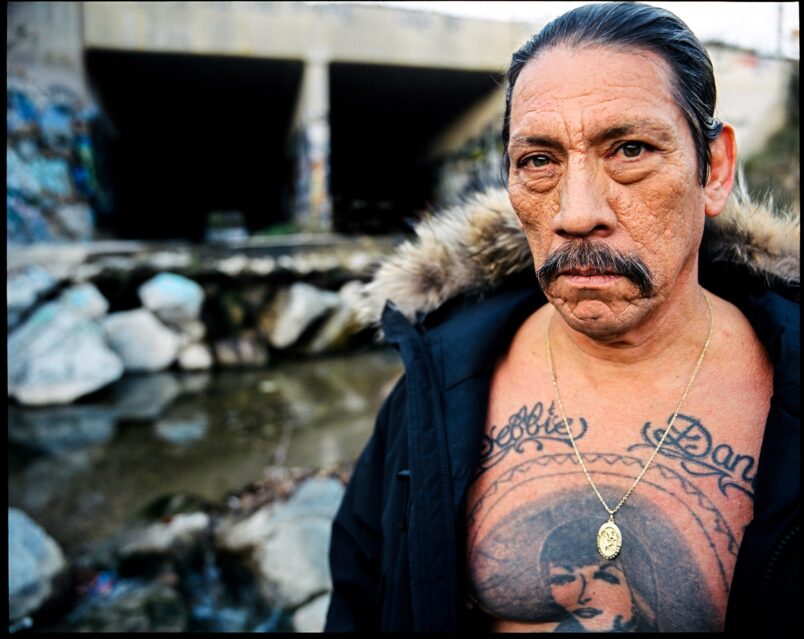
Isabel Allende

Anais Nin

Adolfo Luque

Oscar De La Renta

Richard Serra

Raquel Welch

Linda Alvarado

Joseph M. Montoya
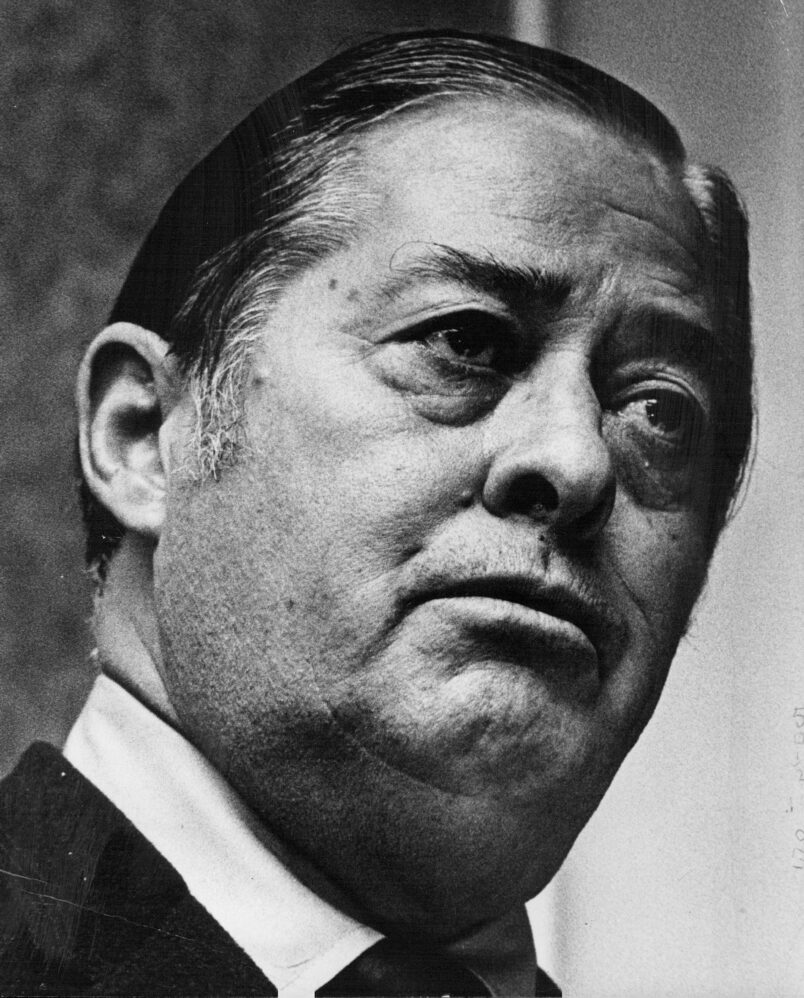
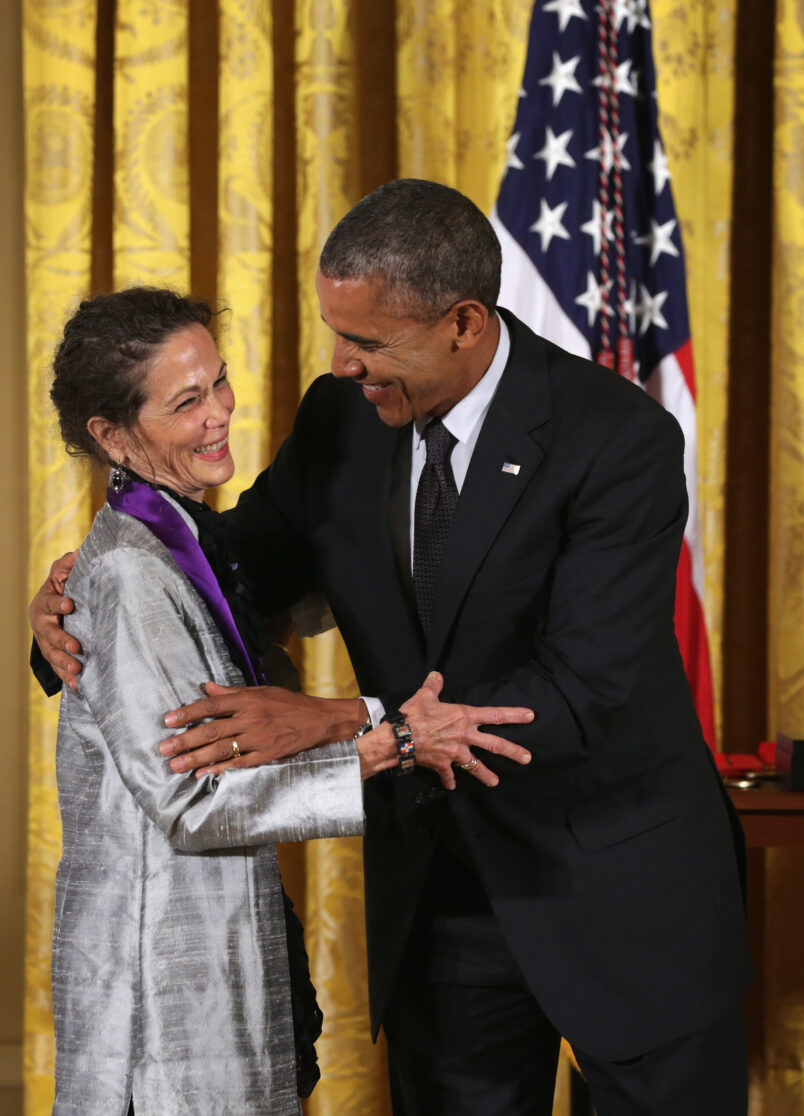
Julia Alvarez
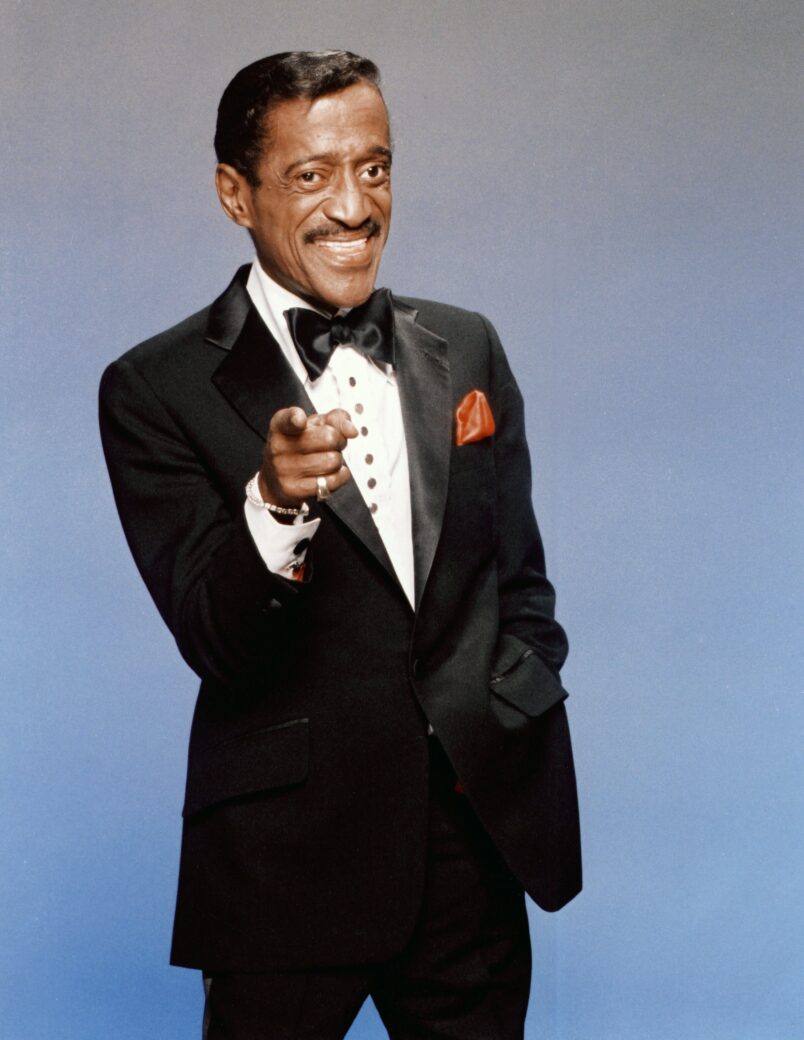
Sammy Davis Jr
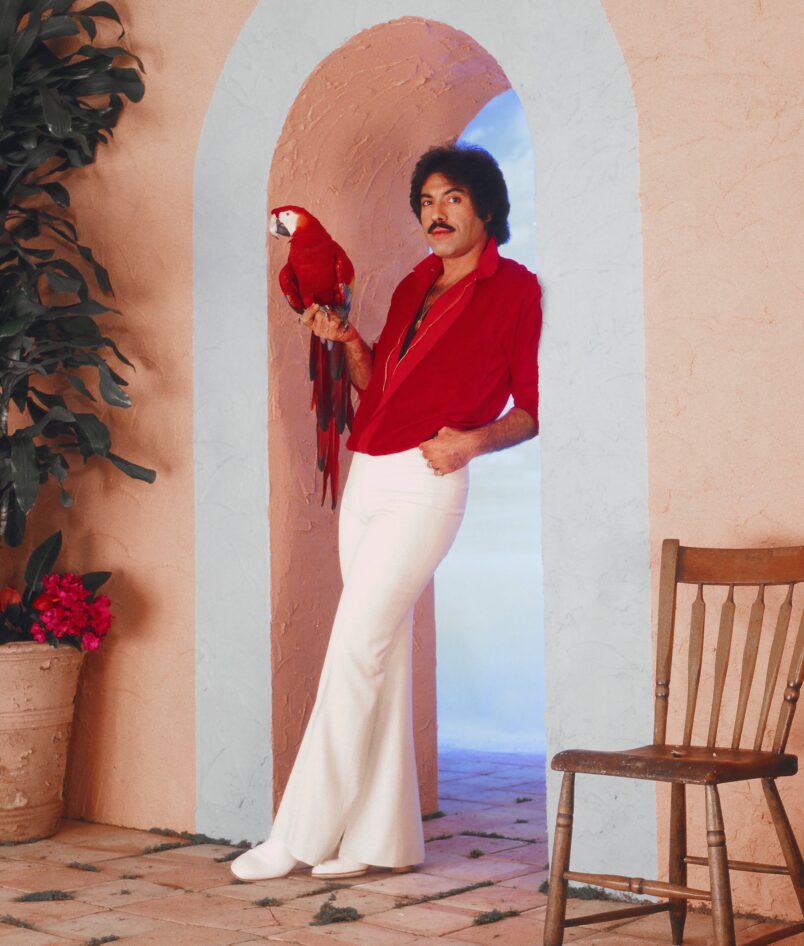
Tony Orlando
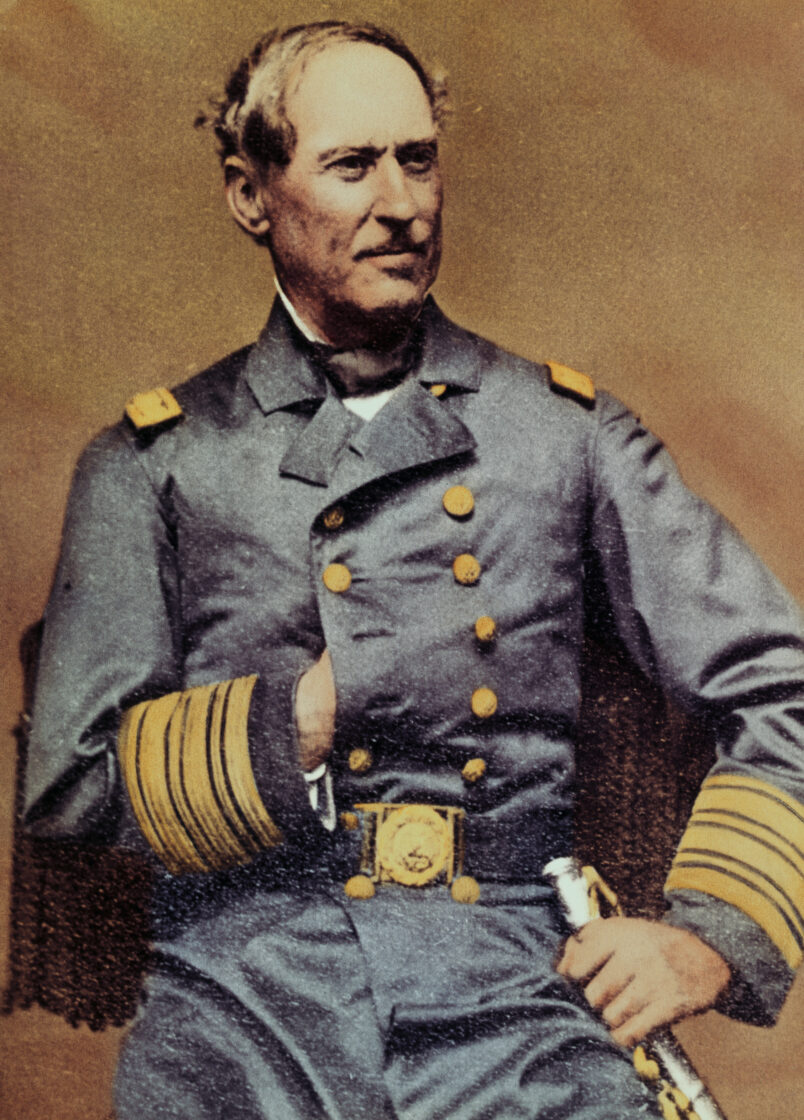
David Glasgow Farragut
Roberto Clemente

Rosie Casals

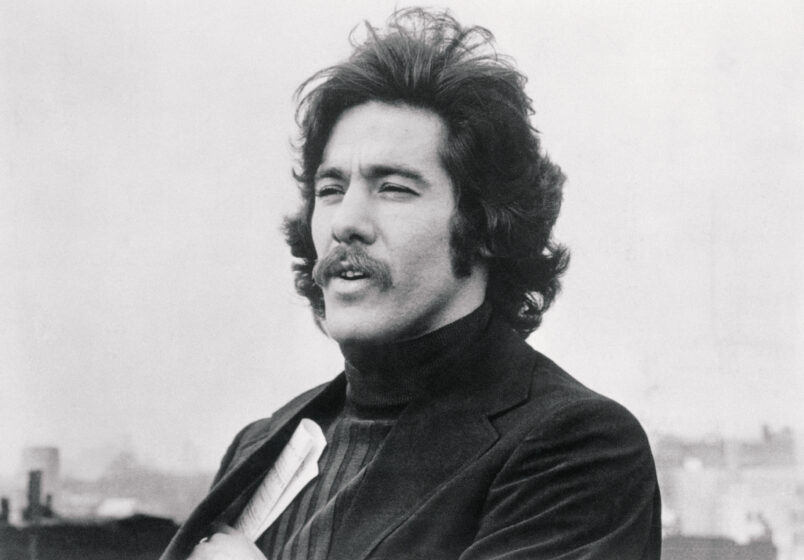
Geraldo Rivera
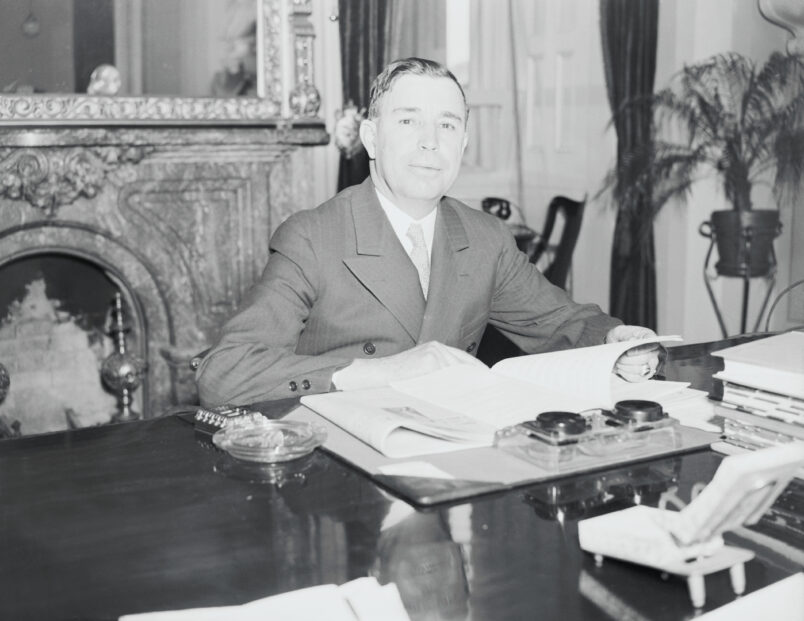
Dennis Chavez
Soledad C Chacon

Willie Colon

Dr. Severo Ochoa

Luis Alvarez

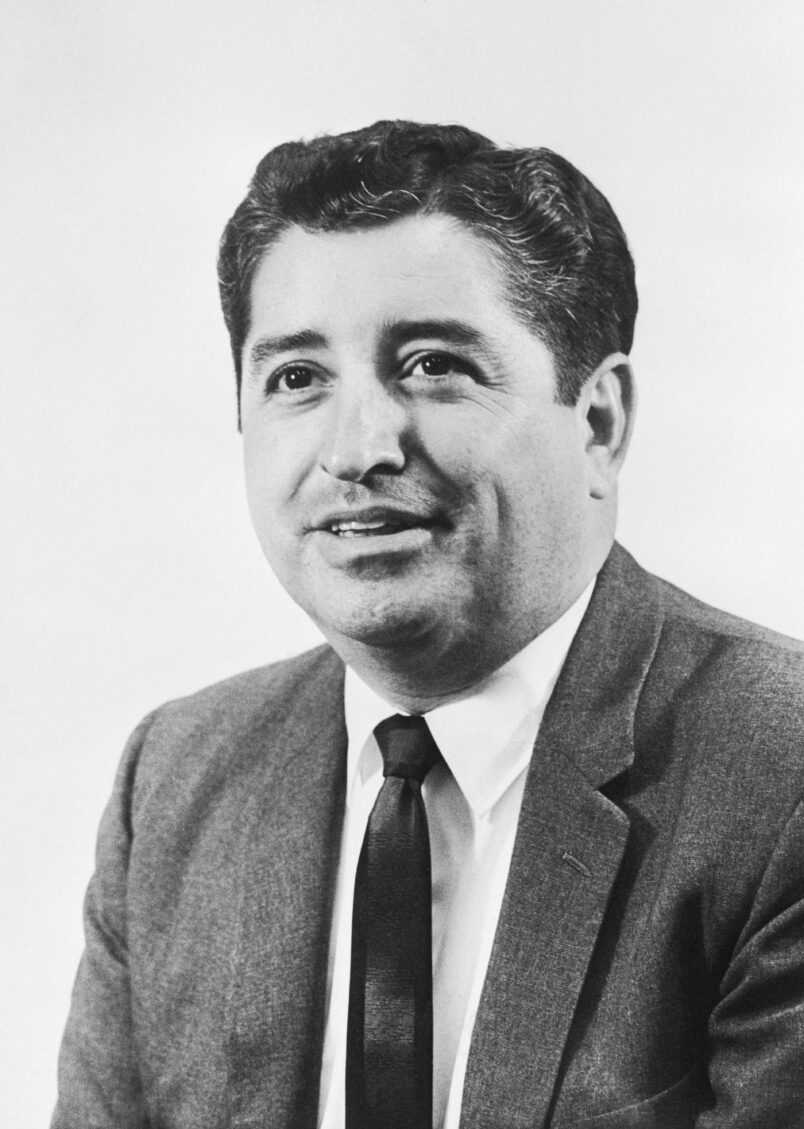
Ruben Salazar
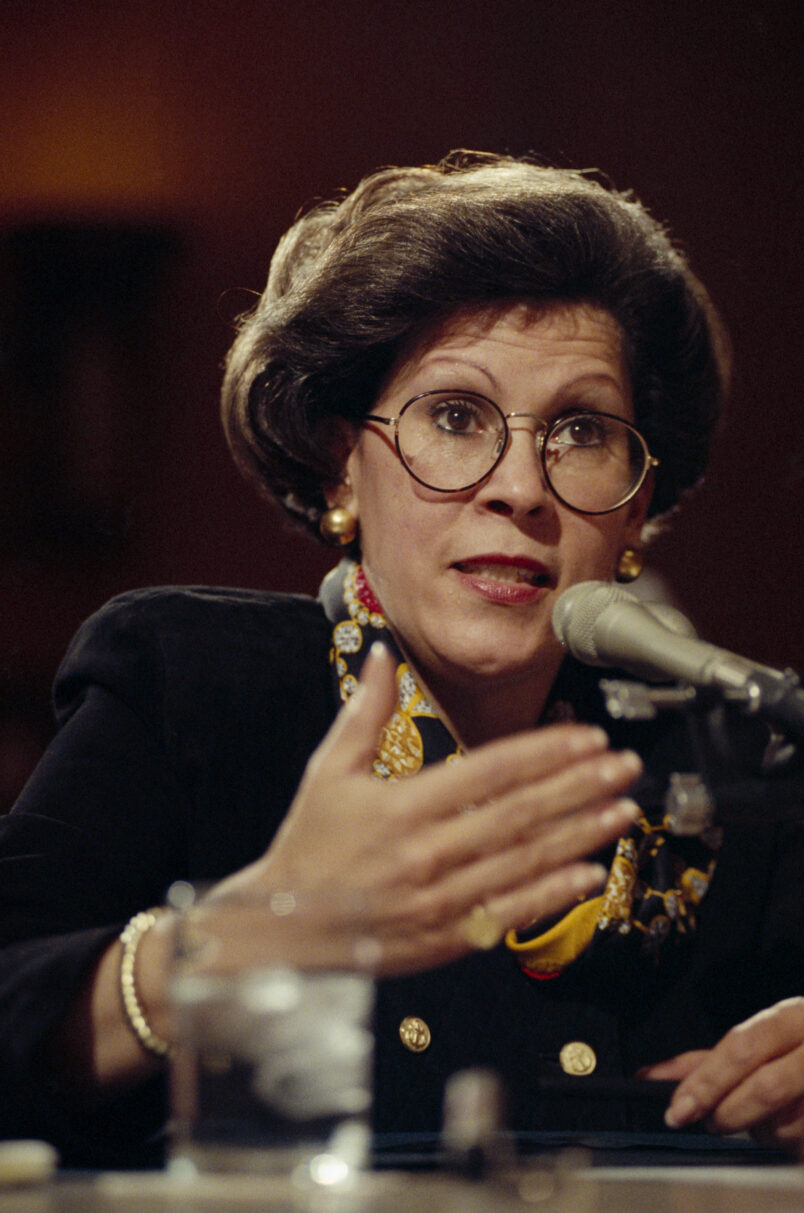
Dr. Antonia Novello
Jim Plunkett

Oscar Acosta
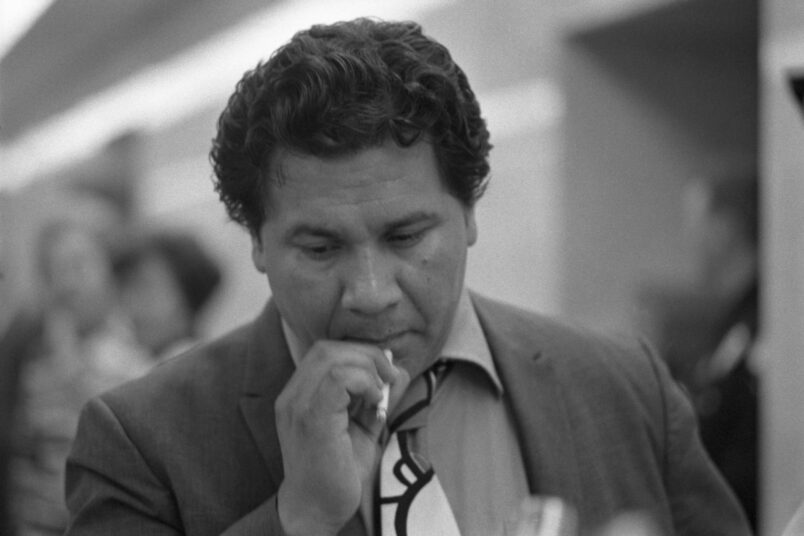
Lucrezia Bori

Luis Aparicio

Frank Lorenzo

Mario Molina

Mercedes de Acosta

Joan Baez

Robert Rodriguez

Dolores del Rio

Judith Baca

George Romero

Chita Rivera

Salma Hayak

Jennifer Lopez

Jose Ferrer
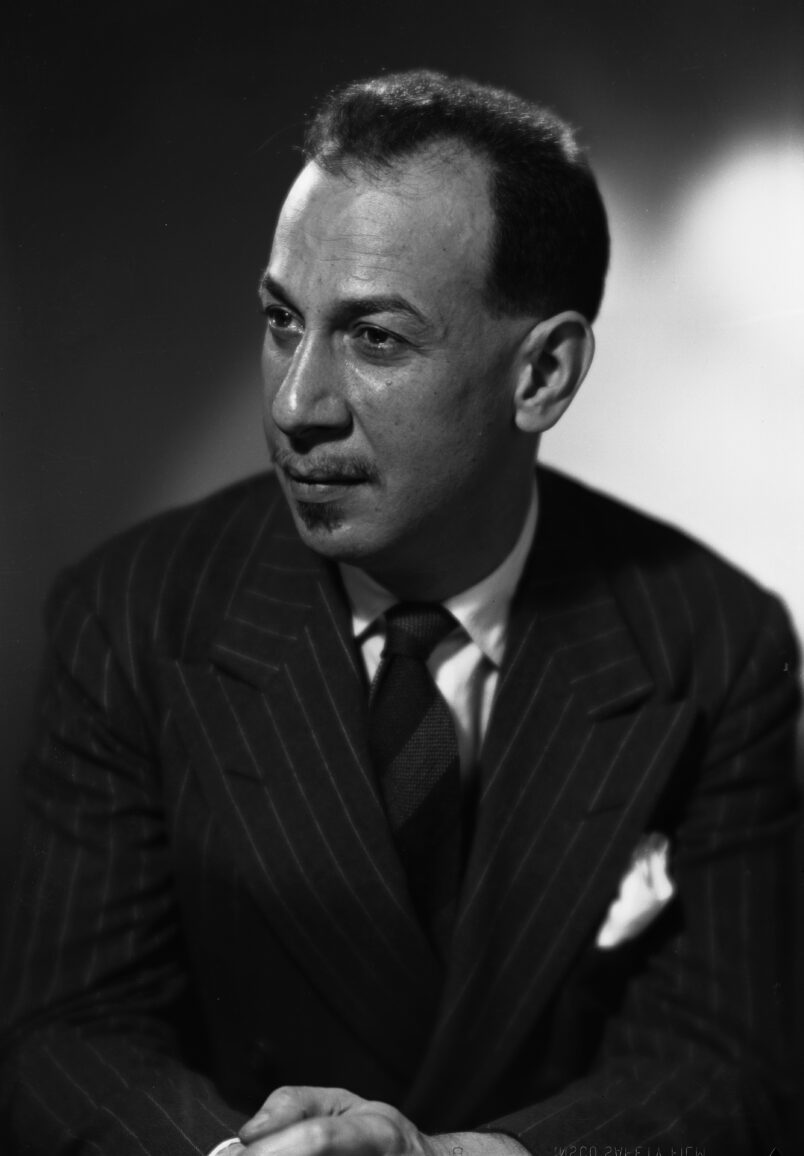
Ellen Ochoa

Tom Flores

Rep. Ileana Ros-Lehtinen

Lewis H Brereton

Cristina Sanz

Julio Iglesias
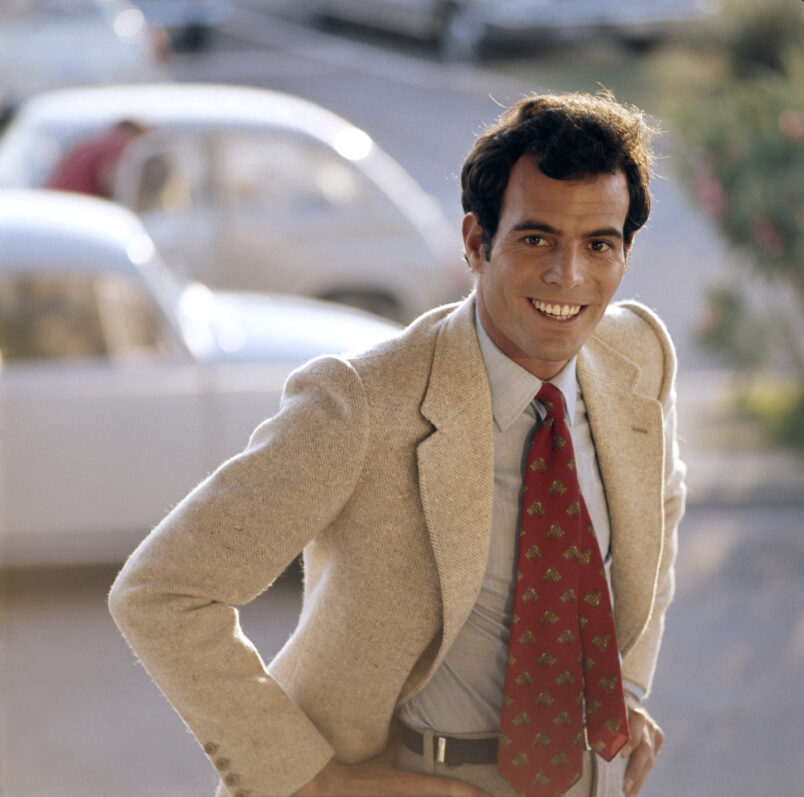
Anthony Munoz
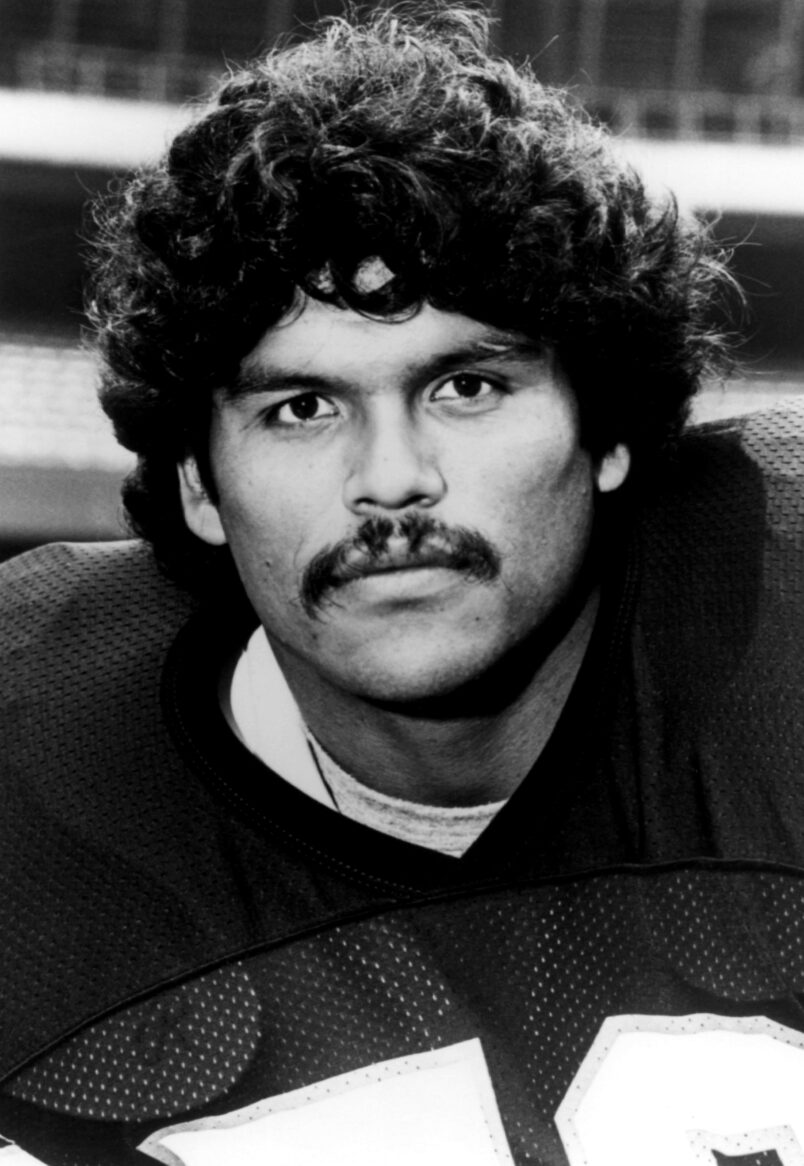
Martin Sheen

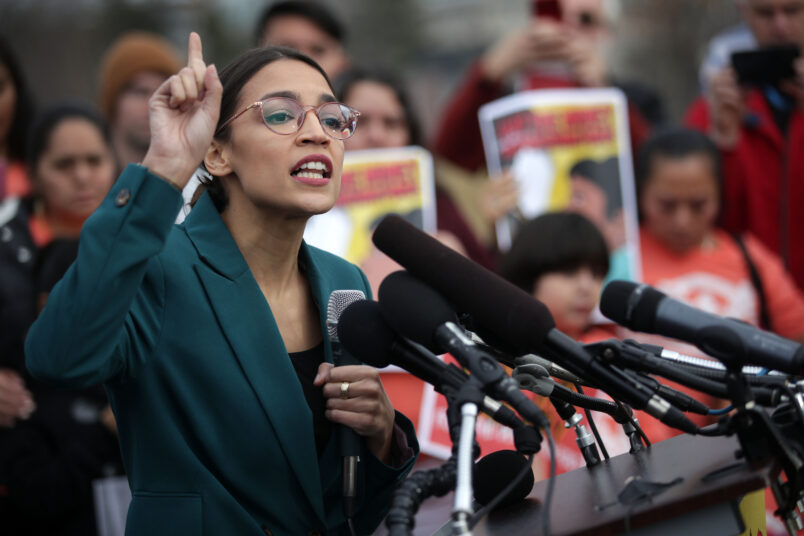
Alexandria Ocasio-Cortez
Dolores Huerta

Rosie Perez

Adelina ‘Nina’ Otero-Warren

Acosta Banuelos

Sylvia Rivera