


Don’t miss this piece on a surge in cardiac episodes tied to COVID19 and how cardiologists have been forced to adapt.
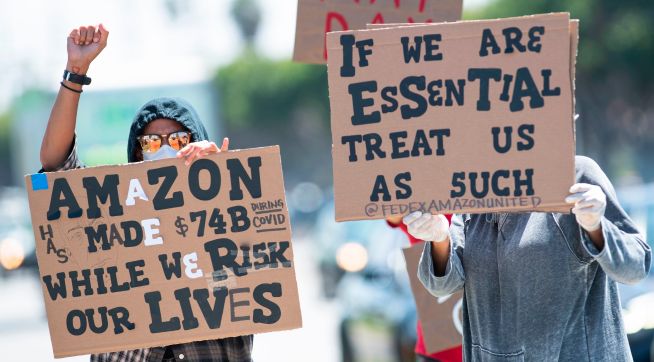
International Workers’ Day, or May Day, comes on the heels of one of the worst periods for workers in quite some time. In the last six weeks, more than 30 million Americans filed for unemployment. At the same time, the S&P 500 gained more than 12 percent and recorded its best month since 1987.
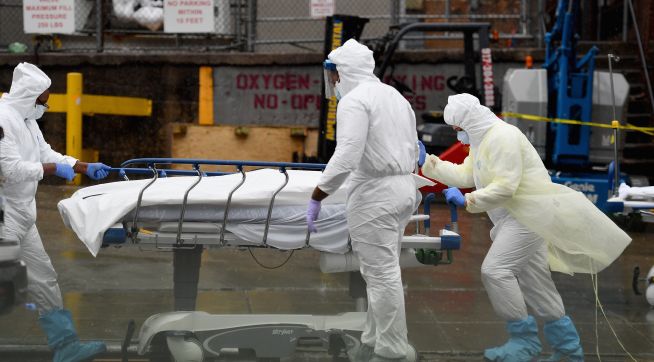
How deadly is COVID19? The question has mobilized countless researchers, become a political football around the globe and probably occurred to and triggered fear in the minds of most members of the human species. The question can be posed in various ways. But the closest to what people likely mean by it is what epidemiologists call an ‘IFR’, an infection mortality rate. That is to say, the percentage of people who will die from COVID19 after being infected by it. That’s different from the number of ‘cases’ since some infections never show symptoms and many never get recorded in any medical or governmental dataset.
The epidemic in New York City allows us to make initial calculations which, though imperfect, move us toward a real estimate as opposed to inferences, history and guesswork. For each variable in the formula we have an actual number based in science and quality record keeping, even if each is subject to substantial uncertainty and revision.
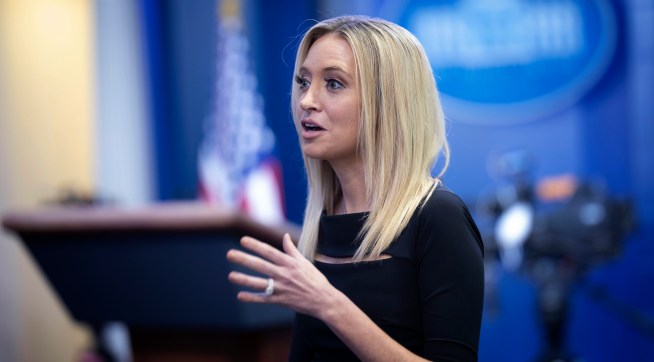
After her predecessor rounded out her tenure as White House press secretary without holding a single press briefing, Kayleigh McEnany will hold one of those now-rare Q&A’s with reporters from the White House podium today. Read More

As a non-expert I’ve struggled over the last week or so to make sense of the status of the pandemic in the United States, but overnight a top expert laid things out in as clear a way as I’ve seen in a while. You probably know Jeremy Konyndyk as a disaster preparedness expert who served in the Obama administration and has since become a prominent voice on the U.S. COVID-19 response.
His rundown of why things aren’t getting dramatically worse but also aren’t getting any better helps pull together the various contributing factors to the brutal daily death toll at which we seem to have plateaued. By his own admission, it is not an optimistic assessment.
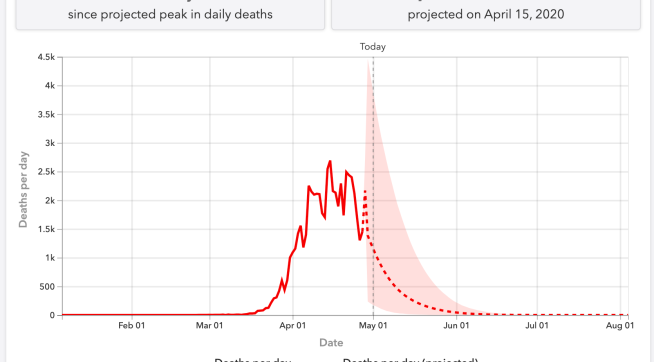
There is a common aphorism in the world of statistics: ‘All models are wrong but some are useful.’ It captures an important point: Models aren’t predictions as a psychic might make so much as attempts to organize data and think critically about uncertainty. The COVID19 model out of the Institute for Health Metrics and Evaluation at the University of Washington has become something of a canonical model for the COVID19 epidemic in the United States, in part because it appears to have been adopted by the White House task force. I wanted to take a moment to look at just how far out of line it has become even with current data.
The models estimates have bounced around a fair amount. It started high, jumped back considerably and has crept back up since. This isn’t a sign of a problem in itself. It is an attempt to model the course of a disease that didn’t exist six months ago. As we proceed it is supplemented with new data.
But consider these numbers. The latest estimate, released on April 29th projected 72,433 cumulative deaths through August 4th – a range from 59,343 to 114,228. But as of this morning the Johns Hopkins University data tracker shows that 63,019 people have already died. And if we look at the data compiled by the COVID Tracking Project 13,252 of those have died (or at least been reported) in the last seven days.

This is a tweet from Xinhua News Service, the official state news service of the People’s Republic of China. Give it a look and then a few thoughts after the jump.
this is amazing on many levels https://t.co/tpKnPTAWeo
— Josh Marshall (@joshtpm) April 30, 2020

Three different outlets published their own version of the same story: President Trump is not happy with his campaign manager Brad Parscale.
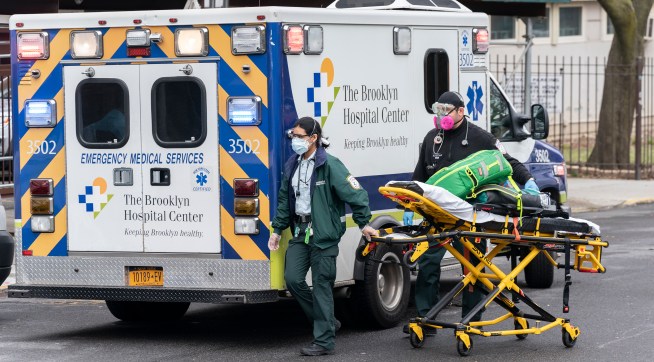
Over the last week to ten days a wealth of new information has come to light about ‘excess mortality’ in the COVID19 Crisis. My last major installment in this series was back on April 15th when I pulled together preliminary data from a number of countries in Europe and compared them to the emerging data from New York City. As we discussed back in March, the basic formula is the same everywhere: collect data on average mortality in recent years, compare it to the total number of deaths over the same calendar dates this year and then subtract the official COVID19 death toll numbers from that “excess” amount. You are left with an approximate number which captures the true mortality levels, the true number of people who died, because of the COVID19 Crisis and the difference between the ‘true’ number and the official numbers we’ve grappled with in recent weeks.
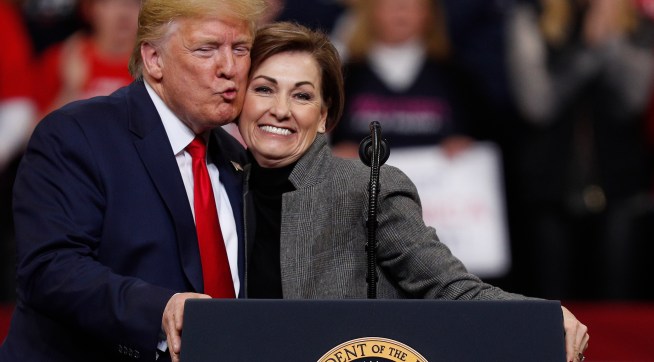
Risk your health to return to work or lose your unemployment benefits.