We’re most of the way through election day in Israel. The only thing we can say with certainty is that in the morning voter turnout was the highest it had been since 1973 And now, coming into dinner time, it is the highest in all Israeli history. But we can’t really read anything clear into this: this is high stakes election for all the players. While I’d like to think it’s driven by a rejection of Netanyahu (and it could be), there’s no reason to think – based on this data point – that high turnout favors one side over another. As I noted earlier, the bulk of evidence suggests that Netanyahu’s bloc will come in “behind”. But that’s not really what matters. The question is whether the opposition bloc, if it gets more seats, can find a way to cobble together a coalition. That remains very uncertain. If no government can be formed, Netanyahu remains caretaker PM while another election is called.
Editors’ Blog
So here we are. One week out. Are you ready? Drop me a line at our comments email address – talk (at) talkingpointsmemo dot com and let me know what you’re thinking.
DOJ to send election monitors to six Democratic counties in Georgia.
The U.S. Department of Justice has notified several Georgia counties it intends to station monitors there on Election Day.
Bibb, Cobb, Chatham, DeKalb, Fulton and Gwinnett counties have received notifications from the Justice Department. Each of those counties has produced solid wins for Democrats in recent elections.
The Justice Department routinely sends election monitors to polling locations to ensure compliance with laws and that voters’ rights are protected. But given the Trump administration’s actions to assert more federal control over elections and investigate the president’s 2020 election grievances, the notices have raised concerns among Democrats and some election officials about what the monitors might try to do in November.
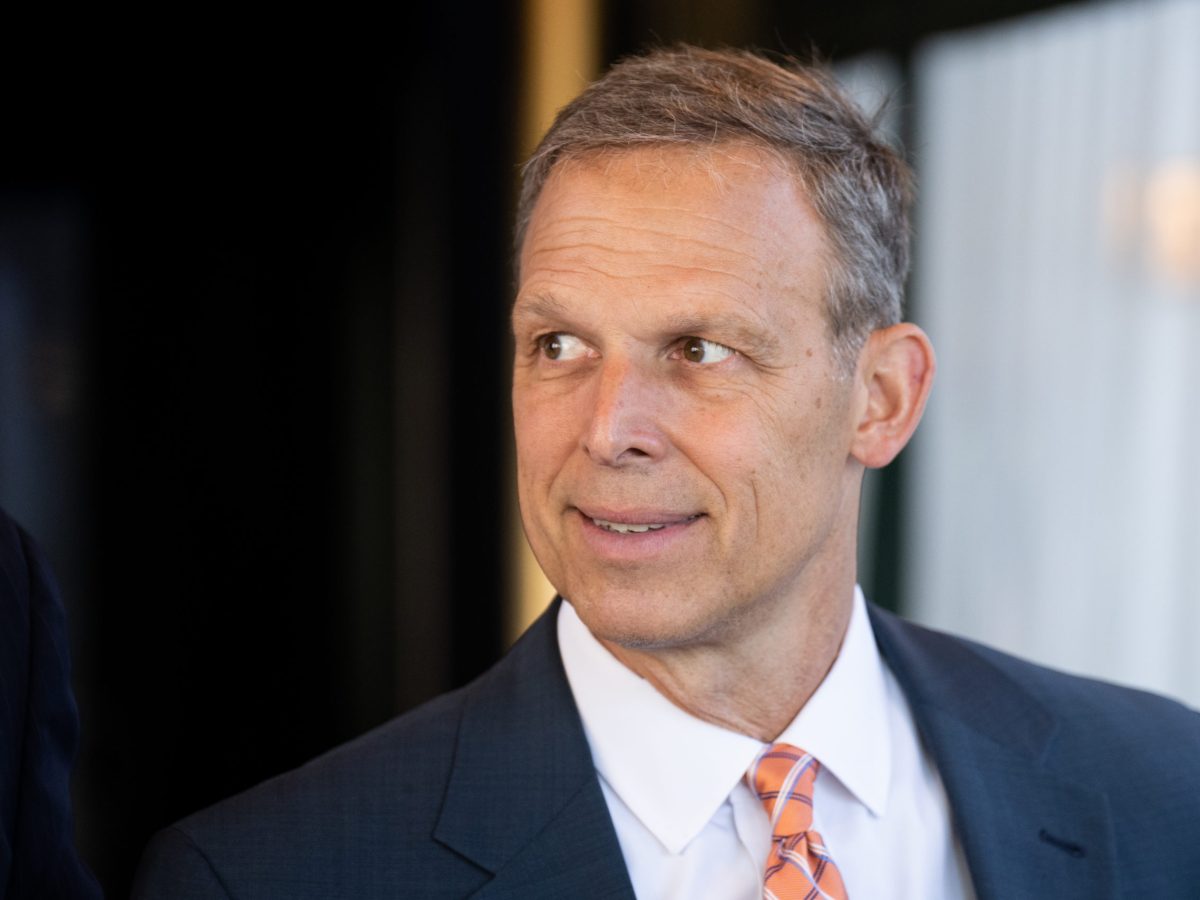
Every campaign season, especially ones as intense as this one, will churn up stories that aren’t so much about lying or scandal or low-rent tactics as they are simply some mix of desperate, weird and hilarious. The one I’m about to share manages to be all of those but mainly just hilarious and weird. Let’s go to Pennsylvania’s 10th congressional district, where longtime Freedom Caucuser and election denier Rep. Scott Perry (R) appears to be in the race of his life. Members of the Freedom Caucus, as you’d expect, are usually from very, very red districts where you can indulge the Freedom Caucus lifestyle with few electoral repercussions. But that’s never really been the case with Perry. Cook Report says it’s an R+3 district and Perry beat Janelle Stelson, a former local news broadcaster, by only 5,000 votes in 2024, hardly a strong Democratic year.
Stelson is challenging Perry again this year and now most polls show him running behind.
So he has a new campaign attack: Stelson walks around naked!
Earlier this month I wrote a piece entitled Friends Don’t Let Friends Watch the Early Vote. I wanted to re-up that recommendation, notwithstanding the fact that I have kept an eye on these findings, as I always do. The simple fact is that all of these efforts amount to figuring out how big a share of the pie you have before you know how big the pie is. That doesn’t mean you can’t glean anything by analyzing these things or that the knowledgable people doing it are silly or mendacious. They’re not. It’s just that you can’t draw any firm conclusions from it and our desire to see what we want in these entrails greatly outweighs the hints we can get from them. As I noted before, this is especially the case because the partisan dynamics of who votes early, in person, by mail, on Election Day, etc., is in so much flux.
There are lots of arguments about “prediction markets.” Some of the most important are about the opportunities they create for corruption and the general social ills tied to what is essentially gambling. But the one that perpetually puts a bee in my bonnet is the frequently-advanced idea that prediction markets are superior to polls as predictors of election outcomes. I was reminded of this by the upset Lula win in yesterday’s Brazilian presidential election. Kalshi had candidate Flávio Bolsonaro with 76% odds of winning until the first returns came in and he lost. Obviously, polls and every other kind of prognostication have misses too. Those don’t discredit the whole enterprise. The problem with the argument about prediction markets and polls is both empirical and logical. Empirically they do not appear to be better. But the comparison is difficult if not impossible since polls don’t generate odds or probabilities. They approximate current levels of support. It’s easy to look fast and think those two things are the same. But they’re not. Logically, prediction markets cannot be “better” than polls since they are mostly derivative of polls; they are overwhelmingly reliant on polls.
Something went wrong. Please refresh the page and/or try again.
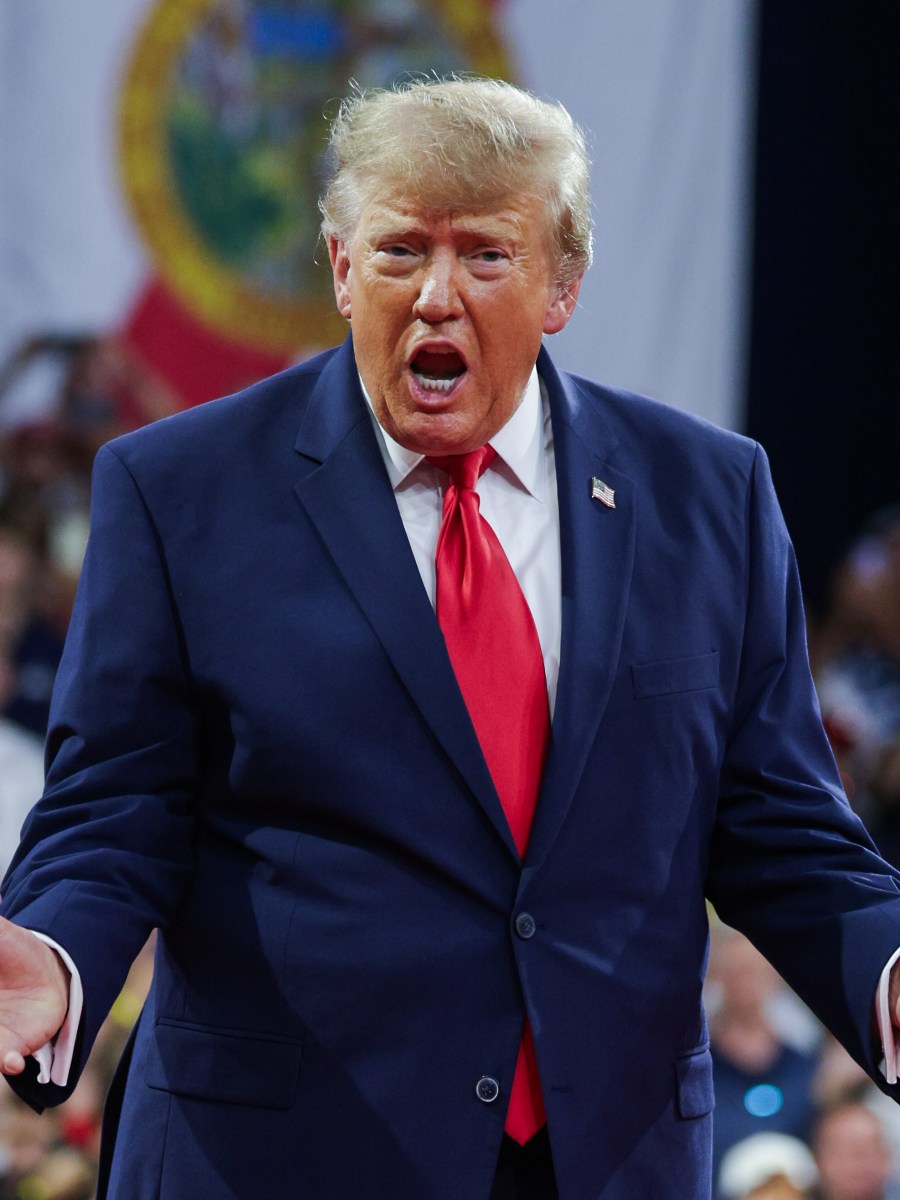


DOJ Tells Washington State To Set Aside Ballots of 400 Voters It Claims are Noncitizens


Featured

Donald Trump’s Reality-TV Presidency Has Entered its Desperate Gimmick Phase

PODCASTS







RECENT




Something went wrong. Please refresh the page and/or try again.