


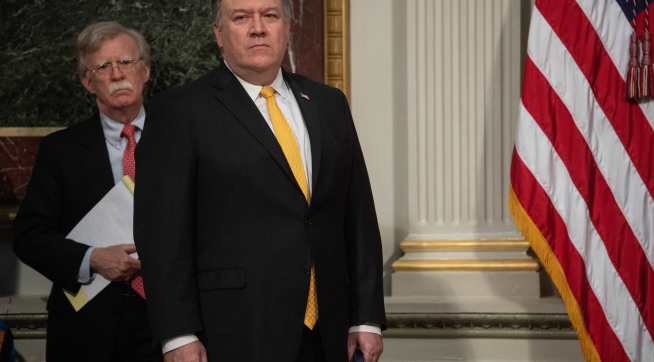
Over the holidays the Times ran a Ukraine scandal story which mainly stitched together the broader storyline but also broke some significant news. In late August the Secretaries of Defense and State and the National Security Advisor met together with the President in the Oval Office to try to persuade him to release the contested military aid to Ukraine. This news only confirms what has always been the most ominous dimension of the Ukraine scandal.
Join
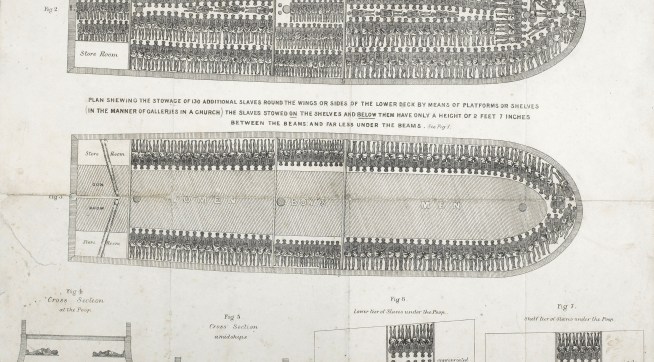
If you’ve observed or been engaged in the debate over The New York Times’ “1619 Project,” I have a book I want to recommend to you. It’s not about that specific debate at all, not about slavery or the Civil War or American history, at least not directly. It’s called That Noble Dream: The ‘Objectivity Question’ and the American Historical Profession. I was reminded of it today for a totally random reason — a quote from deep in the book by the late historian of slavery Eugene Genovese.
Join
So yes, as we said last night, this was a pretty big deal. This is not my subject area. So I will spare you any unrooted commentary. I’ll share one thing. In all the conversations I’ve had over the years with people who do know about Iran they stress one thing: for decades, Iran’s core defense doctrine has been to maximize its strategic reach and deterrence as much as possible without getting into a conventional war with the U.S. That’s clear in the use of proxy militias across the region. It’s clear in the ways Iran has antagonized the U.S. but only up to a point while it occupied its two immediate neighboring states, Iraq and Afghanistan.
Join
It is basically impossible to think that President Trump’s decision to authorize the dramatic assassination of Qasem Soleimani wasn’t influenced by his looming impeachment trial. But we’re also getting more detail now on the precise chain of events leading up to it. I recommend first this Twitter thread from the Times Rukmini Callimachi. The upshot is that the claim of disrupted future attacks was thin at best, inferences drawn from Soleimani’s travel itinerary placed in the context of the shadowy game of tit for tat the two countries have been playing for the last year.
From a different perspective, this is the kind of assemblage of evidence that gets made after you make a decision — justification rather than actual reason. Callimachi has more details. But there’s nothing about the version of the evidence she presents that would make anyone think there was evidence of a threat that required imminent action. Assuming her outlines of the evidence is correct, this is after the fact justification meant to put the operation on a better legal and political footing.
Join
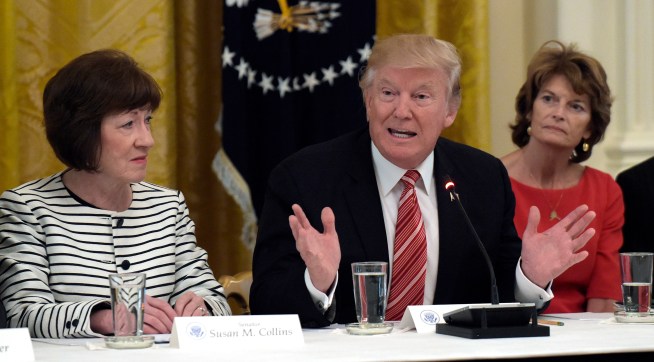
President Trump’s order to assassinate Iranian General Qasem Soleimani has momentarily pushed all from the headlines. But before last Friday and going forward all talk was of the impending impeachment trial in the Senate. As observers tried to make sense of the stand-off over the kind of trial that would be held, most attention focused on Sens. Susan Collins of Maine and Lisa Murkowski of Alaska — the canonical “moderates” who have repeatedly been a Trump Era focus. But this is completely wrong, a frankly imbecilic mistake. I don’t know how much of this is Democrats’ focus or the press generally. It’s probably a mix. But it’s completely wrong, though Collins is in a separate category for reasons I will explain.
There are roughly half a dozen vulnerable Senate Republicans: Cory Gardner (R-CO), Martha McSally (R-AZ), Thom Tillis (R-NC), Susan Collins (R-ME), Joni Ernst (R-IA) and David Perdue (R-GA).
Join

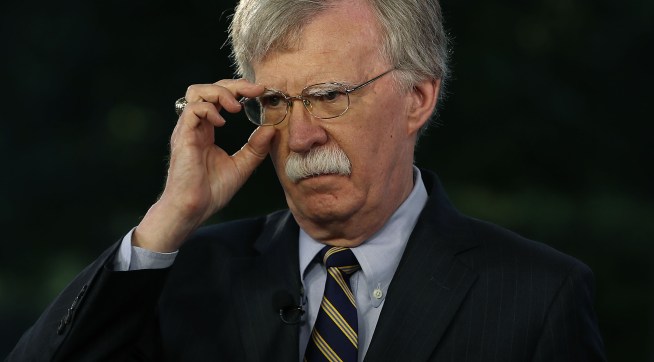
I’m inclined to think that John Bolton’s statement that he would comply with a subpoena from a Senate impeachment trial is largely meaningless. First of all, it only matters if he is in fact subpoenaed by the Senate — which is the whole question currently being debated. There’s little sign that this contingency will ever come to pass.
Join