


In recent posts I’ve been explaining how corrupt leadership of the Justice Department has been seeping down into U.S. Attorneys Offices across the country, sometimes through direct interventions, other times through the general message from the top that using U.S. Attorneys Offices to settle personal vendettas is fine. Our new information comes from a new filing out of the Broadview Six case — specifically, from attorneys for the final four defendants who are now seeking leave of the court to do discovery to get to the bottom of the corruption behind the case and seek sanctions or compensation for legal fees.
First, a little context.
The defense lawyers in the case had been pressing for information and arguing that the entire case amounted to vindictive prosecution. They had specifically asked for any instances of contact between the DOJ or the White House and the prosecutors on the case. The Broadview Six prosecutors said they searched for any communication between the office and D.C. and there wasn’t any. Under the terms the case was operating under at the time, that denial was basically enough to end the matter. But everything changed when the judge discovered the prosecutorial misconduct which led to the collapse of the case. That lost the Chicago U.S. Attorney’s office any presumption of good faith or “regularity,” and she even invited the defense to again press the matter of vindictive prosecution.
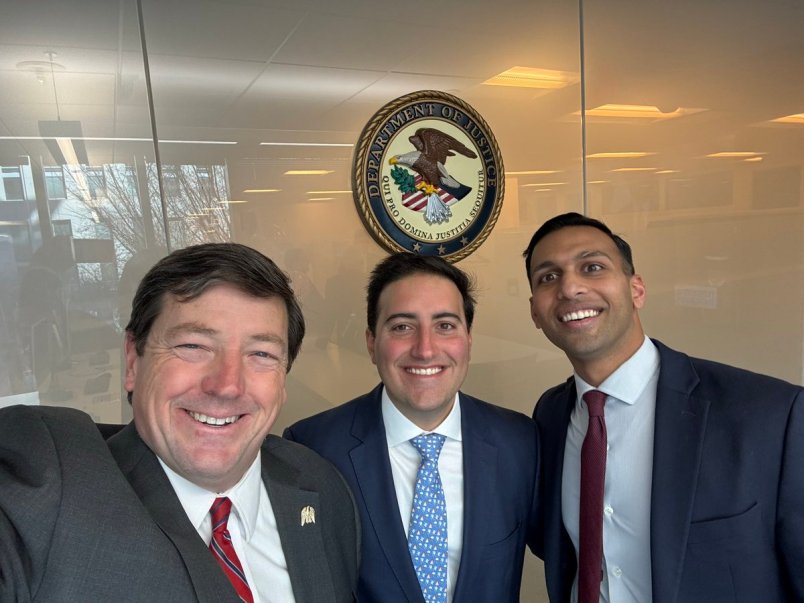
Their new motion has a lot of fairly extensive requests for discovery. But for our purposes, the big new detail is the role of an associate deputy attorney general, Aakash Singh. The motion makes a pretty good case, based on news reports and the Kilmar Abrego Garcia case that Singh is the point man for pressuring U.S. Attorneys offices to pursue political retribution prosecutions and generally operate as the enforcers of the will of Donald Trump, who he has consistently told U.S. Attorneys is their “chief client.”
I’m reposting this portion of the motion because there’s a lot here.

There’s a lot here. But remember that a central part of the Broadview grand jury corruption came when then-lead prosecutor Sheri Mecklenburg simply tossed grand jurors who refused to deliver the indictment the office wanted against the Broadview Six. U.S. Attorney Andrew Boutros seemed to be trying to do something like that when he met with the grand jury just before they brought an indictment on the third try, though he left himself a lot more deniability. As you can see in the second paragraph of the footnotes above, Singh has apparently advised federal prosecutors to do exactly that when grand juries have refused to bring retribution or baseless indictments. The footnotes reference this article by Ben Penn from BloombergLaw.
Here’s the specific passage in the article.
As multiple grand juries refused to indict Washingtonians on federal charges following mass street arrests, Singh instructed the office’s criminal team to ask the chief judge to dismiss jurors who presented hurdles and then “rinse and repeat” to a new panel.
I was not aware of Singh before he appeared in this new filing. He’s come up extensively in the Abrego Garcia case, as David has documented in Morning Memo. So I probably should have been. But the motion makes a very strong case that Singh is the conduit through which the White House and the DOJ deliver instructions and commands to individual U.S. Attorneys offices to bring retribution prosecutions and generally commit prosecutorial misconduct on behalf of Trump’s political agenda or grievances. We can thank the Abrego Garcia case for generating a lot of evidence of his direct contact and apparent control over the prosecutors on that case. (Check out the Bloomberg Law article. It’s very detailed and appears to be outside any paywall, though it has a subscription sign-up challenge that you can just click through.)
All of the above is a big deal. We’ve known the DOJ has been abusing its power and generally working as a retribution arm for Donald Trump. The Broadview Six case and the Abrego Garcia case, along with a few others, are giving us the first detailed examples of specific prosecutorial misconduct and what the Abrego Garcia judge decided was vindictive prosecution, an extremely high bar. This new motion from the former Broadview Six defendants is giving us a good sense of who may be passing on the orders from D.C. to the individual U.S. Attorneys offices. Also important, the judge who is going to make these decisions about what discovery those former defendants can conduct is one those prosecutors repeatedly deceived. It would be unfair to say Judge April Perry is acting from some personal motive or grievance over that. But she knows she’s dealing with grave levels of misconduct and she clearly wants to get to the bottom of it.
Stay tuned.