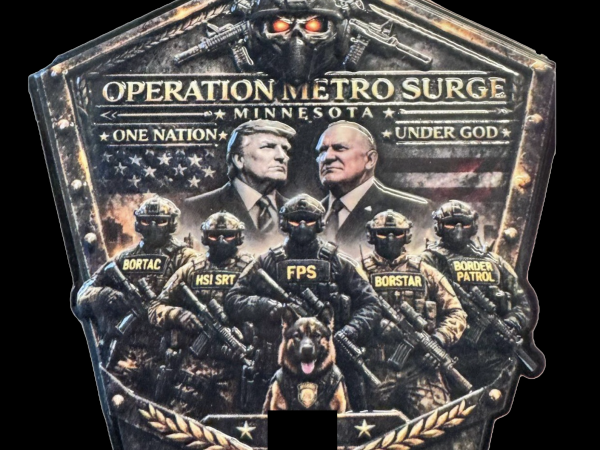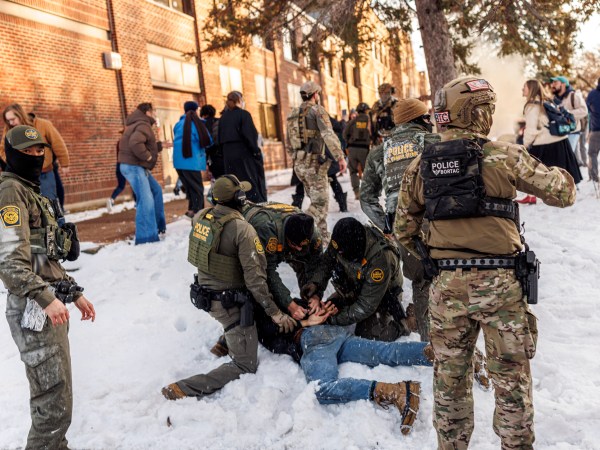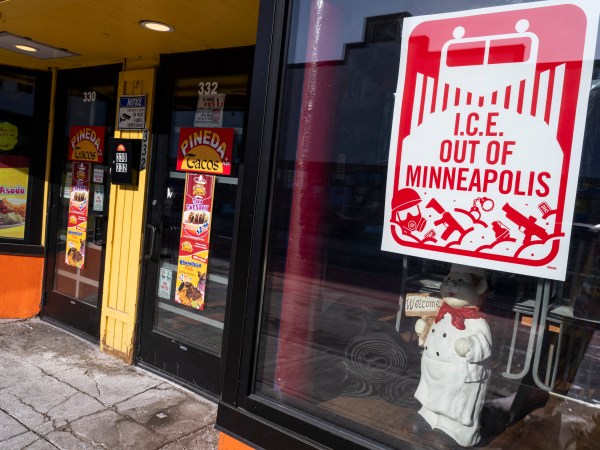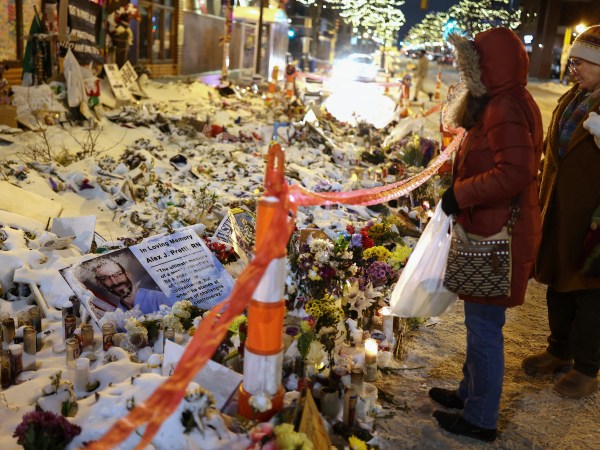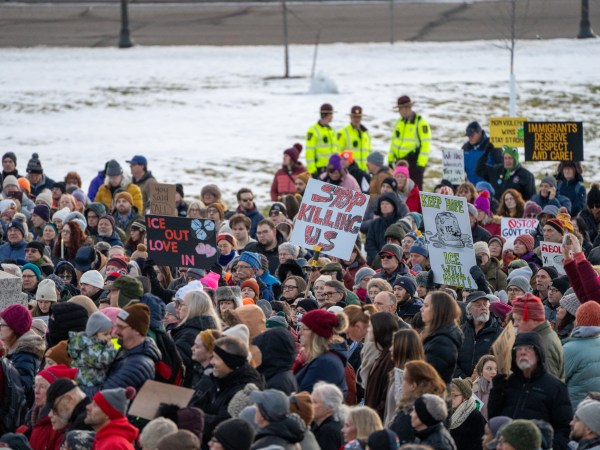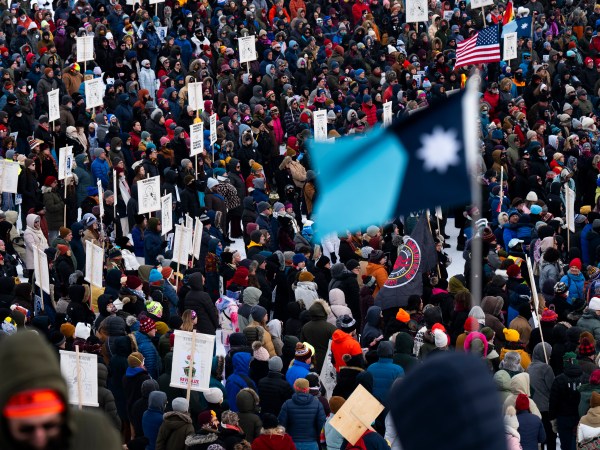
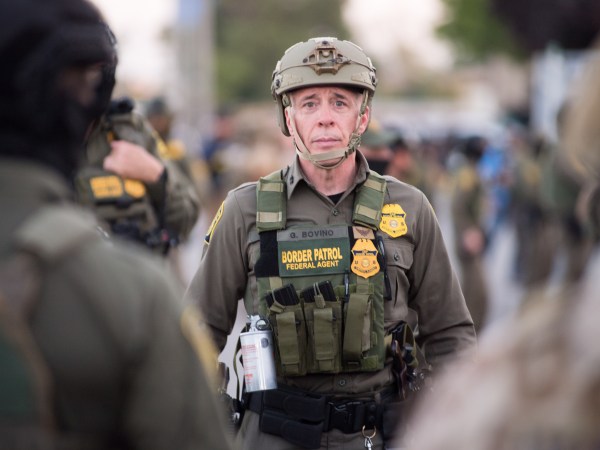
News just moved today that federal prosecutors in Minneapolis have brought conspiracy charges against 15 Minneapolis demonstrators whom the government has identified as being members of “Antifa.” (I don’t know when or if “Metro Surge” officially ended. But apparently most of the incidents are more recent than the period this winter when Renee Good and Alex Pretti were killed.) Our team is currently reviewing the indictment; check out Kate Riga’s latest for more details about the case. But I checked in with staff and our initial sense is that it is likely yet another case of overcharging, perhaps comparable to what happened in Broadview. It contains the same legal theory in which a protest amounts to a conspiracy in which every member of the protest is legally responsible for anything any other protestor does. It’s a dagger at the heart of the 1st Amendment.
Read More
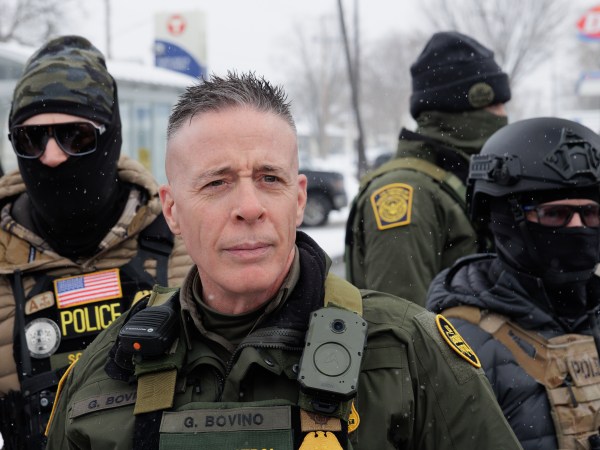
Opposition to garrisoning soldiers in civilian towns was a cornerstone of the American Revolution as well as an essential element of the American civic tradition. The Boston Massacre was a key accelerating event in the build-up to the American Revolution. The 3rd Amendment bans the quartering of soldier in homes except under specific and limited circumstances. I’ve written a number of times about how when it comes to this part of the American civic tradition we’re much too literal today about what constitutes an army or soldiers. Let me say a bit more about that.
Today we tend to think of two groups who wield legitimate violence on behalf of the state: police and soldiers. Police deal with citizens and law and order, while soldiers go to war. But policing organizations and other civilian paramilitaries are a very modern invention. They go back around two centuries and most of their history goes back less than 150 years. Those include metropolitan police departments as well as organizations like the FBI, Drug Enforcement Agency, Immigrations and Customs Enforcement, Customs and Border Protection and various others.
Read More