


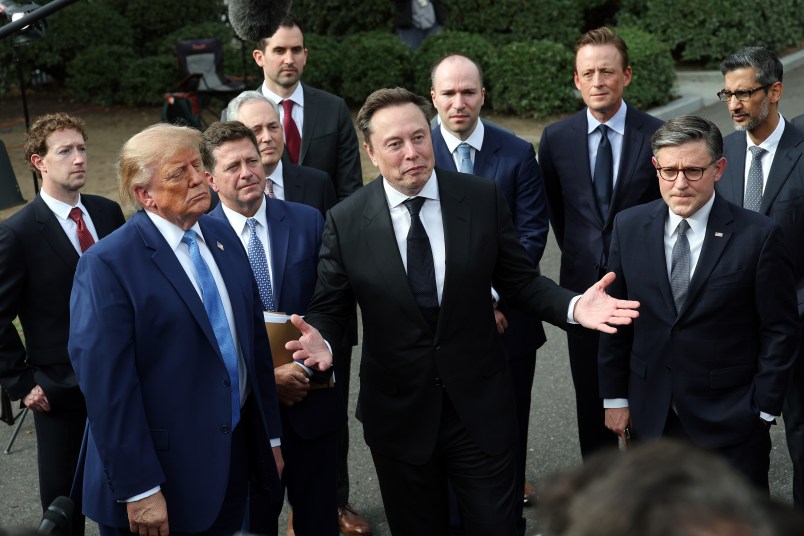
For years, and especially in the last month or so, we’ve been collectively inundated with an AI industry which, uncannily and bizarrely, tells us simultaneously that AI is essential, inevitable and runs a significant chance of exterminating all of us in as few as two or three years. If you’ve dipped into this debate at all, you’ve quickly come upon discussions of so-called “rationalists” or “long-termists” or supporters of “effective altruism” who are simultaneously ubiquitous among those developing AI and in the AI safety (i.e., the folks sounding the alarm) community as well. (For the sake of simplicity and brevity, I’ll refer to these folks as the “REL nexus”: rationalists, effective altruists and long-termists. This is my coinage since I don’t know a better one.) I’ve spent a fair amount of time familiarizing myself with this world and how it relates to current debates about AI. So I wanted to share my basic impressions.
Join TPM to get full-access to our reporting, newsletters, and other member-only features.