


We seem to be moving toward a framework in which a relatively small ‘hard’ infrastructure bill is passed through the Senate with Republican support. Then most of the rest of Biden’s two part infrastructure package (The American Jobs Plan and the American Family Plan) will be passed through a reconciliation bill which will get no Republican support and pass the Senate with 50 votes. There’s a lot of downside to that – not least of which is that it allows Republicans to take credit for the most popular stuff and creating a second bill with a lot of social spending and a lot of new taxes.
I want you to take a moment to watch this video. It’s a host on OAN – Trump’s favorite startup cable news channel – calling for the execution of “tens of thousands” of “traitors” who participated in stealing the election from Donald Trump. So executions for the tens of thousands of imaginary people behind the “steal”.
On the one hand this is totally insane. But it is also textbook incitement. They should be killed and since illegitimate President Joe Biden won’t do it you should probably take matters into your own hands.
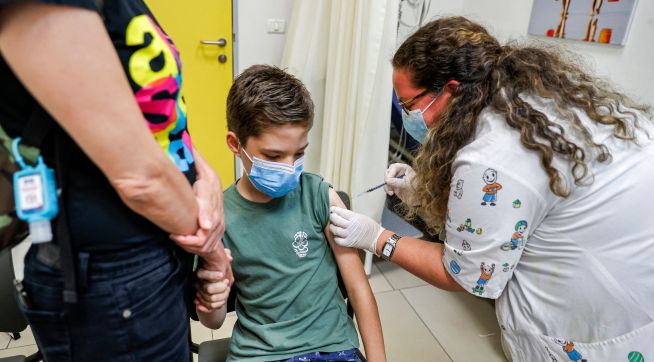
Two stories emerged out of Israel this week which give us a view into the remaining months of 2021 in the United States. There’s nothing special or significant to the stories emerging in Israel. It is simply the most aggressively vaccinated country, using the most effective class (mRNA) of vaccines. Recently Israel had its first week with no COVID fatalities at all since the beginning of the epidemic. In most respects the pandemic is or was truly over in the country. No new fatalities, only a tiny positivity rate in tests, basically all mitigation mandates lifted over the last two weeks. But then starting several days ago there was a new outbreak tied to a group of schools in the north of the country.
Now to be clear, this is an ‘outbreak’ at a much, much smaller magnitude than anything we had seen during the pandemic. It also doesn’t seem to be evading the immunity provided by the Pfizer vaccine any more than expected. But it’s still highly significant and the country is on the verge of bringing back some of the mandates like indoor masking.
Calling all musicians/composers/dexterous felines:
We at the Josh Marshall Podcast are taking submissions for a new and original show theme song!
Some quick guidelines:
- The clip should run about a minute and a half, two minutes max
- It should be high-quality audio
- We will pay for the winning submission
- We ask for these compositions by the end of July — send them to talk at talkingpointsmemo dot com with “podcast theme song competition” in the subject line
Thank you to everyone who has already submitted — we can’t wait to listen!
-Kate, JMP co-host
Over the last 24 hours we have had 121 more TPM Readers contribute to this year’s drive for The TPM Journalism Fund. Thank you. This keeps us moving toward a successful drive. Why is this important? Click here. Ready to contribute? Click here. And again, thanks from all of us.

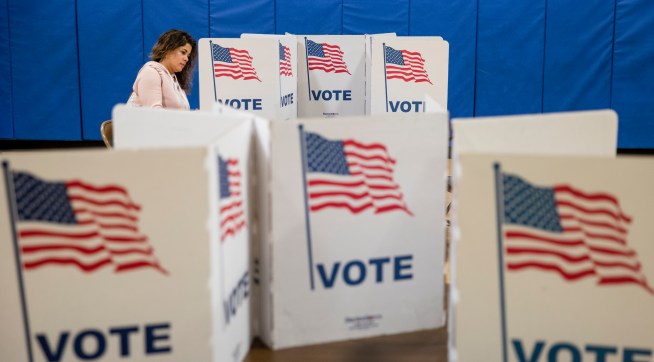
The majority of Americans can see right through the intentions of the ongoing and impending “audits” of the 2020 election springing up around the U.S.
But a decent chunk — 37 percent — also think that voter fraud is a major problem in the United States.
JoinWe’re about to record this week’s edition of the podcast and we’ll be talking about the on-going trials and tribulations of H1/S1, the For the People Act. Yesterday, to quasi-great fanfare Joe Manchin finally agreed to support what was in essence his own compromise version of the bill. Then Republicans unanimously refused to allow a debate over the bill. And that was it.
Or was it it?
New York City held its mayoral primaries yesterday. Republicans nominated 70s/80s throwback Curtis Sliwa, a choice that is likely to have zero impact on the final choice of the next mayor. The real battle took place within the Democratic primary. The winner of the primary and what it means for a run off won’t be clear until mid-July – an almost absurd result of the confluence of ranked choice voting, which is being used for the first time in the city, and generous absentee ballot rules. But the clear leader so far is Eric Adams, a retired police captain who is currently the Brooklyn Borough President. The current results are Adams 32%, Maya Wiley 22%, Kathryn Garcia 20% and Andrew Yang 12%.
Adams is black. He ran on a pro-police, pro-law enforcement platform. Polls suggest his key bases of support were black voters, voters without a college education and voters who don’t reside in Manhattan. He had strong support among the city’s unions and is in many ways a traditional machine politician.
We made a strong start last week to our second annual drive for The TPM Journalism Fund. We really need to keep that momentum going. If you thought of contributing last week but didn’t get around to it, please consider doing so right now. Just take two minutes out of your routine and click here.
We have made great strides over the last five years totally transforming the site’s business model from one based almost exclusively on advertising to one based overwhelmingly on membership fees. But it’s not quite enough, at least not yet. That’s where The TPM Journalism Fund comes in. It plays a relatively small (in percentage terms) but still critical role in our budget, allowing us to keep our focus on original reporting and evolve with the changing news environment.
Please help us keep this momentum going. It’s really very important. Just click right here.
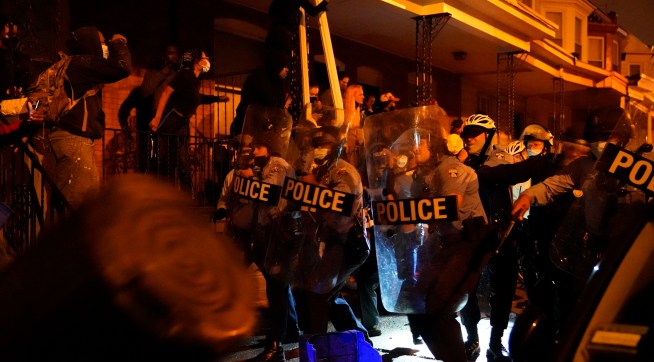
I went in with low expectations reading this article in The New Republic about whether criminal justice reform can survive the COVID-triggered rise in violent crime. I say low expectations because I’m accustomed to reformers being in denial about the role of violent crime in triggering support for punitive law enforcement regimes. Equally I find they are often in denial about the relevance of arguing – even convincingly – that rising crimes rates are not driven by lack law enforcement. But the article was quite good. It made the case, fairly persuasively, that the 2020-2021 crime surge isn’t tied to reformist criminal justice policies. It also explained why this likely won’t matter, or at least that public fear tends to drive more punitive and authoritarian law enforcement regimes whether or not those policies are rooted in clear evidence of efficacy.