


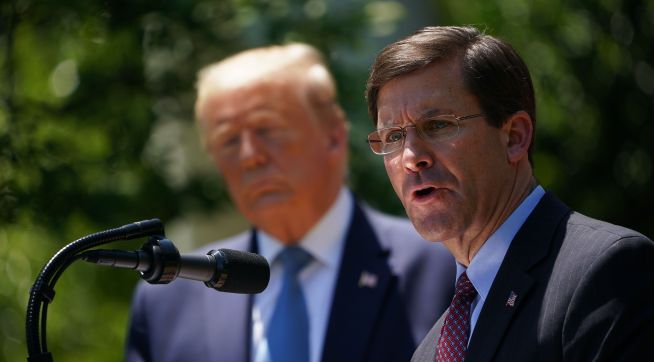
There’s a lot of troubling but clarifying information coming out tonight about the military deployments in Washington, DC. Reporting from the Times suggests what has seemed apparent by inference, which is that the White House and the Pentagon have spent recent days in a tug of war over the deployment of regular Army combat forces into DC. The Pentagon has resisted but President Trump has insisted, apparently wanting to keep them at least just outside the city as an ongoing sign of strength. This afternoon he appeared to finally relent and agree to allow them to return to their home bases.
There’s another dynamic I’ve noticed that has gotten little explicit attention.
JoinTPM Reader TC chimes in from the world of medical research …
I’m a health researcher and deeply involved in similar work- aggregating data from large electronic health record databases. Many large medical centers care for ~1M patients per year, but even with all the COVID cases, one needs to aggregate ‘like with like’ data across multiple databases. There are standard informatics and statistical reasons to do this. So the overall methods are actually similar to several large national projects currently being stood up by NIH, CDC and PCORI, among others.
A few days ago I flagged that that big hydroxychloroquine study published in The Lancet was becoming a major and substantive controversy. The questions raised about it went well beyond critical questions of interpretation or how one structures a proper study or review to questions verging on accusations of fraud.
Today The Lancet officially retracted the study. This was followed a short time later by The New England Journal of Medicine retracting a separate study that was not about hydroxychloroquine but relied on data from the same company, Surgisphere.

Yesterday, amidst global protests about police brutality, the venerable New York Times published an op-ed by Sen. Tom Cotton (R-AR) titled “Tom Cotton: Send In the Troops.”
“The nation must restore order,” the sub-headline read. “The military stands ready.”
This piece was met with visceral anger. The union representing New York Times staff, the NewsGuild, issued a statement that Cotton’s message “undermines the journalistic integrity of our members, puts Black staff members in danger, promotes hate, and is likely to encourage further violence.” Countless journalists tweeted “Running this puts Black @nytimes staff in danger.” Read More
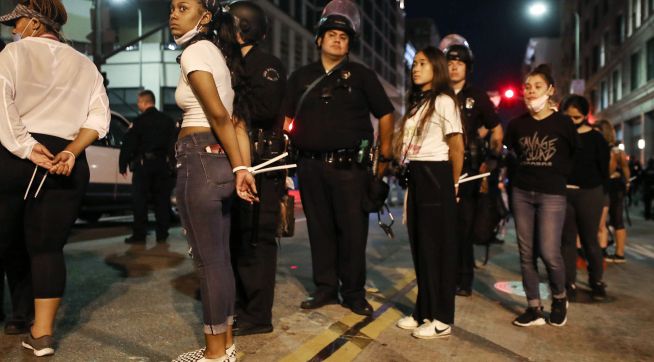
One of the essential features of Trump and Trumpism is the way he has – both in his person and his movement ideology – managed to bring all the contradictions and controversies in our society furiously to a head. In a matter of days not weeks we have managed to skip from the intricacies of a public health crisis to racism and police violence to the state cornerstone of civilian-military relations and the rather essential question of whether the President is threatening some sort of distended military rule.
Join

The Senate majority leader rarely straightens his spine to break with President Trump. And when he does, you can always expect push back about as stiff as a wet noodle.
JoinTrump and Barr are patrolling DC with federal prison guards from the units trained to deal with prison riots and emergency situations in federal prisons. These appear to be at least some of the federal police who have been refusing to identify themselves on the streets of DC.
Only a couple hours ago, the AP reported that the Pentagon was beginning to send regular Army troops deployed to DC back to their home bases. Now Secretary Esper has abruptly reversed that order. Seems very likely that the White House found out – quite possibly from the news report – and ordered Esper to reverse course.
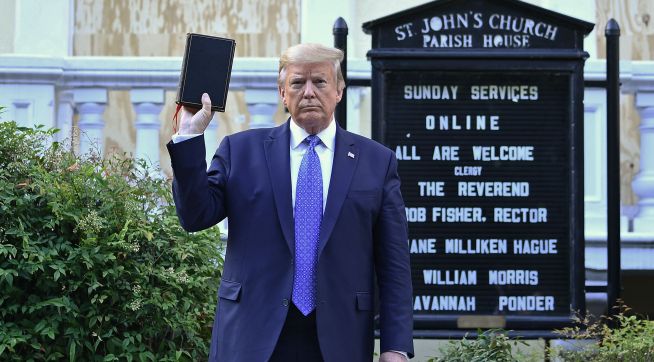
As I’ve said, living in history is about not knowing the future. We are in a very volatile, unpredictable, dangerous moment in the history of this administration and indeed the history of the country itself. The stunt in front of the White House on Monday is not wearing well. It has the feel of one of those gambits employed by an embattled strongman which does both too little and too much, exposes weakness while galvanizing opponents. In the brittle late 20th century states of Africa and Latin America these moments would rapidly force a decision to massacre demonstrators or start lining up a flight to the French Riviera or exile in Saudi.
Join
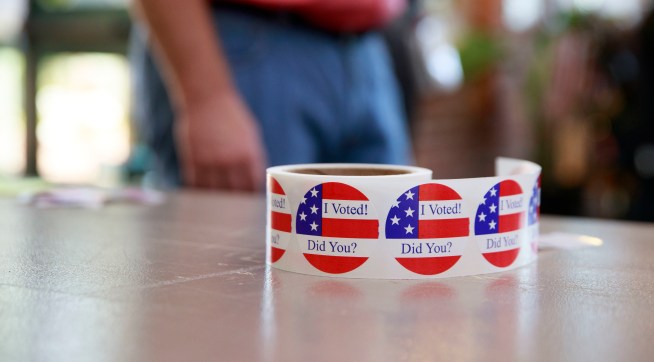
Protesters weren’t the only people demanding justice last night.
Join