


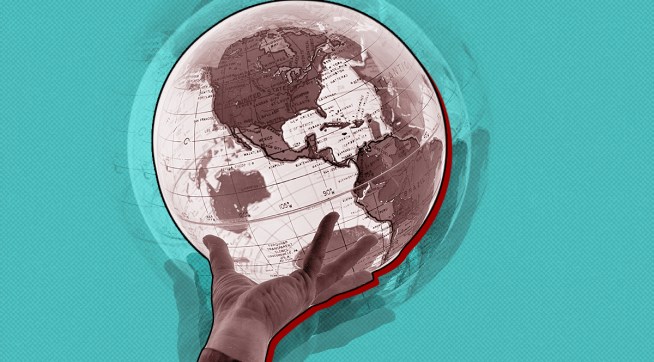
Earlier today we put up a new page at TPM: our coronavirus community resource hub. It gathers together all of our latest coverage, along with some valuable resources that have informed our reporting.
Particularly interesting, for me, is a map showing various emails we’ve received from our readers — across America and around the world. These emails give first-hand accounts of what was happening on the ground as the coronavirus spread — first in China, then in Italy, then in Washington state, and now everywhere. Read More

One of the big questions hovering over this medical supply and PPE shortage story is how much of this is just chaos and mismanagement versus some sort of more organized bad acting. It’s simply not clear. This morning I heard from a board member of a regional private hospital system who said these seizures aren’t just happening. They’re commonplace. Seemingly bordering on routine. To paraphrase this person’s account it’s searching high and low everywhere to find supplies and on those rare occasions when you strike gold the feds are likely to jump in and grab your stuff anyway. Hearing this my sense – not the source’s words – is that it’s almost like FEMA and whatever other agencies are doing this are using these desperate buyers as their involuntary lead generators. Let them find the stuff and when you see a shipping order surface, grab it.
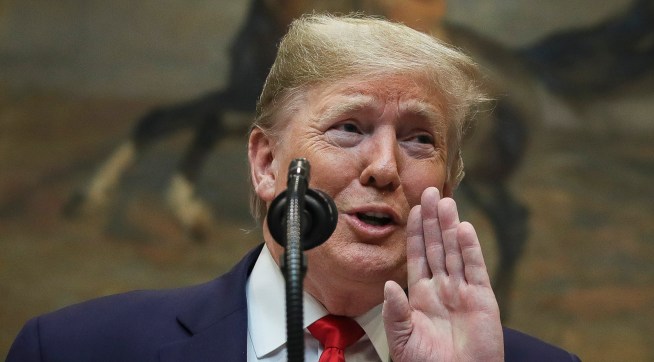
As we work to find out the scope and goals of the White House’s seizure of medical goods across the United States, a simpler pattern is coming into view: the White House seizes goods from public officials and hospitals across the country while doling them out as favors to political allies and favorites, often to great fanfare to boost the popularity of those allies. The Denver Post today editorialized about one of the most egregious examples. Last week, as we reported, a shipment of 500 ventilators to the state of Colorado was intercepted and rerouted by the federal government. Gov. Jared Polis (D) sent a letter pleading for the return of the equipment. Then yesterday President Trump went on Twitter to announce that he was awarding 100 ventilators to Colorado at the behest of Republican Senator Cory Gardner, one of the most endangered Republicans on the ballot this year. As the Post put it, “President Donald Trump is treating life-saving medical equipment as emoluments he can dole out as favors to loyalists. It’s the worst imaginable form of corruption — playing political games with lives.”
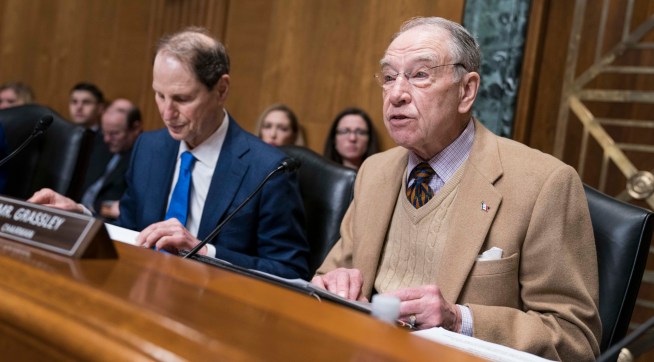
We’ve known for some time that Sen. Chuck Grassley (R-IA) has a soft spot for protecting whistleblowers. That affection apparently extends to inspector generals as well.
I’m very proud that our team has been early on the federal governments seizures of medical supply shipments around the country. We continue to work major leads on this front. If you didn’t read it yet be sure to read Josh Kovensky’s look at the range of powers the federal government can use to seize medical supplies during a public health national emergency. Tonight I wanted to flag your attention to this story published yesterday by The Los Angeles Times on this evolving story.
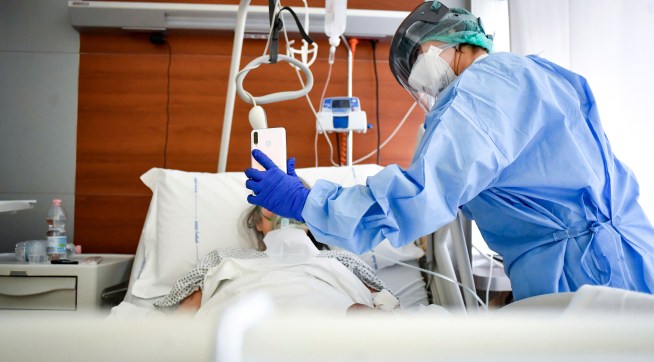
Yesterday I noted an emerging debate within the critical care community of whether at least some critical COVID-19 cases are significantly different from standard Acute Respiratory Distress Syndrome (ARDS) and require a different treatment protocol. Since posting that piece I’ve found more evidence that this is a rapidly emerging discussion among critical care doctors and perhaps even some emerging consensus about how critical COVID-19 cases are different from ARDS.
First here’s an update from TPM Reader WC (not their actual initials), a critical care doctor on the West Coast who our team has been in touch with since early in the crisis …
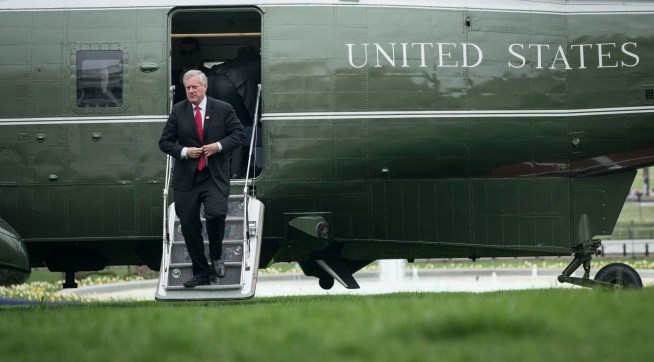
Newly minted White House chief of staff Mark Meadows was behind the decision to replace the White House press secretary with one of President Trump’s most ardent defenders on his reelection campaign.
And he’s not stopping there.
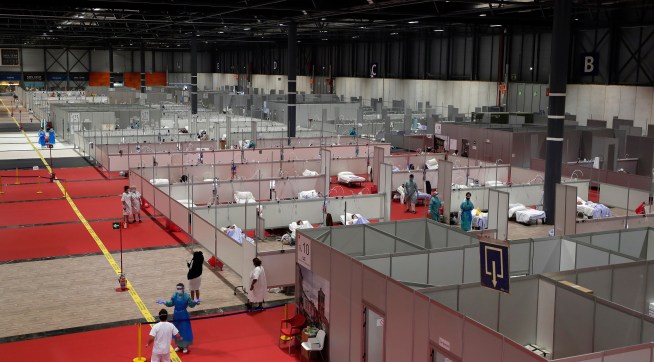
We’ve now seen the common pattern. A certain region or jurisdiction reports X number of COVID-19 fatalities over a given period. But when the average number of deaths for all causes is compared to these COVID-19 death tolls they are still dramatically higher than the COVID-19 numbers alone can account for. So we see a large number of unexplained deaths that are almost certainly due to the COVID-19 crisis, whether that is people dying of COVID-19 or dying from other causes at higher rates because of the social and medical care disruptions brought in its wake.
This morning TPM Reader SH sent me this article (in English) from the Spanish daily El Pais which shows another example from the Madrid region of Spain. (An earlier example came from the autonomous community (something like a US state) of Castile and Leon.)
Here is a fascinating new bit of information. It’s not new per se. But either I hadn’t heard about it or perhaps it’s simply been overrun in the furious last month of news. As recently as the end of February, the US Commerce Department was encouraging US companies to take advantage of newly relaxed Chinese import regulations to export masks, ventilators and other COVID-relevant medical supplies to China.
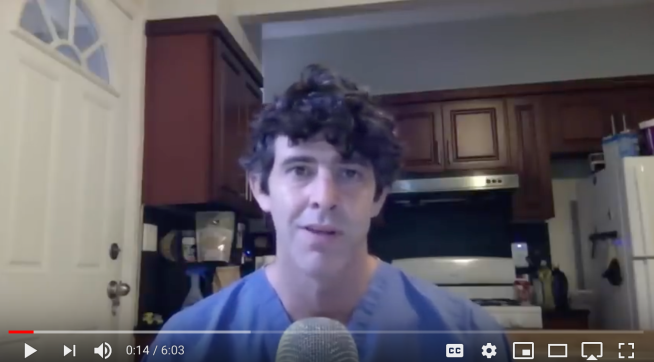
This appears potentially quite important. Since it has to do with technical clinical details and treatment protocols I’ll try to be both as precise and general as possible. Yesterday I noticed this grainy youtube video posted on March 31st by a New York City emergency and critical care physician, Cameron Kyle-Sidell. Kyle-Sidell said that he thought the treatment protocol and basic understanding of acute COVID-19-induced respiratory distress were both wrong. He said that what he is seeing in his ICU does not look like pneumonia but rather oxygen deprivation (hypoxia). Thus the treatment shouldn’t be focused on high pressure for someone whose lungs aren’t able to function but rather more effective ways of delivering additional oxygen. Critically, he argued that the high pressure ventilation might be damaging the lungs. He also said his impressions were based both on his ICU work over the previous two weeks and conversations with other clinicians around the country.