


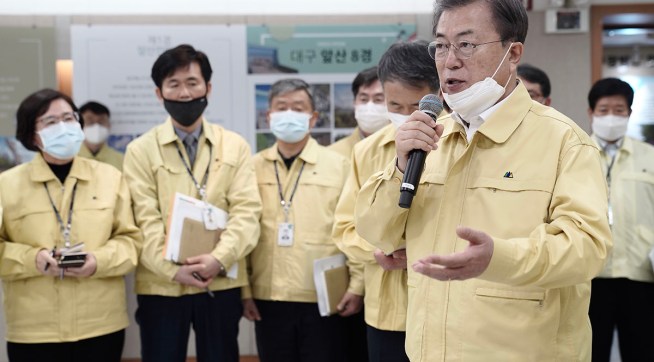
We should pay close attention to what is happening in South Korea. According to the latest data, South Korea has the second largest outbreak of COVID-19 in the world after China. Italy and Iran have only slightly fewer cases though it’s likely that South Korea’s higher number is driven in part by more aggressive testing.
But they appear to be making progress getting the outbreak under some control. In the last four days the numbers of new cases have been 518 (Thursday), 483 (Friday), 367 (Saturday) and 248 (Sunday). The country is doing sufficient numbers of tests at scale that those decreases likely correspond to a significant degree to what’s happening in the larger community. South Korea has so far done more than 190,000 tests. They currently have the capacity for approximately 15,000 tests per day.

One thing we’re already starting to see is that the current COVID-19 pandemic is only one part of, though clearly the biggest and driving part of, an unfolding global crisis. The economic knock-on effects are now ramifying across the globe in ways that will not only complicate the disease response but create new realities and crises that have a life of their own.

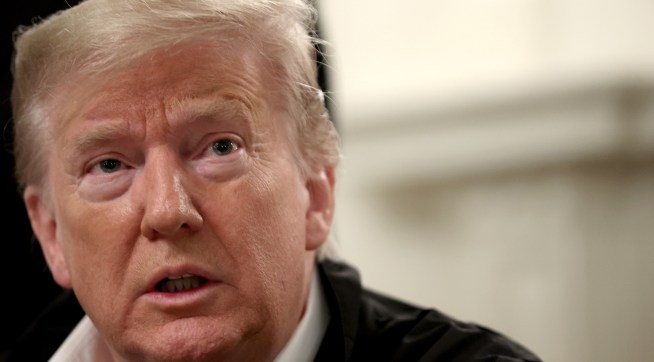
There have been plenty of reports that President Trump is a bit of germaphobe (who also has a fear of being poisoned).
Join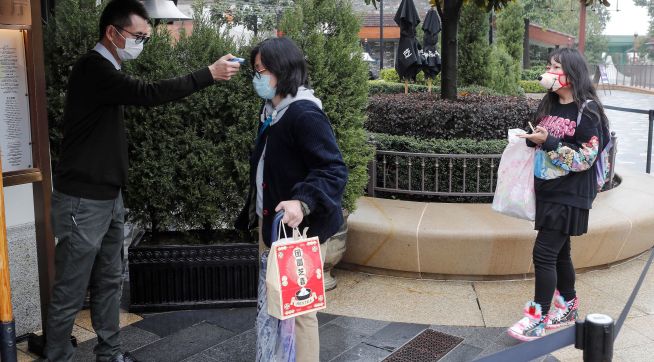
The following is an absolutely fascinating report from TPM Reader AK on the COVID-19 clampdown in Shanghai. We get so many great accounts from TPM Readers, always with different dimensions and different kinds of information depending on the kind of news story over so many years. This one is particularly rich. But I’m reminded how great an asset and value this is to the TPM community and our ability to bring you the news.

The great global pandemic of the modern age is the 1918 “Spanish flu” pandemic. More than a quarter of the world’s population is estimated to have contracted the disease and tens of millions died. In recent weeks, many have pointed to it as a model for how bad COVID-19 could get. The case fatality ratio of the Spanish flu is estimated to have been between 2% and 3% of those infected. That’s roughly comparable to mortality in the epidemic in Wuhan, China.

This seems to be the best and really only source of information I’ve seen with detailed and frequently updated data on the rate of COVID-19 testing and infections broken down by states within the United States. This is the breakdown by states. This is the daily cumulative update. In each case you have total tests, positives, negatives and pending. In a better world, the CDC or some other government agency would be publishing this information. But that’s not happening.
A few more points about why this is a reliable source.
Importantly this is from Monday, March 2nd. A lot has happened over the last five days. But TPM Reader RW reports that he was not screened at all when returning from Milan, Italy, which is the epicenter of the outbreak in Italy …
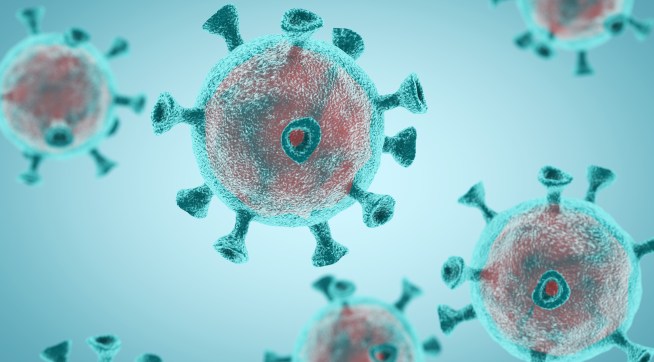
As the COVID-19 crisis unfolds one of its unique dynamics is the surge of new medical studies being rushed into print because of the extenuating circumstances of a global pandemic. To be crystal clear, these are studies produced using expert, scientific methodologies and conducted by credentialed epidemiologists and clinicians. But many have relatively small sample sizes and they’re being performed – many in China – under crisis conditions. So they don’t necessarily ‘prove’ things even in the limited way that larger, more organized studies can. But they’re giving us key information.
Let me point your attention to a few of them.
I mentioned on Thursday talking with readers who have had difficulty convincing older relatives to take basic social distancing precautions because they’ve heard on Fox News that the threat is being hyped for political purposes. Now Ipsos/Reuters has released a poll which shows a significant though not overwhelming difference between the self-reported precautions by Democrats and Republicans.