If you ever spend time on YouTube, I hope you’ll take a moment to subscribe to our YouTube page, which you can find right here. We have a couple great podcasts with video versions as well as various conversations and interviews we’re publishing. But even if this isn’t for you, simply clicking the subscribe button on our page helps more new people find our videos, find out about what we do at TPM and potentially become new TPM members. That simple button click helps us a lot. If you could take 30 seconds right now, go to this link, and hit subscribe I would be so appreciative.
Editors’ Blog
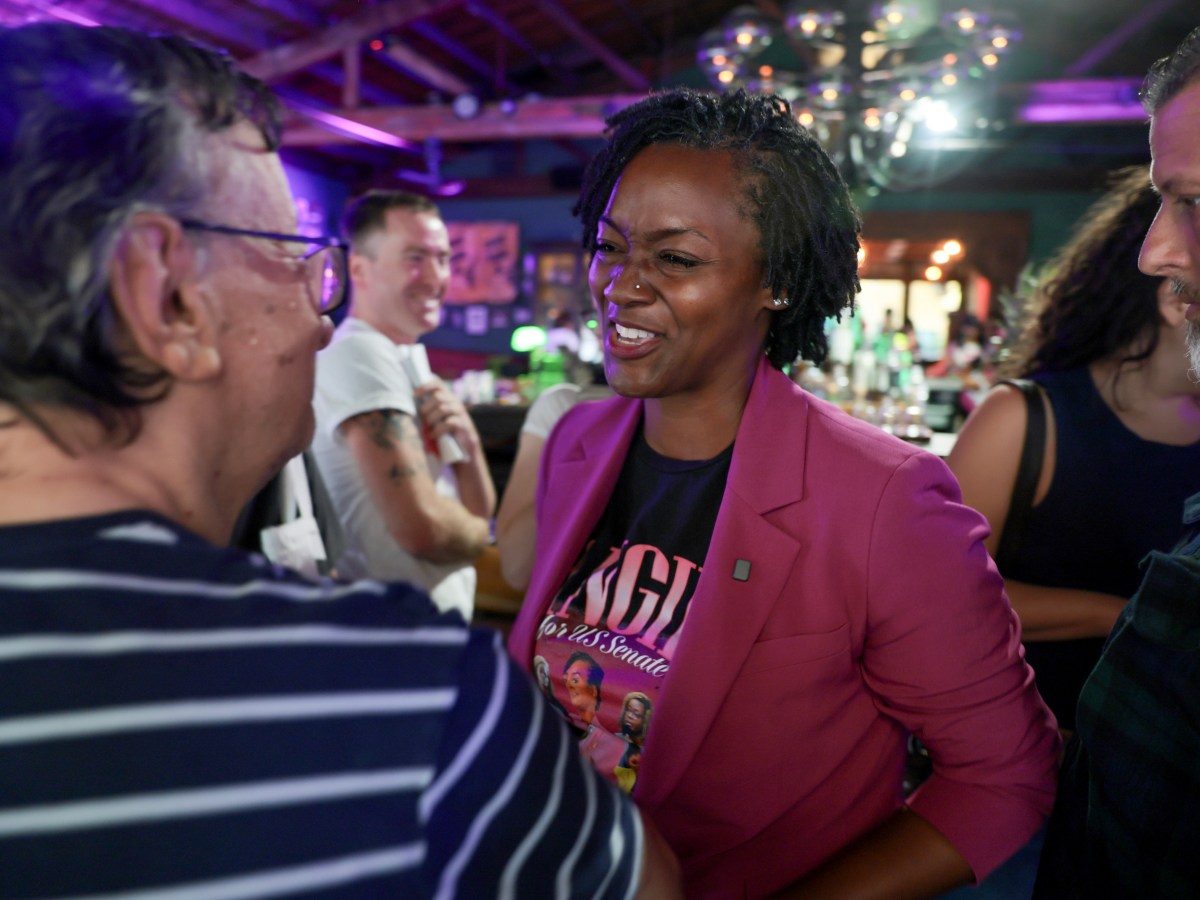
I’ve mentioned a few times that I think Democrat Angie Nixon, just based on my watching her in campaign appearances and interviews, is a very strong candidate — certainly the most canny and able of the DSA-affiliated major race candidates I’ve seen this year. Being a strong candidate, to be clear, is a different metric from whether you’re a good match for a state or district. But I also think her winning isn’t impossible. Same story we’ve seen in other places: bad bad climate for Republicans and an at best meh GOP incumbent. Ashley Moody is a DeSantis crony who was basically gifted the seat when Marco Rubio became Secretary of State.
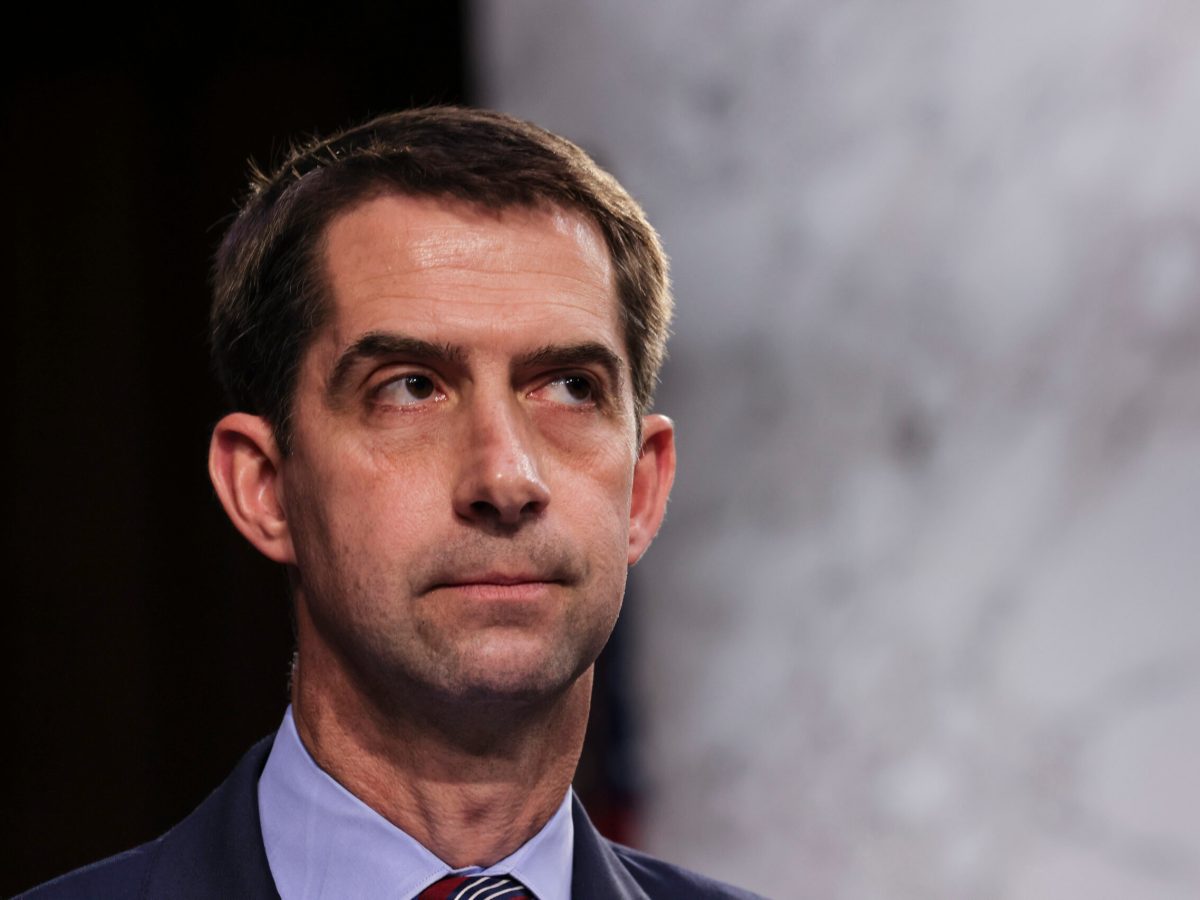
I need to start these kinds of posts by saying: No. I absolutely do not believe Tom Cotton will lose his reelection campaign. But even races that aren’t in contention can give you a read on the partisan climate. The Cotton campaign just released an internal poll showing him 11 points ahead of Democrat Hallie Shoffner — 50% to 39%. A Libertarian candidate has 4% support and 7% are undecided. That’s a solid lead. And a result any candidate would be happy with. Except when you remember that Trump won the state with 64% of the vote two years ago and Cotton won reelection with 67% of the vote in 2020. In 2022, John Boozman won with 66% of the vote. Cook appears to list Arkansas as an R+15 state. And they’d know. But in terms of actual election results, it certainly seems more like an R+30 state. In any case, the point is clear: This is a big level of underperformance in an extremely red state.
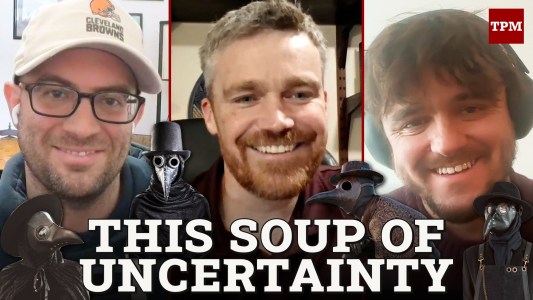
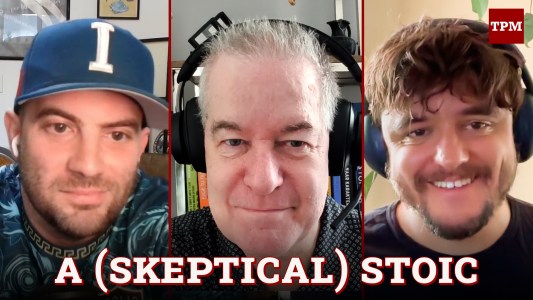
TPM Video: What Can We Make of Our Digital Emperors?
People are building statues dedicated to Elon Musk. Mark Zuckerberg thinks he is Augustus. Sam Altman says we need to “accept some bad things” for AI.
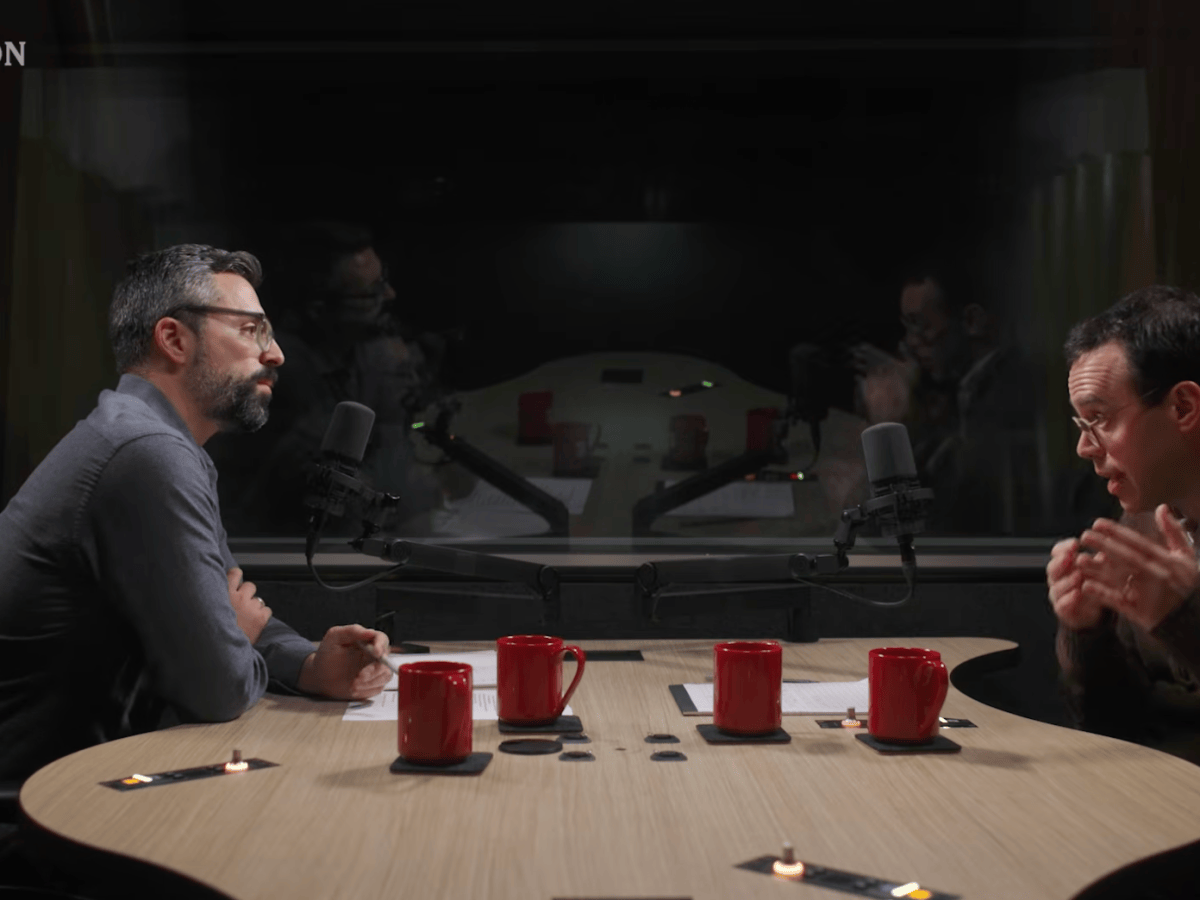
Today on TPM’s Untitled Friday Show (Name TBD), I was joined by one of my oldest colleagues (and friends) Derick Dirmaier. TPM’s Head of Product. We’ve been in the digital news game a long time. We’ve seen some things.
We talked about how the online world, which once seemed separate and distinct, has encroached on the so-called real world. At the center of this transformation are, of course, the tech moguls. These guys have amassed insane amounts of power and often when the speak, sound totally insane. They also have legions of sycophantic admirers. What should we make of all this?
We spent some time trying to sort through it all. Thanks for joining us!
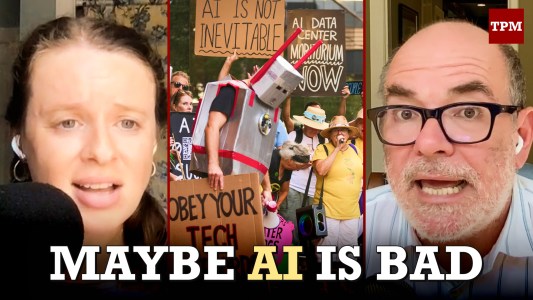
Yet another update on the running AI discussion.
Here’s an interview Ezra Klein did with a guy named David Robinson. And that interview is about a piece Robinson, a member of the Open AI safety and safety documentation team, wrote in The Atlantic announcing his resignation from OpenAI — a decision and announcement he is self-aware enough to note has become something of a cliche. I found the interview interesting and edifying, largely on the front I mentioned earlier about finding reliable narrators.
Robinson isn’t a data scientist or a programmer. His role at OpenAI was essentially being the conduit between the teams building the LLMs and the knowledgable and interested public, specifically the people who write the documentation — what does this model do, how does it work, what are the possible safety risks. As is usually the case in any highly technical space, the people doing the work aren’t going to be writers and they’re usually not going to speak a language outsiders can necessarily understand. So you have people who are close enough to the work and the workers to understand what is happening and also able to speak human so they can communicate it to everyone else. Robinson led the team that served in that role.

This is an update to my post from Tuesday about the “existential risk” panic. A good friend of mine reached out to me and said, in so many words, yes, all that techno-babble is weird. But that doesn’t mean these risks aren’t real. And as I tried to make clear in my piece, I agree with that, at least to the extent that if Group A isn’t made up of reliable narrators, I’m not clear who the reliable narrators are. He pointed me to this recent report put out by the Rand Corporation, which is kind of the original think tank and has always been closely tied to the U.S. government and for lack of a better word the U.S. military-intelligence-industrial complex. It’s an interesting report. Or at least I found some interesting and I think sensible prescriptions in it once I got through the first half or two-thirds of it, which contained very Randian decision trees, definitions and a lot of what seemed like assumptions about existential risk and coexistence with AI that I didn’t understand. It eventually sets out a sensible if hard-to-execute approach which generally amounts to a safety-first regime of governing AI (make sure new things don’t endanger us before we build them or make them widely available) and, critically, open the decision-making up to public institutions with public accountability.
Want to keep reading?
Join TPM to get full-access to our reporting, newsletters, and other member-only features.
Something went wrong. Please refresh the page and/or try again.



Featured

PODCASTS

RECENT


Something went wrong. Please refresh the page and/or try again.