

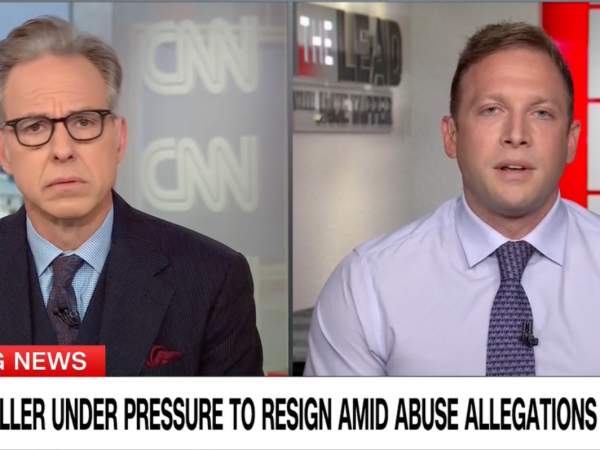

I break down some of the details in tonight’s edition of Where Things Stand here. It’s the third item in tonight’s newsletter, so just wanted to flag it. It was strange.
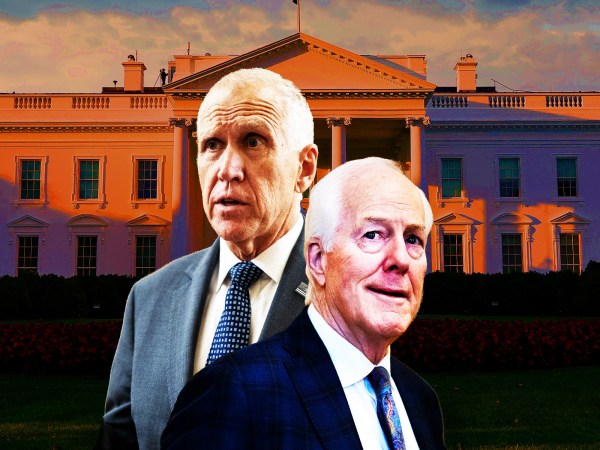


The 2006 midterm is often viewed today as the ur-wave election. Indeed, it’s part of the only example in recent decades of two successive wave elections, something that just 20 years later seems almost inconceivable. What’s less remembered is that almost to the very end of the cycle it was considered a very uncertain thing whether Democrats would be able to retake control of the House of Representatives, which they hadn’t controlled since the 1994 blowout. In fact, if you looked at the numbers — polls, special elections, etc. — it had been pretty clear what was coming for months. To explain this discrepancy — how official D.C. had missed what was coming — many focused on the Foley Scandal which broke in September 2006. (Mark Foley, a lightly closeted House Republican got in trouble for what we’d now call sexting with underage male pages in the House page program and was forced to resign.)

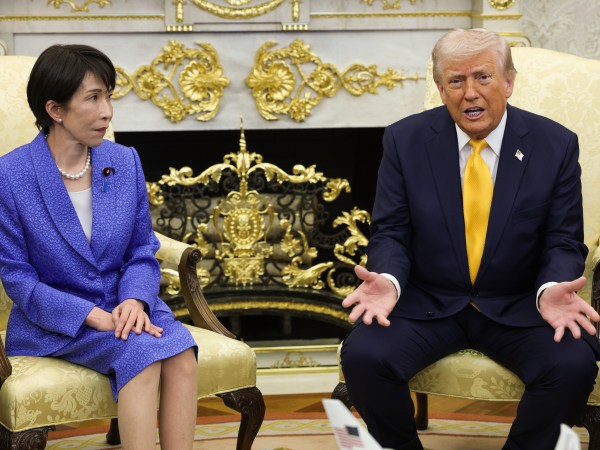
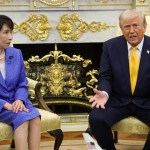


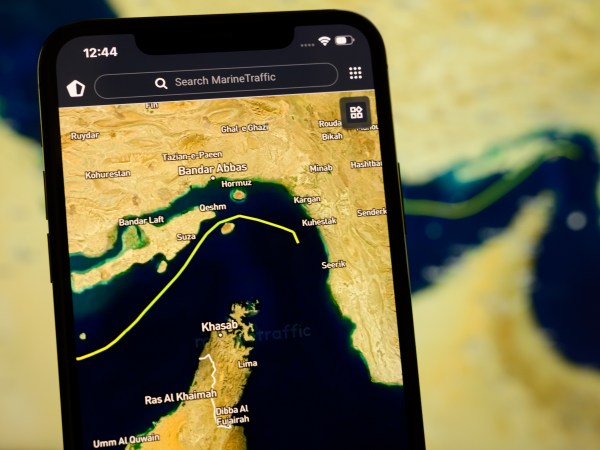

President Trump is now demanding that Iran reach a deal with Oman on the Strait of Hormuz as soon as today or face devastating attacks from the United States. On its face, you can put this in the same bucket of Trump’s last six months: threats about ending Iranian civilization or committing various war crimes or whatever. But this is actually an example of how deep a hole the U.S. is now in, and how rapidly it’s sliding into conceding a system of post-war Iranian tolls on the Strait as a given.
What Iran and Oman are negotiating is an interim agreement in which they will jointly manage a system of tolls (calling them “service fees”) over what is an international waterway. The White House would certainly point out that this is a temporary rather than a permanent deal. But something so fundamental conceded in a provisional or temporary agreement is seldom withdrawn in a final accord. The mix of control and revenue this provides to Iran amounts to a massive strategic gain from the war Trump began back in February. But it seems well on the way to becoming a given in U.S. post-war plans.
In response to last week’s post about AI data centers, I got this fascinating response from TPM Reader RK. Very interesting details and nuanced. But mostly I find it fascinating because it complicates the storyline by placing the data center rebellion in a line of continuity with earlier opposition, in the same or similar communities, to efforts to build wind turbines or solar arrays — stuff liberals obviously think is great.
Read MoreIntrigued by this post, as I’ve spent the past 2+ years lurking at township halls in Michigan, working on a book about the rising backlash against big companies with big plans to transform how land is used in rural communities.
It didn’t start with data centers. I was originally interested in how rural communities are pushing back hard against solar and wind farms. In Michigan, you have Gov Whitmer pushing a clean energy agenda, which requires vast swaths of open land. It takes a lot of real estate to replace an oil or gas plant with a solar or wind farm, and that much open space is not available in cities or suburbs. So you wind up in rural areas where voters lean conservative, are skeptical about climate change, and would prefer to see their pleasant landscape left alone. Lots of yelling, recall elections, angry rhetoric as formerly sleepy town halls turn into sights of intense conflict.