


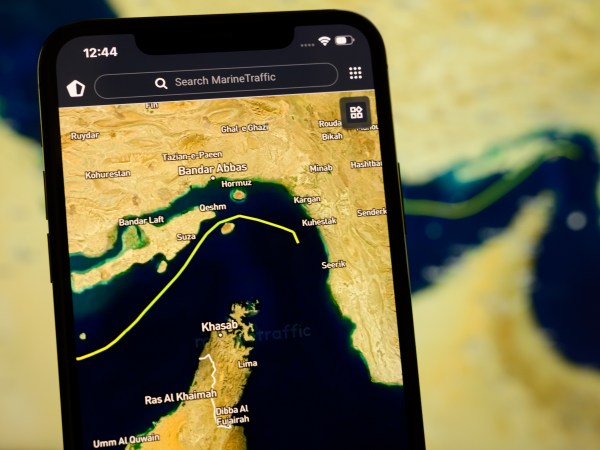


Living as we must, in history, it is always important to distinguish between the mostly contingent events of the moment and the deeper trends that will affect the future. Call it, perhaps, the difference between the libretto and the score. I was thinking about this while I was trying to make sense of the latest jousting over the Strait of Hormuz. Trump remains in the same space, having gotten himself into the crisis with no plan for how to get out of it. He’s now making limited efforts to contest control of the Strait. Iran says it remains completely in control of it. But, in a way, that’s a trap for Trump, because if passage through the Strait requires using military force, it’s precisely the use of military force, the danger and uncertainty it creates, which makes it impossible to use the Strait as a secure and safe means of transit. Force may be the medium-term answer to Trump’s problem. But in the short term it makes things worse. And Trump’s not a delaying-gratification, thinking-long-term kind of guy.
But the deeper impact of this crisis, one entirely of Trump’s own making, has been to convince many countries, especially but not only in East Asia, that oil and gas are too vulnerable to price shocks and supply instability. Meanwhile, renewables like solar and wind have now crossed the threshold where they are not only simply cheaper than fossils fuels but, as a tech product, will continue to get cheaper over time. Wind and solar energy can be produced entirely within your sovereign borders. So the Strait crisis is looking like it may be a turning point in the climate/renewables energy transition.
Read MoreThis is just a short follow-up on the topic of administration vs. ownership, which I discussed yesterday. There’s a huge amount of ground to cover in just how much Donald Trump has willfully and illegally destroyed in his second term, acts which go to the heart of the idea that the president, elected merely for a four year term, owns not only the government but in a sense the country itself. I discussed this with regards to USAID, the Department of Education and so forth. But nowhere is it more clear or is the damage more permanent than in biomedical research and the sciences. There the administration, wholly illegally, has blasted through institutions and processes and national assets that took decades and generations to build. These are latticeworks of expertise, money, experience and connections between the government and the nation’s research universities. They have not only created huge advances in hard sciences and cures. They’ve been been a generator of national power and economic might. A president hired for a four-year term had no legal right to destroy these things the American people had created.
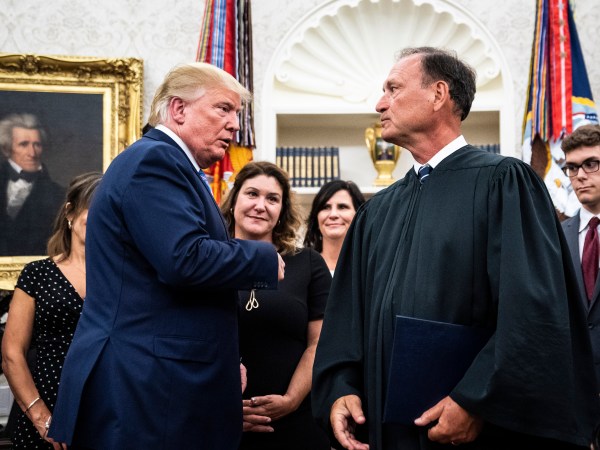

Trump’s ballroom is getting a huge chunk of money in Senate Republicans’ new reconciliation bill, released late last night. That’s the headline today on many pieces about the legislation.
And it is important: the White House insisted that private donors, not taxpayers, would foot the bill for the ballroom. Now, through a vote where — due to Senate rules — Republicans do not need Democratic support, senators will in fact direct $1 billion of taxpayer funding to security features for the project, which, at times, seems to be all Trump truly cares about.
We, however, have been emphasizing another point about this legislation: it lasts for three years. That means if Democrats retake the House or Senate or both later this year, they’ll be deprived, via this reconciliation bill, of a key mechanism for reining in ICE and CBP: funding. The Constitution equipped Congress to check the executive branch via its power of the purse. This reconciliation bill is just the latest example of Republicans doing all they can to shrug off that responsibility.