


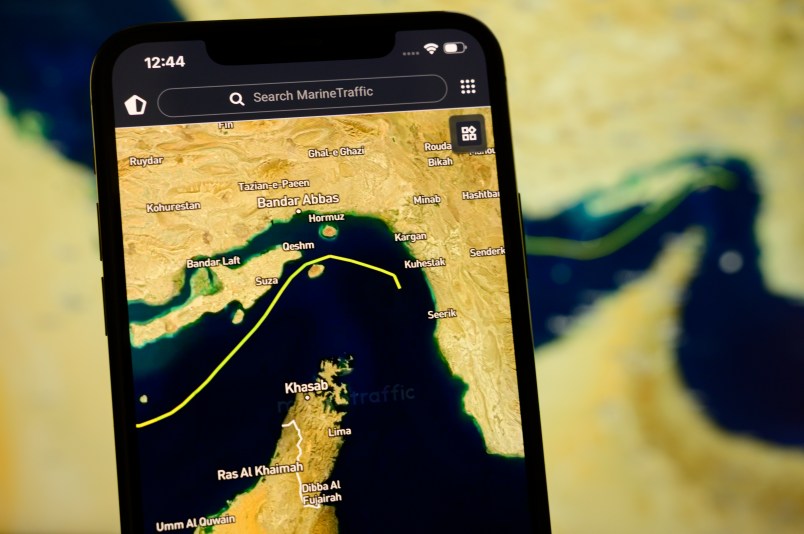
Living as we must, in history, it is always important to distinguish between the mostly contingent events of the moment and the deeper trends that will affect the future. Call it, perhaps, the difference between the libretto and the score. I was thinking about this while I was trying to make sense of the latest jousting over the Strait of Hormuz. Trump remains in the same space, having gotten himself into the crisis with no plan for how to get out of it. He’s now making limited efforts to contest control of the Strait. Iran says it remains completely in control of it. But, in a way, that’s a trap for Trump, because if passage through the Strait requires using military force, it’s precisely the use of military force, the danger and uncertainty it creates, which makes it impossible to use the Strait as a secure and safe means of transit. Force may be the medium-term answer to Trump’s problem. But in the short term it makes things worse. And Trump’s not a delaying-gratification, thinking-long-term kind of guy.
But the deeper impact of this crisis, one entirely of Trump’s own making, has been to convince many countries, especially but not only in East Asia, that oil and gas are too vulnerable to price shocks and supply instability. Meanwhile, renewables like solar and wind have now crossed the threshold where they are not only simply cheaper than fossils fuels but, as a tech product, will continue to get cheaper over time. Wind and solar energy can be produced entirely within your sovereign borders. So the Strait crisis is looking like it may be a turning point in the climate/renewables energy transition.
Join TPM to get full-access to our reporting, newsletters, and other member-only features.