


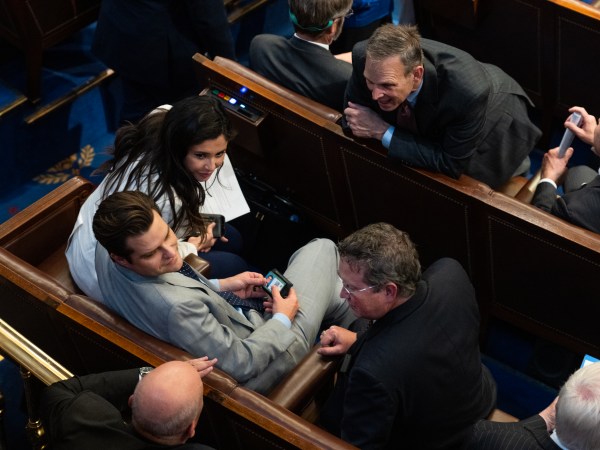
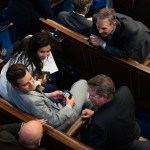

One of the many surprising things in the floppy and shambling political career of Colorado’s Lauren Boebert is that she has always been full freak show, a full Freedom Caucus stalwart, despite being from a GOP-leaning swing district. We expect the crazies to be from lopsided Republican districts where they’re never going to face any real price for their antics. But something’s caught my eye over the last week or so. There are actually three members of the Freedom Caucus who appear to have real races on their hands at the moment.
Each race is different, both in how serious a challenge the individual rep faces and in how much evidence we have to suggest they could be in danger. So let me go through all three.
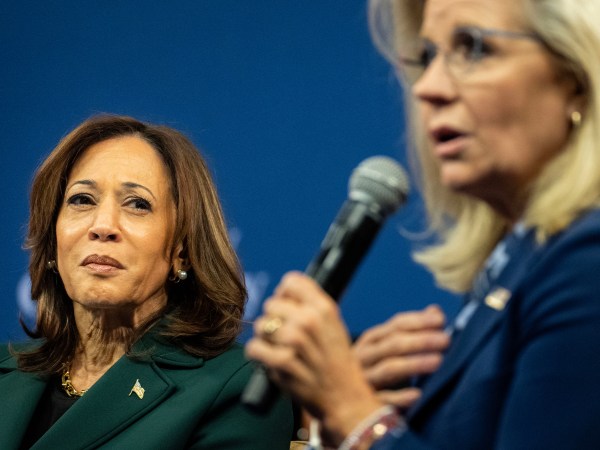




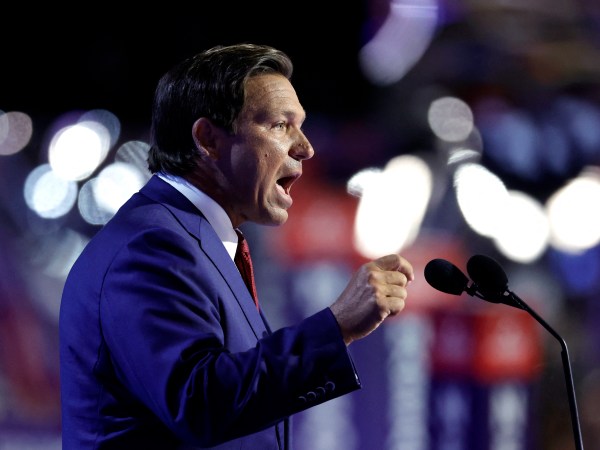
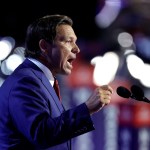
We’ve spoken a number of times about the Republican ground game, or Get Out The Vote efforts. Just to review again, the Trump campaign made the decision to take GOTV operations away from the RNC and outsource it to a series of pro-Trump super PACs. The question now is: did the gamble pay off? Have the super PACs been able to field a solid ground operation or perhaps create one even better than the one the RNC would have created?
Read More
I get this question a lot: are right-wing pollsters flooding the zone? So I thought I would answer it generally in a single post.
Are they? Yes, they definitely are. But there are some important caveats and qualifiers to know to make sense of the whole story.
Just to review the basics: There are a series of Republican or right-wing pollsters who are overtly partisan, use questionable or floating methodologies and pretty clearly release polls not as a predictive enterprise but to produce friendly numbers for Republican candidates. The worst offenders are places like Rasmussen, Trafalgar, InsiderAdvantage. We know this from a mix of a lack of transparency about methodology, general behavior that betrays a goal of shaping election perceptions and outcomes rather than measuring public opinion, and extreme “house effects” — the tendency to favor a particular party’s candidates over the other’s relative to what most pollsters are finding — that support their agenda. After those, there’s a larger penumbra of often less-known pollsters who don’t appear to be as flagrant, but generally seem to be in the same category.