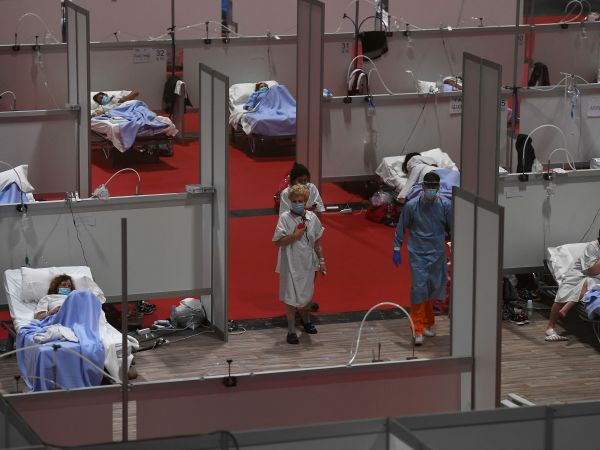





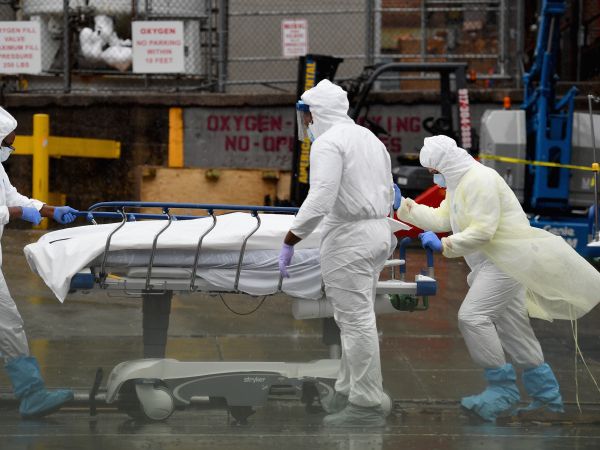

How deadly is COVID19? The question has mobilized countless researchers, become a political football around the globe and probably occurred to and triggered fear in the minds of most members of the human species. The question can be posed in various ways. But the closest to what people likely mean by it is what epidemiologists call an ‘IFR’, an infection mortality rate. That is to say, the percentage of people who will die from COVID19 after being infected by it. That’s different from the number of ‘cases’ since some infections never show symptoms and many never get recorded in any medical or governmental dataset.
The epidemic in New York City allows us to make initial calculations which, though imperfect, move us toward a real estimate as opposed to inferences, history and guesswork. For each variable in the formula we have an actual number based in science and quality record keeping, even if each is subject to substantial uncertainty and revision.
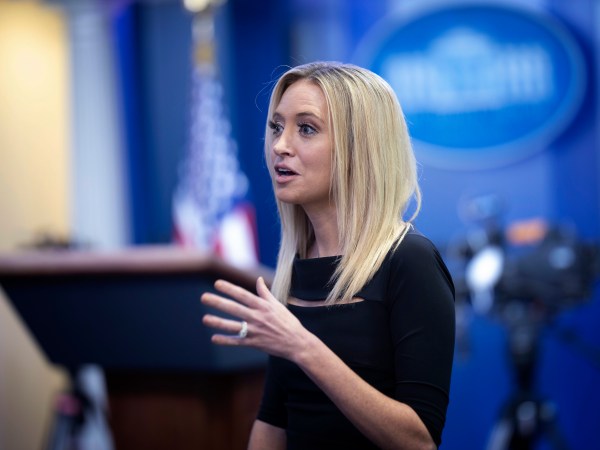

After her predecessor rounded out her tenure as White House press secretary without holding a single press briefing, Kayleigh McEnany will hold one of those now-rare Q&A’s with reporters from the White House podium today. Read More


As a non-expert I’ve struggled over the last week or so to make sense of the status of the pandemic in the United States, but overnight a top expert laid things out in as clear a way as I’ve seen in a while. You probably know Jeremy Konyndyk as a disaster preparedness expert who served in the Obama administration and has since become a prominent voice on the U.S. COVID-19 response.
His rundown of why things aren’t getting dramatically worse but also aren’t getting any better helps pull together the various contributing factors to the brutal daily death toll at which we seem to have plateaued. By his own admission, it is not an optimistic assessment.