

You’ve probably seen these reports of an employee of the AI company Anthropic who quit his job and issued a warning on X that suggested AI could, in next few years, escape control and lead to the extinction of humanity. These sound like not just wild but science fiction-type claims. And they’ve lurked around frontier AI labs for years. It’s one of the many weirdnesses of the AI world and those who lead it. The basic pitch: AI is awesome. We need to built it as quickly as possible. Also it might lead to human extinction. Quite an attractive offer! There’s always been a strong sense among many observers that these claims or suggestions or warnings are part of the AI hype machine itself, albeit of a kind of contradictory or paradoxical variety.
But this warning by the ex-Anthropic employee, Jacob Coxon, seems different and is unquestionably being reacted to very differently. That’s the one part of this that is new and real – the reaction to this warning/comment etc is much bigger and operating in the tech, financial and general media. Wired has a good interview with him here. (I think you can read it as a free article if you haven’t read other Wired articles this month.) The gist is that Coxon says it’s imperative to create a regulatory structure, or at least an ad-hoc agreement that can slow the competition between OpenAI and Anthropic, the two most advanced AI engines and research entities. (The inflection point people are focusing on is something called “recursive self-improvement,” which is when this generation of AI model builds the next one.) The problem is that you really need an agreement that brings China into some common framework too. Because they’re in this same hunt, running these same risks, even though I think the common consensus is that Chinese companies are running at least somewhat behind the most advanced U.S. companies. China’s strength has been building models which are only a bit behind the U.S. models but at dramatically lowest costs.






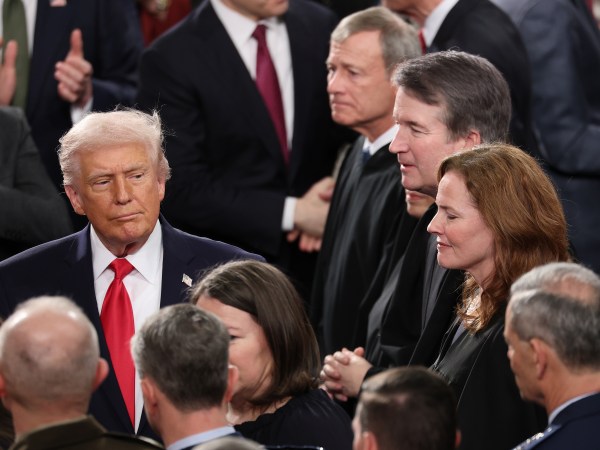
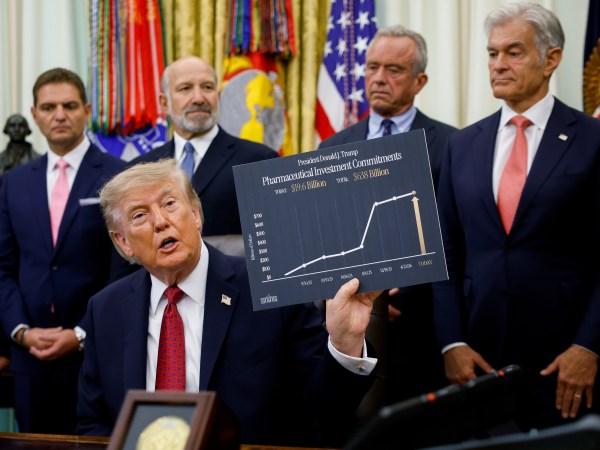

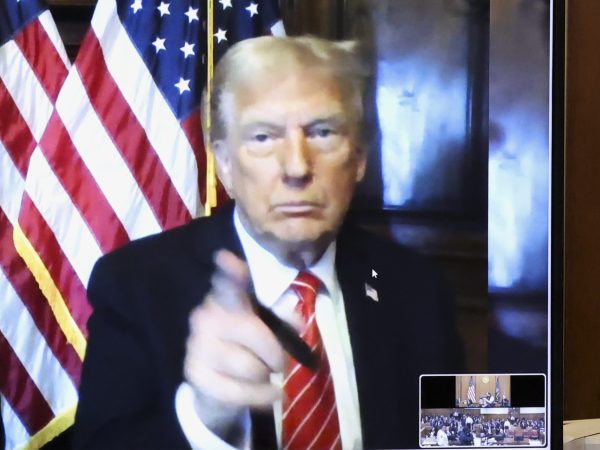

Over the last week, there have been a number of examples popping up on social media of Republicans, often very conservative Republicans in red states, removing President Trump from their campaign websites. It’s not terribly conspicuous. It usually amounts to taking an “endorsed by Trump!” button down and replacing it with some other innocuous tagline, or taking Trump out of a campaign biography. It’s very different from attacking Trump or doing anything publicly. But it still speaks volumes about the political moment, one in which Trump and everything about him if not everything he stands for is politically toxic, even in very conservative states and districts.
It allows us to look a bit over the horizon. What we see won’t surprise us. We probably know it already if we think about it. But it’s worth thinking about. If the midterms go more or less as expected, a lot of Republicans are going to be really, really pissed at Donald Trump. No, I’m not predicting some anti-Trump rebellion or reversion to the pre-Trump GOP. But it will be more than the standard disgruntlement after a bad election cycle. Because a Democratic wave won’t just be the expected thermostatic sloshing back and forth of modern politics. We’re still in a deeply sour public mood in which incumbents are always in some level of trouble. But in this case, Trump has taken step after step almost inviting a major backlash. The tariffs, the disastrous Iran War and resultant high fuel prices, the late fourth quarter trade war with Canada.