


We’ve rebranded our Sum Ups as ‘Weekly Primers’. In case you missed it yesterday, here’s our Weekly Primer on the Battle for Obamacare, every significant development on the health care policy front this week.
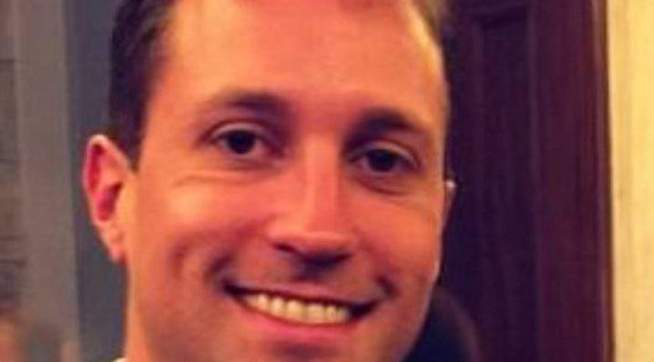
35 year old Benjamin Sparks, a prominent Republican political consultant who has worked for Mitt Romney, Paul Ryan and Scott Walker among others, was engaged to an unnamed woman. Sparks had his fiance sign a five page contract in which she agreed to be his “slave and property,” shortly after they started dating last November. This involved kneeling, looking at the ground while she spoke to him, being nude at all time, engaging in sex on demand at any time and wearing a collar. At the end of March he began to demand that she have sex with other men, while bound and blindfolded, while he watched. She refused. That led to a fight in which he allegedly attacked her. Sparks himself then called the police and then fled the scene. He apparently absconded to Texas where he is currently hiding out while there is a warrant for his arrest in Nevada.
On a visit to the CIA President Trump got irked that agents paused to wait for a targeted terrorist to leave his house before launching the attack so that his family wouldn’t be killed.
I noted yesterday that high profile GOP consultant Benjamin Spark (worked for Romney, Ryan, Walker and many others) signed an agreement with his new fiance for her to be his “slave and property” and do various BDSM-like things around the house. But things broke down when he demanded she have sex with other men, bound and blindfolded, while he watched. She said no. He attacked her. And when the cops showed up, he fled the state, apparently absconding to Texas.
There’s a warrant for his arrest in Nevada. So I figured we’d hear some time yesterday or today that he’d been picked up in Texas. But so far nothing. No updates or news reports I can find. Has he been arrested yet? Have you seen him? Has he enrolled a new woman as his sex slave in Texas? In all seriousness, if you see any updates on Sparks’ whereabouts or arrest, please let me know.
A ton happened in the Russia probe this week. Here’s our 500 word distillation of the critical developments in the past seven days. Give us three minutes and we guarantee you will be totally up to date.

Just out from the Post and Courier …
A South Carolina Republican congressman is not backing down from critics after he pulled out his own personal — and loaded — .38-caliber Smith & Wesson handgun during a meeting with constituents Friday.
666 5th Avenue is the debt albatross hanging around the neck of the Kushner family and threatening to tumble them into bankruptcy next year. They co-own it with a big real estate trust, Vornado. They are apparently buying Vornado out. That means doubling down on the property that is drowning them. Where exactly are they getting the money to do this?

This afternoon I saw a friend on Twitter say that he doesn’t buy the idea that if people just paid Facebook some sort of fee the data and privacy issue would go away. Because he subscribes to the Times, the Post and the WSJ and they each track his readership habits and sell that data to advertisers or make it available to them for targeting. This is at least partly true – I’ll discuss the ins and outs of that point in a moment. But this is a good opportunity to discuss the real relationship between publishers and big data. It’s actually very different than it looks.
First, what my friend says is true. These publications are all in the data collection and sale business. Indeed, TPM is too – not directly at all but because of the ad networks (like Google and others) we have no choice but to work with. The key on the main claim is that the issue is one of diversity of revenue streams. Each of those big publications mentioned has at least three big revenue sources that are relevant to this conversation. They have premium advertisers for which the kind of data we’re talking about has limited importance. They also have subscriptions. The final bucket is made up of advertising that is heavily reliant on data and targeting. Read More
Some points, which are simple but critical, get overwhelmed by rhetoric and lies. Nowhere is this truer than in the Trump Era immigration debate. To listen to the White House, virtually the entire question is one of domestic crime, gangs, and national security. That applies to border security, control over the Southern border, and monitoring of immigrants (legal or otherwise) within the United States.
There are many good or reasonable reasons for a country to control the process of immigration into its borders. Mainly those are economic – both the possible positive and negative consequences of immigration at different levels. But by and large, there is really no evidence that permissive or restrictive immigration policies have any effect on criminal activity within the United States at all. Indeed, what evidence we have suggests that immigrants and first-generation Americans are less apt to commit crimes than native-born citizens whose history in the country stretches back generations. Read More