


From the Atlanta Journal Constitution:
Phoebe Putney Health System’s flagship hospital in Albany, a city anchoring southwest Georgia, has exploded with possible COVID-19 patients in the last five days. The hospital now houses 65 patients who’ve either been diagnosed with the disease or are waiting for tests to confirm the diagnosis. That’s just the inpatients; 115 more with less severe symptoms are at home, waiting for test results. The hospital released the numbers along with a plea to speed up testing.
Read More
As we’ve moved into the shocking events of March one of my central experiences has been what I would call time dilation. My experience of the passage of time has changed radically. Some of this is the mundane fact that many of the markers of my daily life are falling away or shifting — getting the kids out the door in the morning, getting up and going to work, hitting the gym in the afternoon, various small trips around my neighborhood. Far more though it is what I suspect many of you have experienced: an escalating series of events none of us have any lived experience with and which most of us, I think, could scarcely imagine would ever happen. What’s unthinkable Thursday is quaint by Sunday. Such rapid shifts in our perceptions of the world and reality we’re living in are profoundly disorienting. I suspect more disorienting than many of us yet understand simply because there’s no respite from the rush of events.
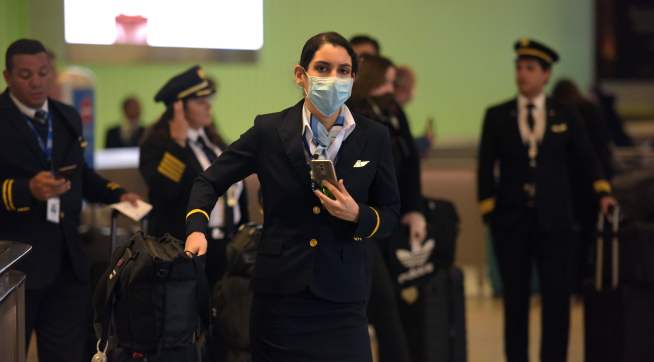
As folks struggle to get their heads around how long the fight to “flatten the curve” might have to last to be truly effective, Josh Kovensky has a new story out framing up how to think about an essential paradox of the fight against COVID-19.
All else being equal, a successful mitigation strategy will tend to require sustaining extreme measures for longer than if we simply endure a short, fast, and brutal blitz of cases that overwhelm the health care system. As Josh puts it, it’s the difference between a tsunami and an extended high tide. Understanding that dynamic helps to begin to come to grips with how long the current disruptions may have to last.
That said, some expert readers responded to the story noting some other advantages to slowing COVID-19 down. They make some good points.
This is a brief note about adding a new data source to the COVID-19 Crisis links you now find below every Editors’ Blog post. It’s more for the record and to refer back to. No big need to read unless you’re interested in evaluating data sources in general.
Today’s White House press conference with the President and other members of the COVID-19 team just concluded. It seems like someone had a serious talk with the President or perhaps he had a serious talk with himself. Because his affect seemed significantly different from what we’ve seen in other appearances. More orderly, less stupid, more candid. For the first time he shifted to the message that we’re not focused right now on the stock market – which lost 12% of its market today on the S&P. Once we’re through the health crisis the market will rebound, he said. Whether that’s true or not, it’s at least the right message.
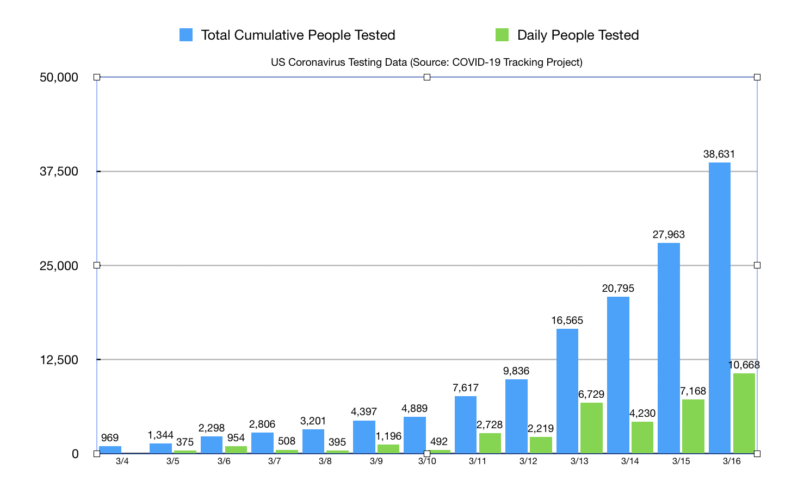
We’ve all learned the critical role of testing capacity for the current national crisis and how far behind we are. There is some tentative good news on this front. The number of tests being conducted is rising rapidly. They are moving into the ballpark of daily testing numbers in South Korea, though of course the US has a population roughly six times greater than South Korea. Here are the very latest numbers compiled by the COVID-19 Tracking Project.

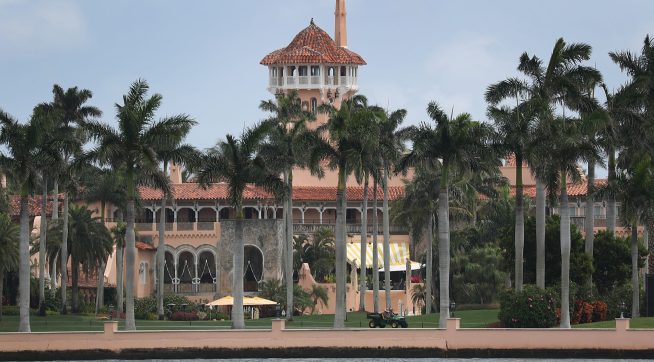
While it’s not quite 1600 Pennsylvania Avenue, this is still a big deal.
Join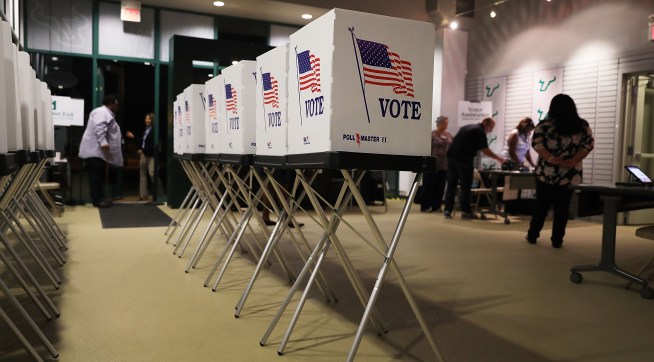
A few states in the West already have mail in voting that appears perfectly suited to a possible pandemic era election. States around the country, while managing the crisis response to the outbreak itself need to be into discussing, planning and implementing new plans for the November elections. Under normal circumstances this wouldn’t be nearly enough time. Obviously these are far from normal circumstances. And seven-plus months is just enough time to make major changes. The country is already in the midst of a profound public health crisis and heading into a deep and likely protracted economic crisis. We must now guard against a crisis of political legitimacy which would not only be a disaster in itself but dramatically compound the difficulty of dealing with the public health and economic crises.
The largest city in the U.S. is closing up restaurants and bars, restricting them to serving take-out only.
We’ve seen similar moves this weekend by the governors of Washington, Massachusetts, California, Illinois and Ohio.
The Governor of New York and Mayor of New York City have announced the city’s schools are closing down. It appears they are still figuring out plans to leave some facilities open for meals, children of critical workers, etc.