
Yesterday in my wrap up of the primary results out of Colorado I said that incumbent Sen. John Hickenlooper had defeated challenger Julie Gonzales pretty handily, though 43% for a challenger is still very, very high against someone so entrenched in the state’s politics. The last time I’d looked it was roughly 57% to 43%, still a big showing for a challenger but a fairly comfortable margin.
It didn’t stay there. We’re now at just over 97% of the vote counted and the margin is 53% to 47%. Horseshoes and hand grenades and all that. And yes, I looked at the numbers and even if it gets closer I believe it is mathematically impossible for Gonzales to catch up. But that’s a much closer margin. And Hickenlooper massively outspent Gonzales, though that’s usually the nature of these races. He could have easily gone down to defeat.
Read More

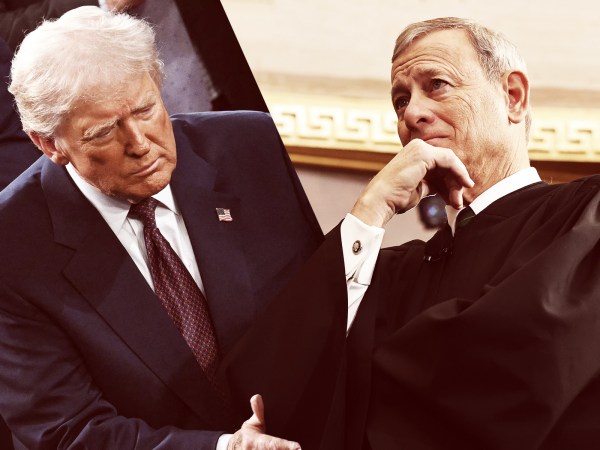





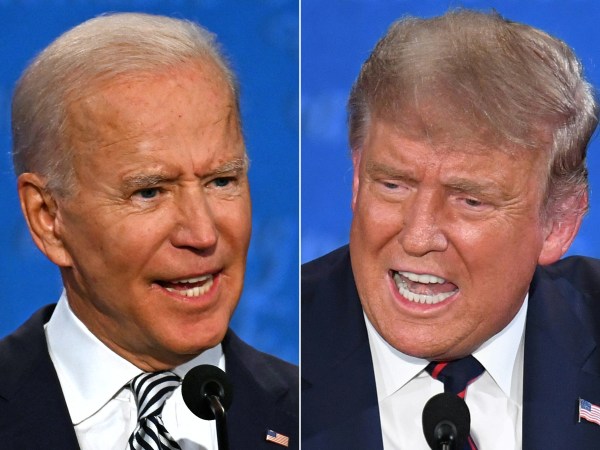

I doubt I’ll get much argument from TPM readers when I say that the Supreme Court’s decision in Trump v United States, the immunity decision, is among the Court’s most corrupt decisions. But even many of those who recognize the fraudulent and anti-constitutional character of this decision still often agree that it would be a bad thing if ex-presidents were routinely or even frequently brought up on charges for their actions as president. Or, more specifically, they think it would be a bad thing if such charges became part of a partisan game of tit-for-tat in which presidents who had not abused their office were brought up on frivolous charges as a matter of partisan payback.
In this post I’d like to ask you to question that assumption. Of course, I don’t want the justice system abused. I don’t want anyone brought up on bogus or frivolous charges. But this is a risk we should be willing to take, and, more specifically, it should be one we ask anyone who wants the job of president to accept.
Read More