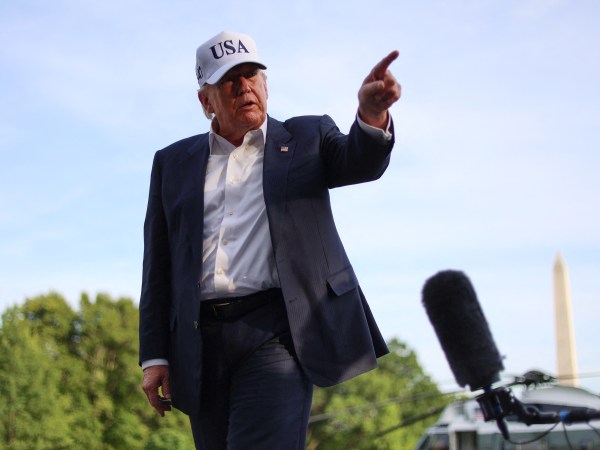
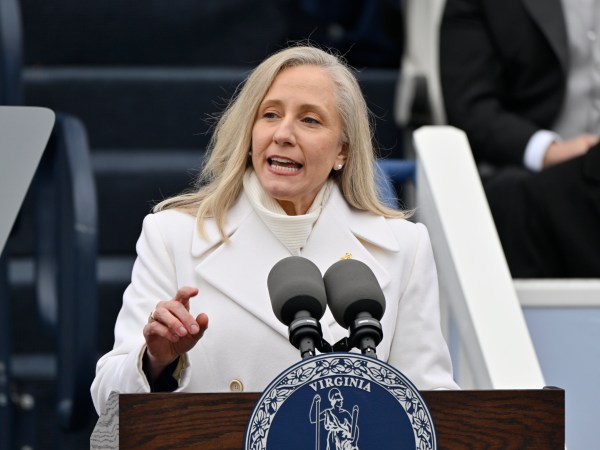
As some of you may have seen on Saturday, we’ve made some changes to our Weekender newsletter. We want to use it as a space to step back from the 24-7 news cycle to reflect on What It All Means and write about some of the entertaining, strange, surreal elements of our politics and political culture that we don’t always get to cover on-site. (It’s the weekend, after all!) We’ve also introduced some recurring segments, including No Words (an image that captures the spirit of the week), From TPM’s Group Chat (social media posts that made the staff chuckle or raise an eyebrow), Trivia Time (a little mini news quiz) and more.
I’ll be leading up the new Weekender alongside our Head of Product Derick Dermaier, and you’ll also still regularly hear from our other editors and reporters, including the indefatigable Nicole LaFond, who often anchored the Weekender in the past. She’ll also be helming Where Things Stand for you Monday through Thursdays.
Please give me a shout at allegra@talkingpointsmemo.com if there are things you love/hate about the look or content of the new Weekender.
And subscribe here to get it in your inbox on Saturday mornings!
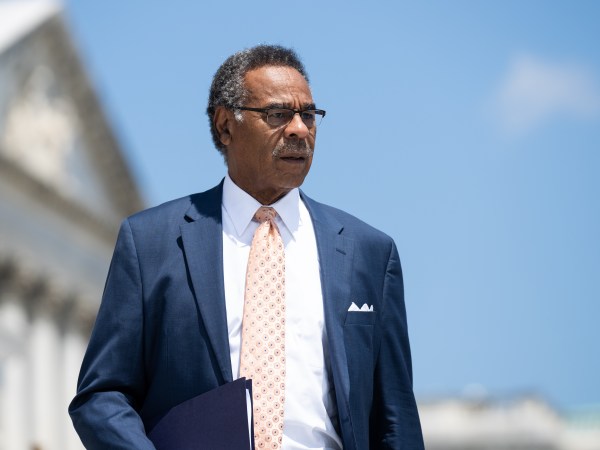

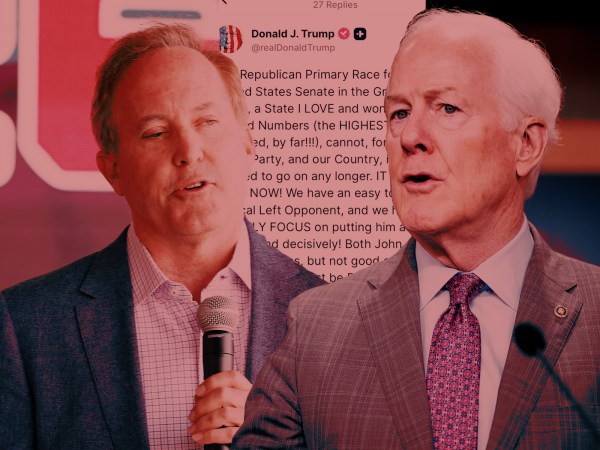









The more I speak with people both in the political world and in what I’ve called the legal academic-judicial nexus, the more I see just what a sea change is underway about Court reform. It’s come in successive waves: Dobbs, the immunity decision, Callais. There are various models of reform. But I don’t know anyone who has seriously considered the matter who thinks that you can have serious reform without expanding the Court. In these conversations, a few people have raised the question: what if the Court rules that a Court expansion law is itself unconstitutional? To put it slightly differently, what if the Court decides that the limits on its authority the Constitution creates, the paths for accountability it creates, are themselves unconstitutional.
This is question that is once absurd but also in a certain specific way important to prepare for.
Read More