









What can be called a “peace process” between Israel and the Palestinians ended with the failure of the Camp David summit and the onset of the Second Intifada in late 2000. Over the subsequent years, as settlement activity continued, it became increasingly common, especially among the more hard-bitten and realist-minded, to say that the time had run out on a so-called “two state solution.” From different quarters this verdict had different meanings. For Israeli maximalists it was a concluding judgment on the folly of the Oslo Accords and refusal of territorial concessions. For Palestinians it signaled a rejection of territorial compromise born of disappointment with the failure of Oslo. More concretely it was a simple statement of the reality on the ground. The West Bank had become so shot through with settlements — not just the large agglomerations along the 1967 border but lines of control reaching much deeper into Palestinian areas — that it simply wasn’t possible to create a viable state even if there was the will to create one. And quite clearly there wasn’t the will to make one.
On the Israeli side, the Oslo Accords had been born of a strategic recognition on the part of significant elements of the Israeli national security establishment. It wasn’t possible to keep the West Bank and Gaza Palestinians in a permanently stateless/occupied status. Nor was it possible to absorb them into Israel since Israeli Jews would cease to make up the overwhelming majority of the population. The years between 2000 and 2008 represented a kind of back and forth holding pattern. Benjamin Netanyahu’s return to power in 2009 was based on a very different premise: that the Palestinian issue could be managed indefinitely rather than resolved and with no major repercussions.
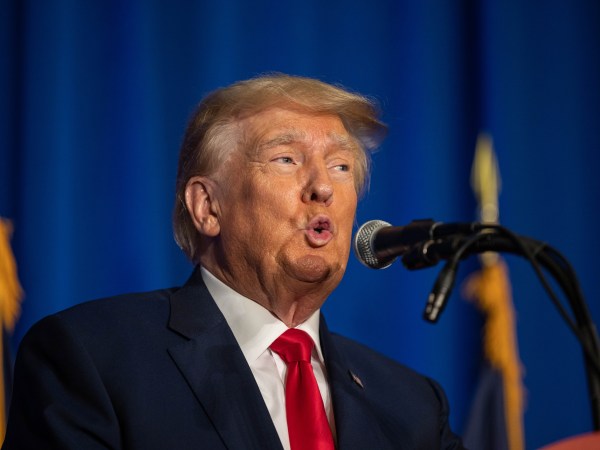

One thing that is obscured into the current chaos and killing in Israel/Palestine is that the current government is essentially paralyzed. Benjamin Netanyahu remains Prime Minister despite a catastrophic loss of public support tied to his failure to prevent the October 7th massacres in southern Israel. In theory there’s a government of national unity now in place, with a war cabinet made up of Netanyahu, Defense Minister Yoav Gallant and Benny Gantz, one of the two main leaders of the opposition. But just how much control Gantz, a former IDF chief of staff, is exercising is unclear.
Meanwhile many government ministers have been close to invisible since the war started. Some basic news about government policy comes out in the US first and only then gets reported in Israel. I should add that from a distance and without a subtle grasp of the textures of Israeli politics it’s difficult for me to judge the extent of this invisibility. But I’ve asked this question of numerous Israelis whose opinion I trust and all seem to agree with this basic read of the situation.
Read More