



Over the last 24 hours we have had 121 more TPM Readers contribute to this year’s drive for The TPM Journalism Fund. Thank you. This keeps us moving toward a successful drive. Why is this important? Click here. Ready to contribute? Click here. And again, thanks from all of us.
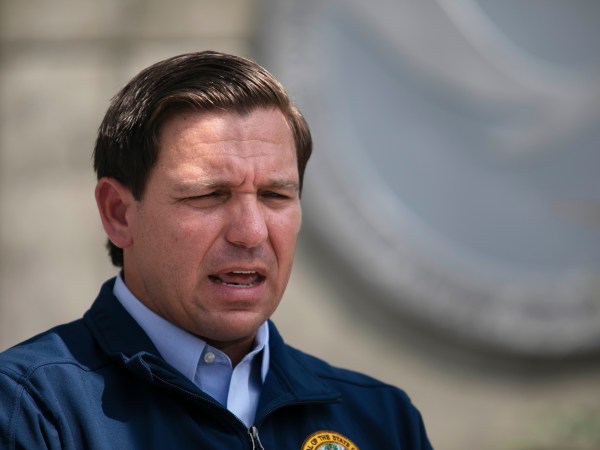



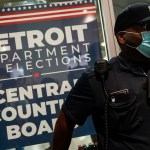
The majority of Americans can see right through the intentions of the ongoing and impending “audits” of the 2020 election springing up around the U.S.
But a decent chunk — 37 percent — also think that voter fraud is a major problem in the United States.
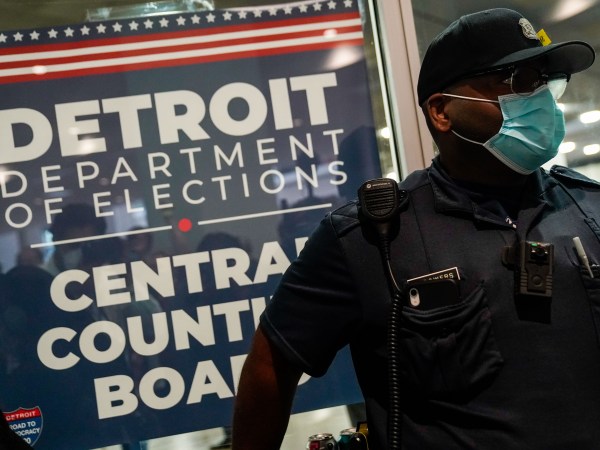
We’re about to record this week’s edition of the podcast and we’ll be talking about the on-going trials and tribulations of H1/S1, the For the People Act. Yesterday, to quasi-great fanfare Joe Manchin finally agreed to support what was in essence his own compromise version of the bill. Then Republicans unanimously refused to allow a debate over the bill. And that was it.
Or was it it?
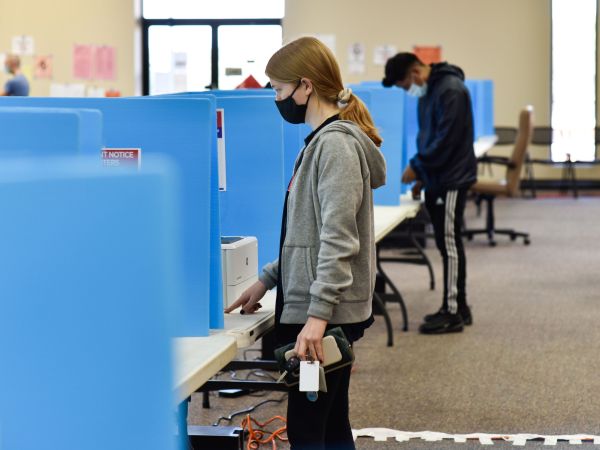


New York City held its mayoral primaries yesterday. Republicans nominated 70s/80s throwback Curtis Sliwa, a choice that is likely to have zero impact on the final choice of the next mayor. The real battle took place within the Democratic primary. The winner of the primary and what it means for a run off won’t be clear until mid-July – an almost absurd result of the confluence of ranked choice voting, which is being used for the first time in the city, and generous absentee ballot rules. But the clear leader so far is Eric Adams, a retired police captain who is currently the Brooklyn Borough President. The current results are Adams 32%, Maya Wiley 22%, Kathryn Garcia 20% and Andrew Yang 12%.
Adams is black. He ran on a pro-police, pro-law enforcement platform. Polls suggest his key bases of support were black voters, voters without a college education and voters who don’t reside in Manhattan. He had strong support among the city’s unions and is in many ways a traditional machine politician.