

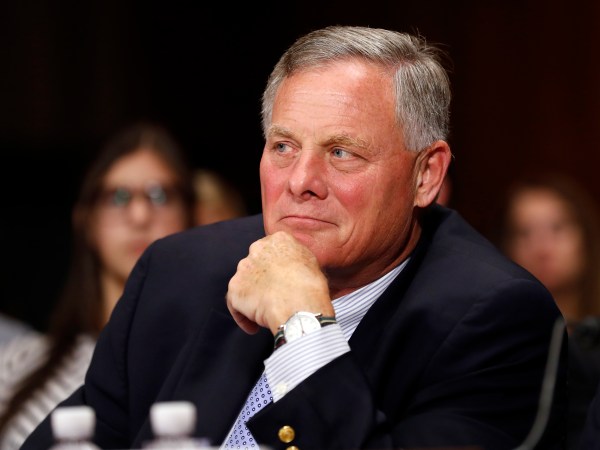

FBI agents executed a search warrant Wednesday night at the Washington, DC-area home of Sen. Richard Burr (R-NC), the LA Times reports. They reportedly seized Burr’s cell phone as part of their investigation of stock trades he made while getting COVID-19 briefings as chairman of the Senate intel committee. The stock trades occurred before the full scope of the pandemic threat was publicly known in the United States.
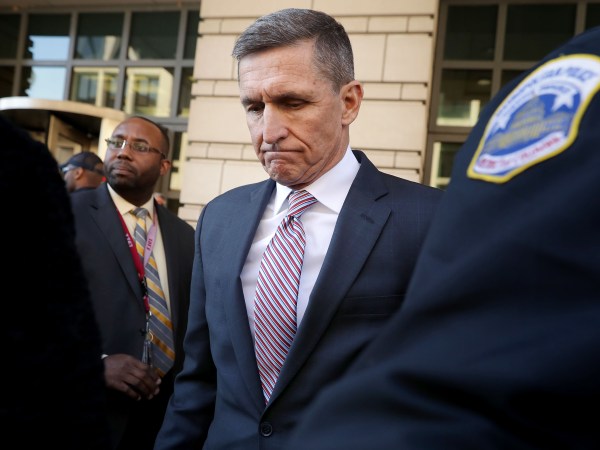
Federal judge in Mike Flynn case appoints retired judge to brief him on whether Flynn should be held in criminal contempt for perjury.



As I noted below, we are now getting sufficiently dense data on the genetic lineages of COVID19 to map its introduction and spread within the United States – both in time and geography. The preliminary evidence suggests the epidemic in New York City began after COVID was introduced from Europe in mid-February. Perhaps there were isolated introductions earlier. Given the scale of international travel in and out of the city it seems hard to imagine there wasn’t. But it was this mid-February introduction that took root and exploded, ultimately infecting more than 1.5 million city residents and killing at least 20,000 people. Now that this virological, genomic history is coming into clearer view it is time to consider an alternative history of the epidemic, one in which the US fielded tests two or three weeks before the point of introduction to what would become the epicenter of the US epidemic.




I am generally skeptical of arguments that COVID19 will permanently change the way we socialize, work, travel, seek out entertainment. If anything I think that once there is a vaccine for COVID (the creation of a viable vaccine is not a given but I assume it for these purposes) that people will return to many of these activities with a renewed gusto. The exceptions – and they may be very big ones – are those cases where people decide that new ways of operating are more efficient, cost effective or simply better. This may particularly affect how we work.

