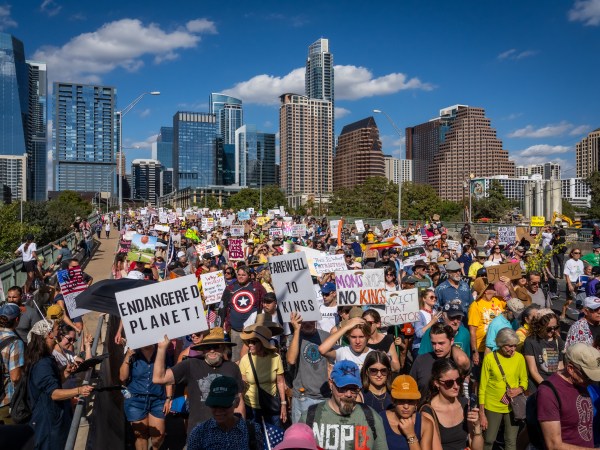

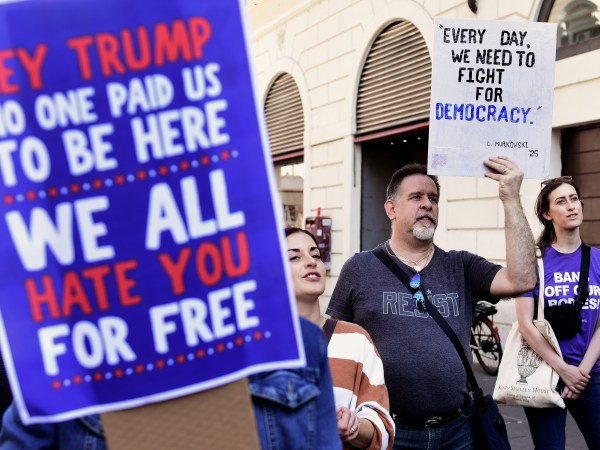
The turnout and character of the weekend’s No Kings demonstrations speak for themselves and at great volume. But I wanted to say something about the naming and the focus of No Kings, which is emerging as something between a protest and a protest movement. It is a great good fortune for the country and the anti-Trump opposition that it has emerged in the way that it has, by which I mean the name itself, a deceptively resonant name and slogan with the deepest possible roots in American history. This brings with it a critical inclusivity, which grows out of the name itself and the lack of those specific and lengthy sets of demands that often characterize and ultimately fracture such movements.
I’ll say a few things here that favorably distinguish No Kings from what we might call “traditional” liberal or left-leaning protests. That includes some of those that featured prominently during the first Trump administration. I’m not disparaging those. It’s simply that this is a specific moment in history and requires an especially broad tent. Its purpose and specific character must be different.
Read More



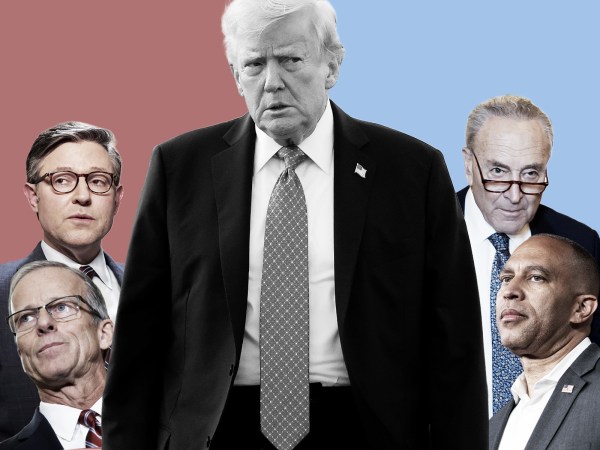
I titled a recent Editors’ Blog post The Age of Monsters. I’ve been thinking about that post and theme again because I keep seeing more confirmation, more evidence of this dimension of the world we are currently living in. I stress again that the idea here is not that these “monsters” are bad people, though I would say that most of them are in varying degrees. The issue is their gigantism. They are so much more powerful than ordinary people, mostly but not in every case because of wealth, that they distort the whole fabric of society and politics. They are like big, clumsy and lumbering oafs who nonetheless have power that make if not the whole game than all the center of gravity be about them.
Read More

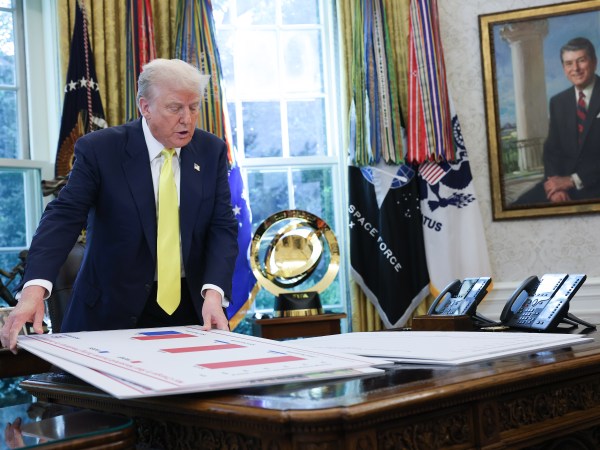





One of the biggest challenges I’ve had in the last nine months and especially since the summer is how to convey both the very brittle, thin nature of Trump’s power and also the scale of the threat his government poses. Jamelle Bouie captured a key dimension of this in a weekend column in the Times: if you wanted to drive the country into literal disunion it’s hard to imagine what you’d do differently than what he is doing right now. He is both rhetorically and (with increasing intensity) literally unleashing the U.S. military on the strongest bastions of opposition to his government (basically blue cities in blue states). He is also canceling more and more of the funding the federal government gives to those states, despite the fact that it is disproportionately funded by taxes from those states. This is definitionally fairly close to warlordism, a broken state in which the leader holds on to power — if not legitimacy — by hoarding state resources for loyalists and depriving opponents of any of them.
I have a deep ideological commitment to the American union. And beyond ideology, red and blue states are largely a fiction. The big red and blue states have huge minorities of the other “side” within their borders. Still, governance on these terms is illegitimate and unsustainable. The only recourse is a much more aggressive use of the sovereign powers of the states than state governments are currently doing.
Read More