


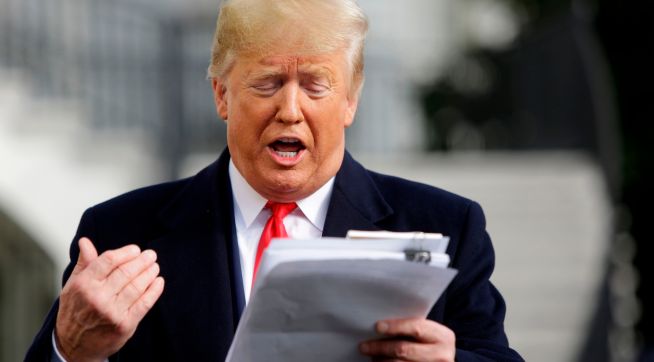
I wanted to share with you a few thoughts about the impeachment hearings which have just concluded.
1. I have grave misgivings about concluding this inquiry without receiving testimony from Mick Mulvaney, Rudy Giuliani, John Bolton, Lev Parnas and a number of others. This isn’t to say that I don’t understand the argument for not doing so. It is a strong logic. Doing so could lead to months of slow-rolling before a judiciary at best disinclined to get between the President and Congress and at worst reflexively friendly to President Trump. It’s also true that the evidence of the core wrongdoing is already overwhelming. By any reasonable standard we know more than enough to merit removal from office. But the layers of wrongdoing beneath that surface layer are, I suspect, profound. It’s not an easy question. But ending the factual inquiry here worries me greatly.
Join
Former Trump NSC aide is about to detonate all of Devin Nunes’ bogus conspiracy theories … to his face, no less. Watch here and follow here.
Join

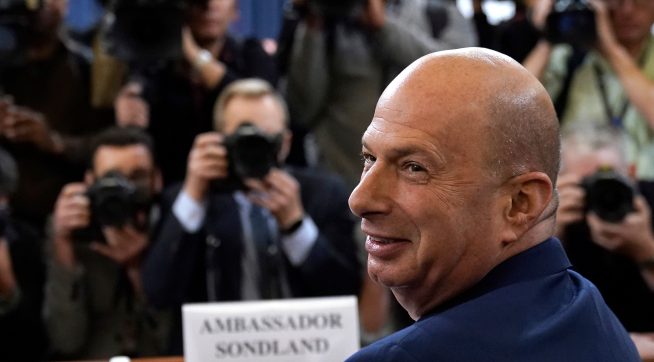
There’s been a lot of talk today about Gordon Sondland underbusing the President or the Vice President or the Secretary of State. Only that’s not entirely right. Close but not quite. You’ll notice this in his insistence that he had no recollection of telling Kyiv Embassy official David Holmes that all Trump cared about was “Biden.” Perhaps Holmes misremembered it. But I doubt it. When it came to key conversations with the President his memory seemed to fray, though he generally wouldn’t dispute the recollections of others.
Join
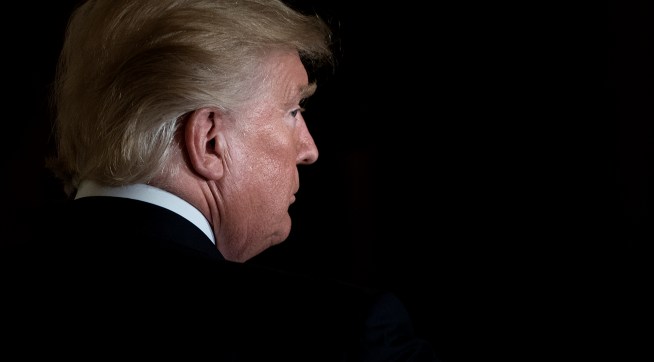
When everything a government official does is directed and authorized by the president, does that really make it rogue?
Join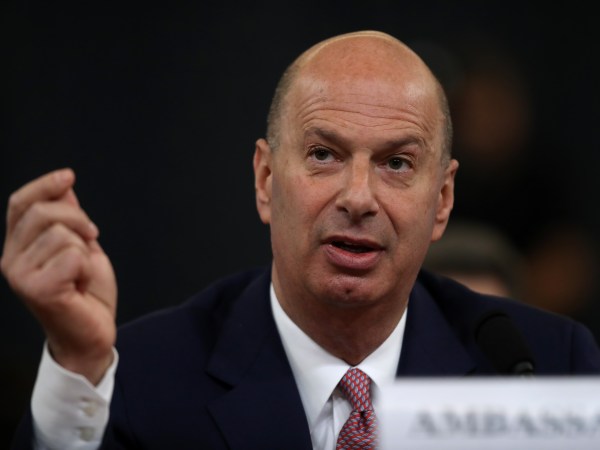
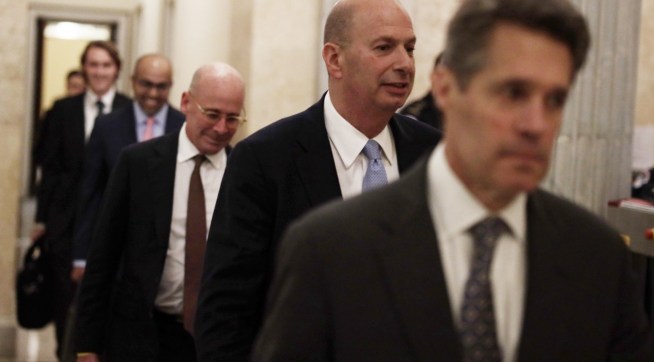
Happy Wednesday, November 20. In perhaps the most highly-anticipated day of the impeachment inquiry hearings so far, Ambassador to the EU Gordon Sondland will testify this morning. Here’s more on that and the other stories we’re watching.
Join
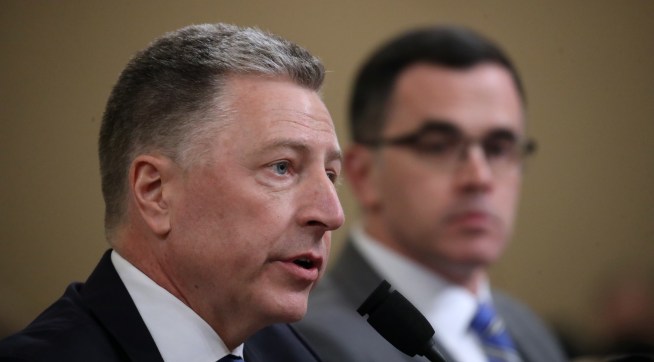
The “we” in the title is admittedly doing a lot of work, as they say. “We” applies to some of us more than others. Indeed, I should say I found much of Amb. Volker’s testimony far short of credible. But if we take his claims at face value he found himself, to use his words, trying to “thread the needle.” He could see that the requests from Rudy Giuliani (and the President) were at least problematic, specifically the focus on the company Burisma and what he now says he should have understood was targeting the Bidens. But if he could interpret these demands in such a way that they seemed facially legitimate (just a general restatement of the need to root out corruption in Ukraine) then he could provide what they were asking for in good conscience and advance the policy aims he genuinely seems to have believed in.
Burisma did have a reputation of corruption and even though he thought the claims about the 2016 election were baseless, what harm would there really be in looking into them? In other words, by adopting a kind of willful blindness to what was actually happening he could try to address Giuliani and Co’s demands with a clean conscience.
This is a microcosm of what the whole country is facing, and especially those involved in running the federal government and its national security functions.
Join
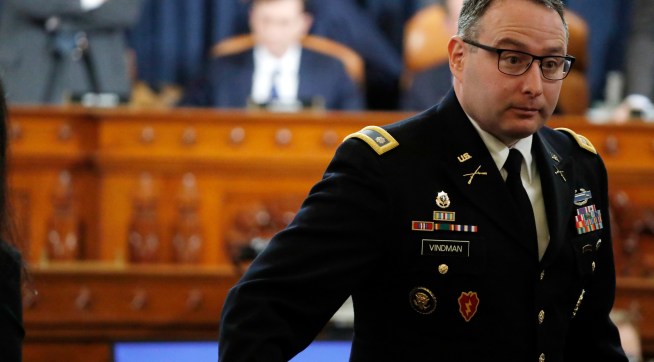
One of the interesting themes of these hearings is the question of who controls US foreign policy: the President or the sum of the “interagency” or bureaucratic policy making process. In a narrow sense it is absolutely right that if all the President’s advisors (in the sense of the sum of everyone at State, DOD, the NSC, Intelligence Community, etc) decide on one policy and the President disagrees, the President’s choice governs. This is elementary. And if you listen to the various testimonies no one who has spoken as a witness has said otherwise. But there’s a part of this that bears closer examination. Because it gets at the underbelly of so-called theories of “unitary executive” power.
Join