

I want to recommend to you this piece on the global water crisis (a subset of the climate crisis) and how that plays out specifically in the American Southwest and the various areas fed by the fast depleting Colorado River. There’s so much that is easy to get horrified by as the climate crisis not only bears down on us but does so faster than even a lot of pessimists expected. It’s in our nature to think of politics as the present just indefinitely spread out into the future. But this piece, an interview with a water use expert, is a view into the radical changes coming for that whole part of the country. It’s certainly bad news for mega-cities like Phoenix which we’ve essentially built in the middle of the desert. But as this discussion makes clear cities aren’t even the main issue. Where the water really goes is to food production. And that’s about to change dramatically because no matter how politically powerful agro-business may be there simply isn’t enough water now to sustain it.
Meet The Sleazebags, Traffic Court Lawyers, Criminal Defendants And Even Some Normal Lawyers Who’ve Helped Defend Donald Trump
Rudy Giuliani
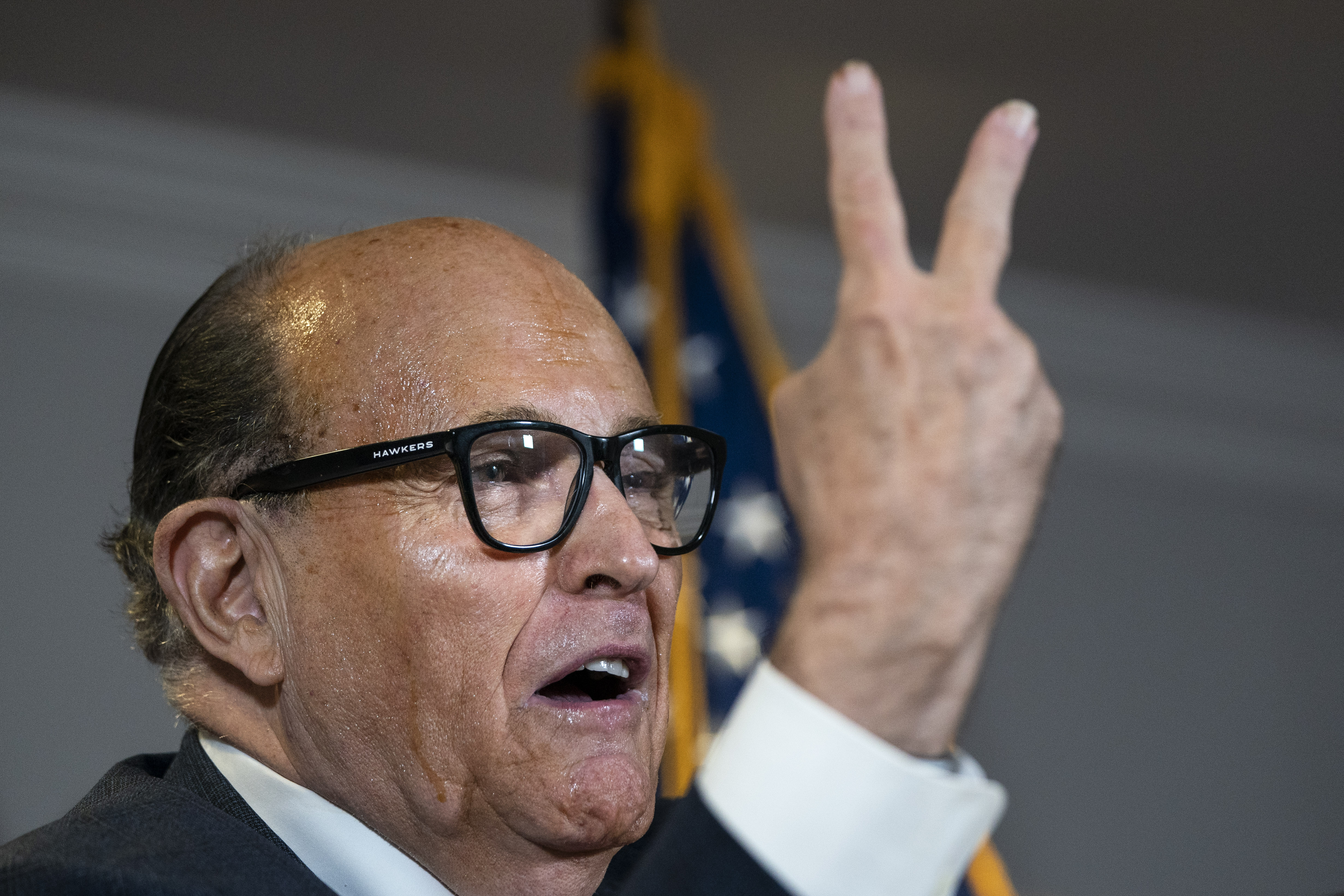
Rudy Giuliani
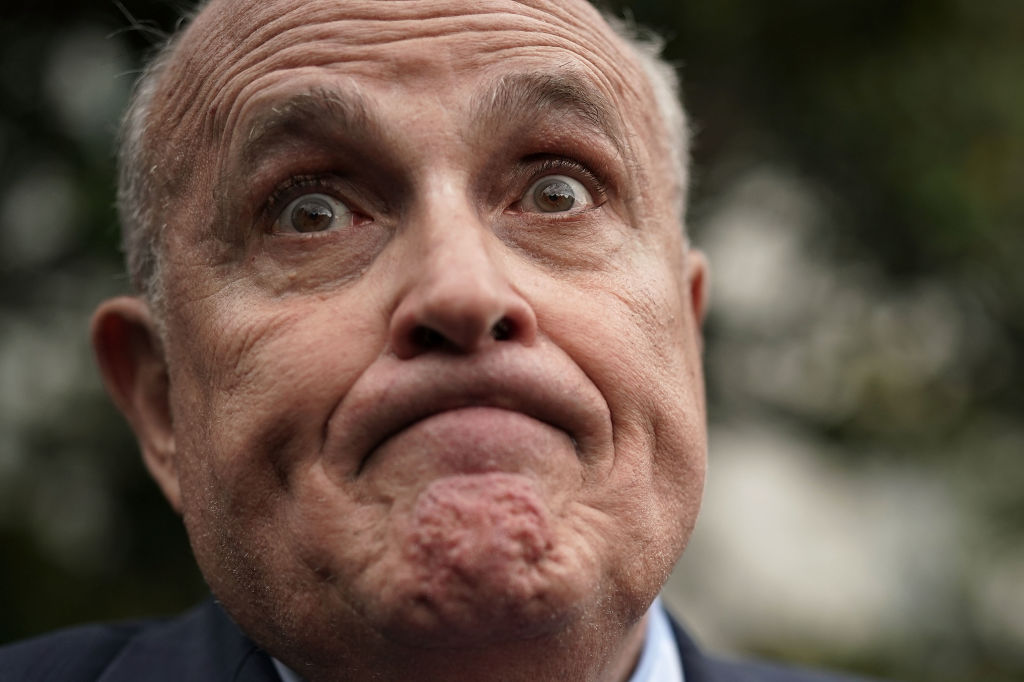
Jenna Ellis
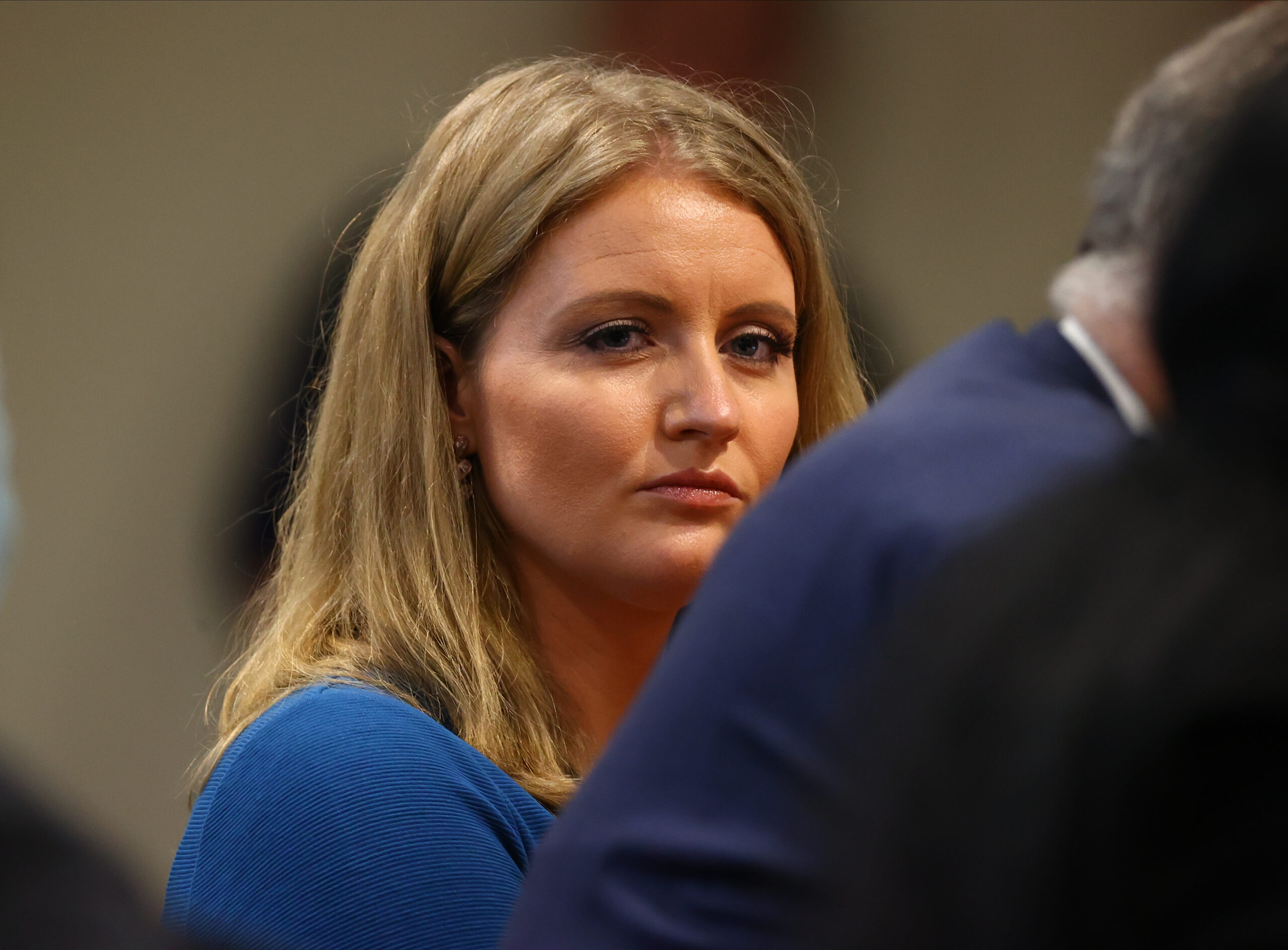
Sidney Powell
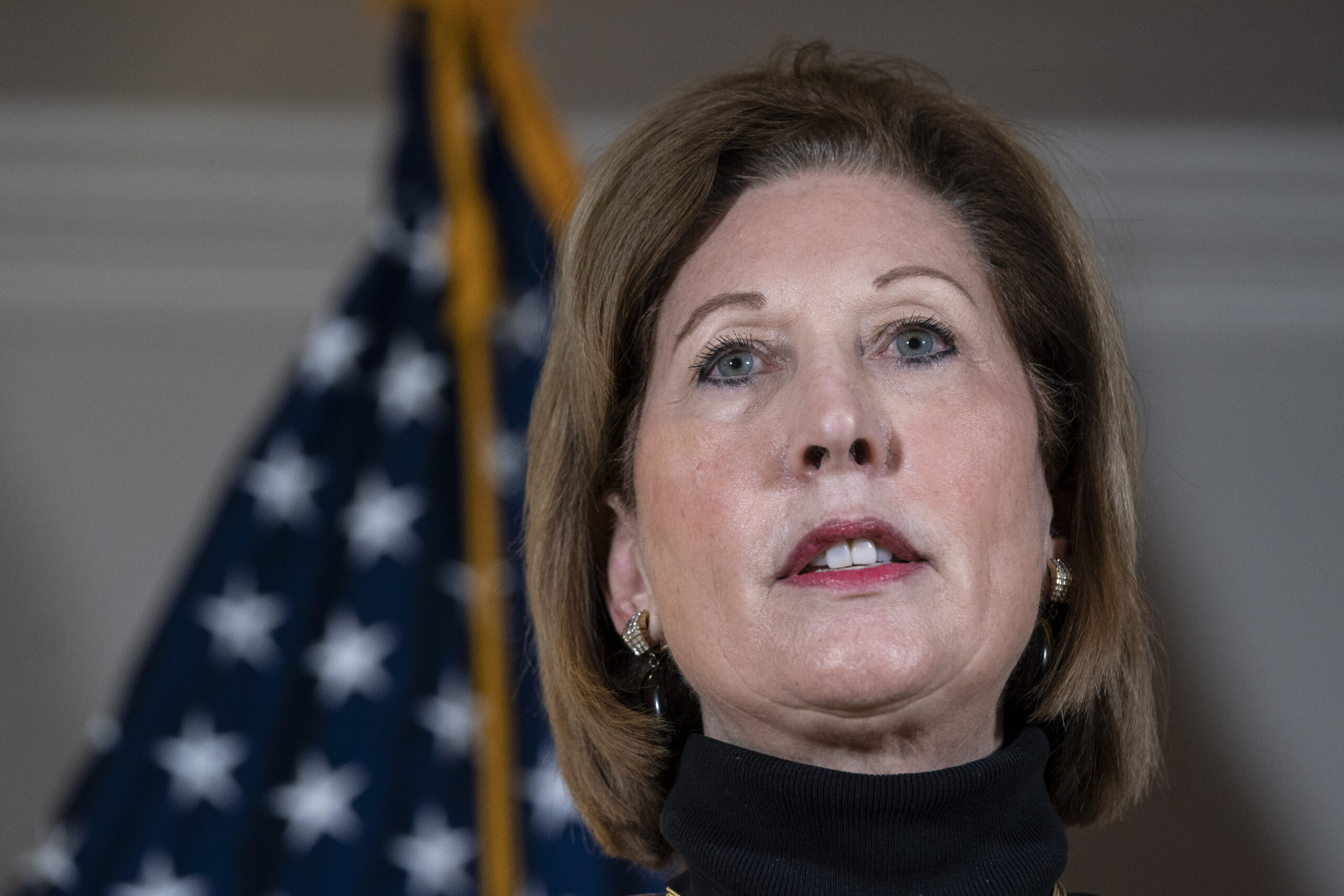
Alina Habba

Christine Bobb
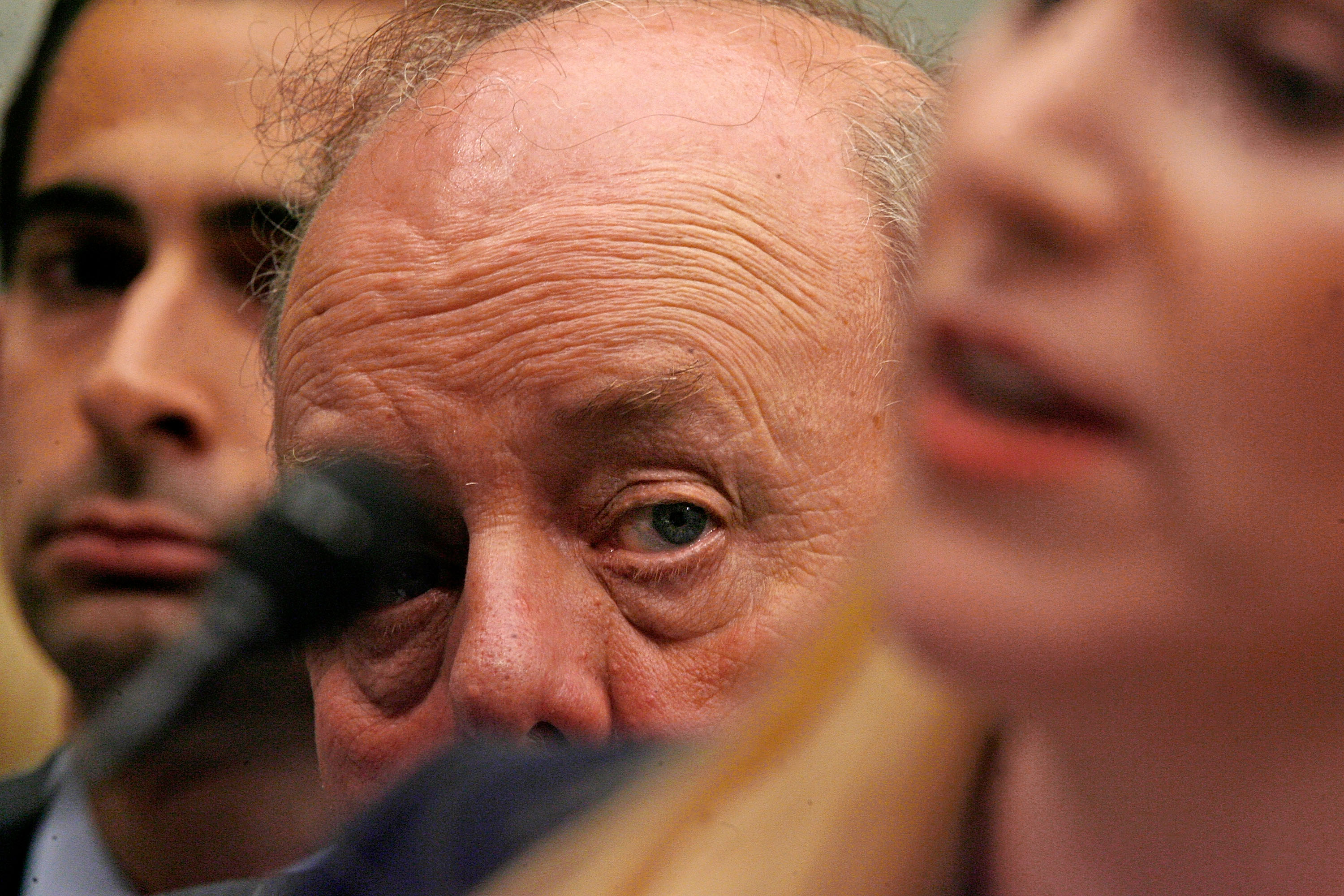
Ty Cobb
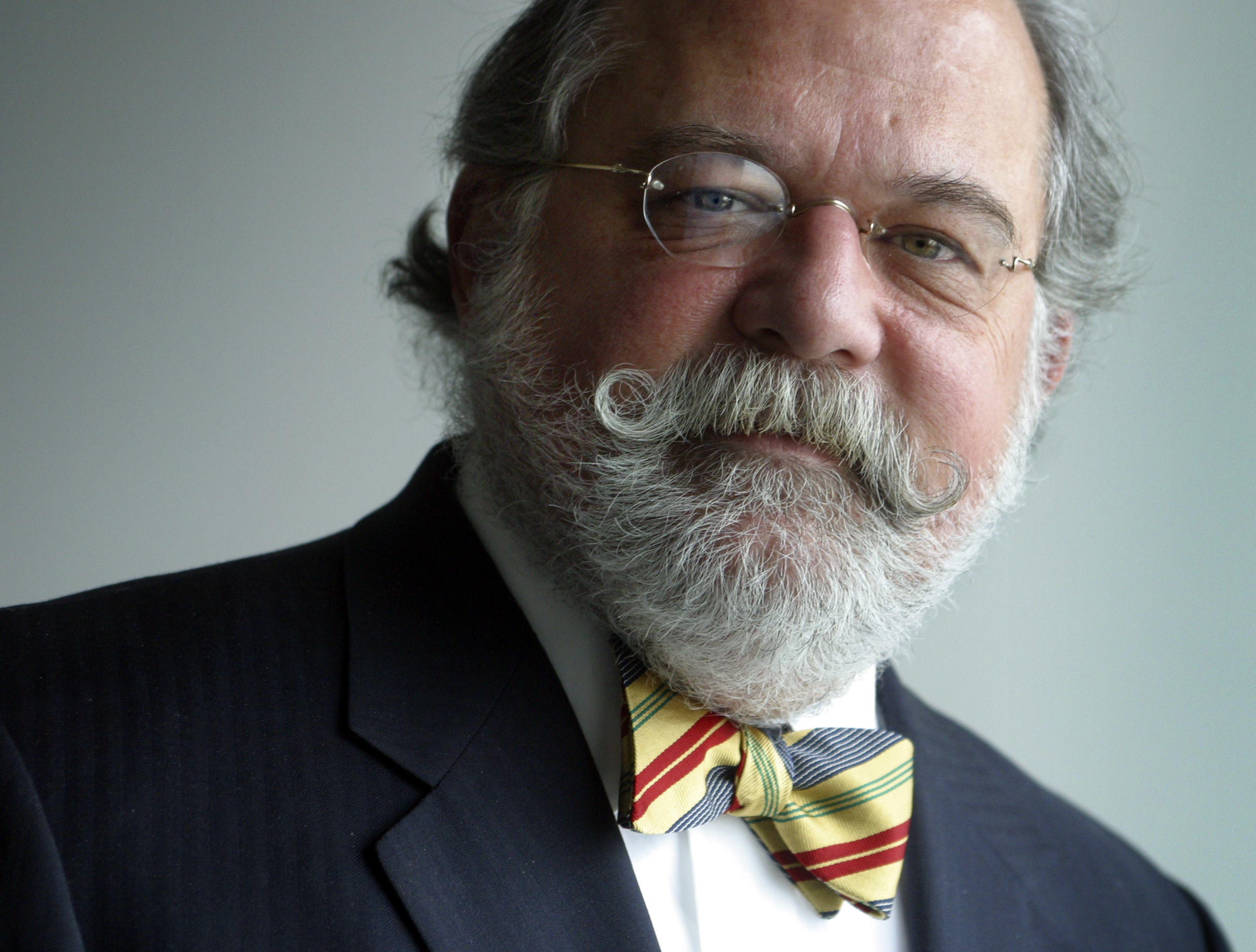
John Dowd
Jay Sekulow
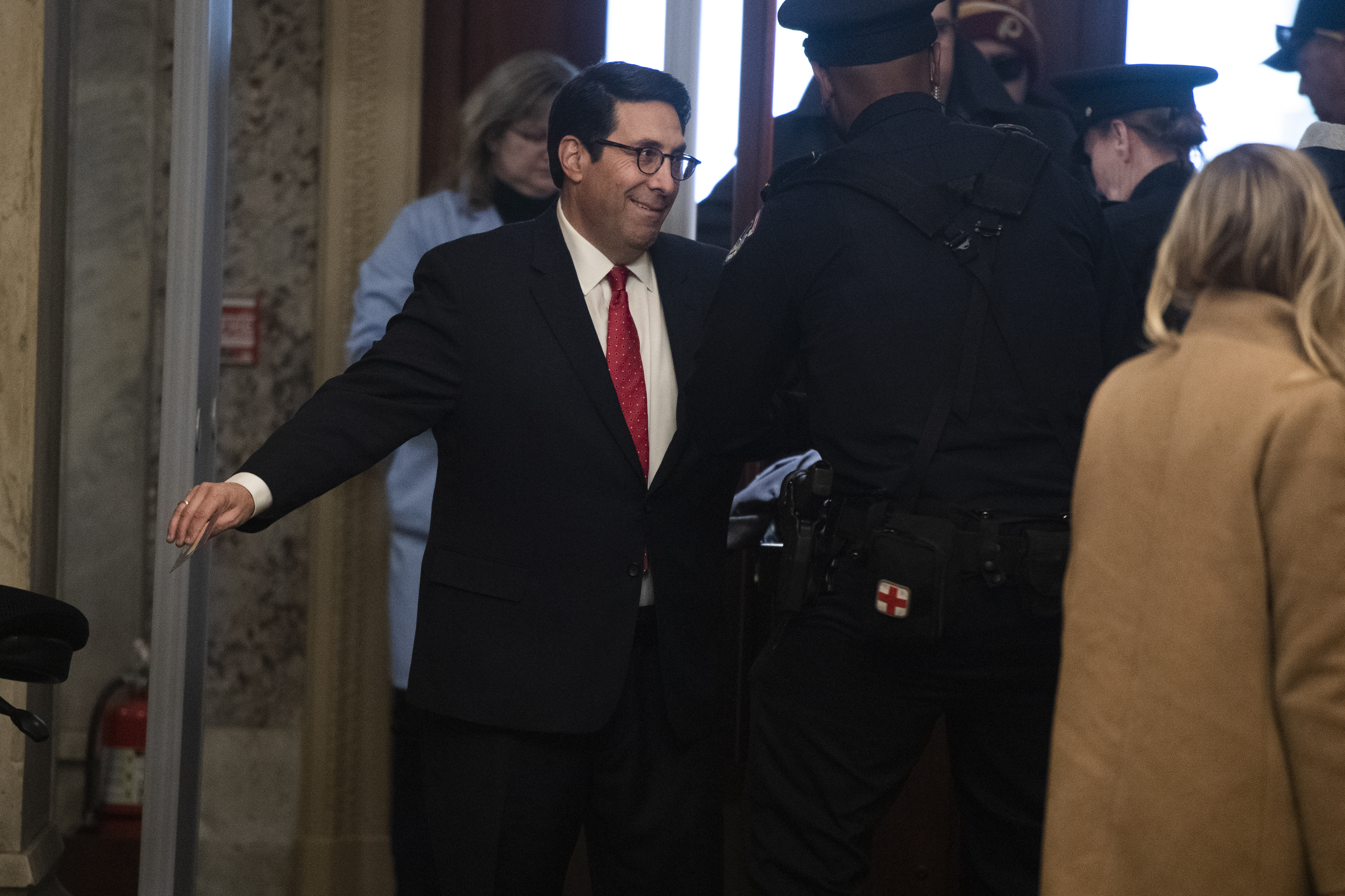
Jay Sekulow
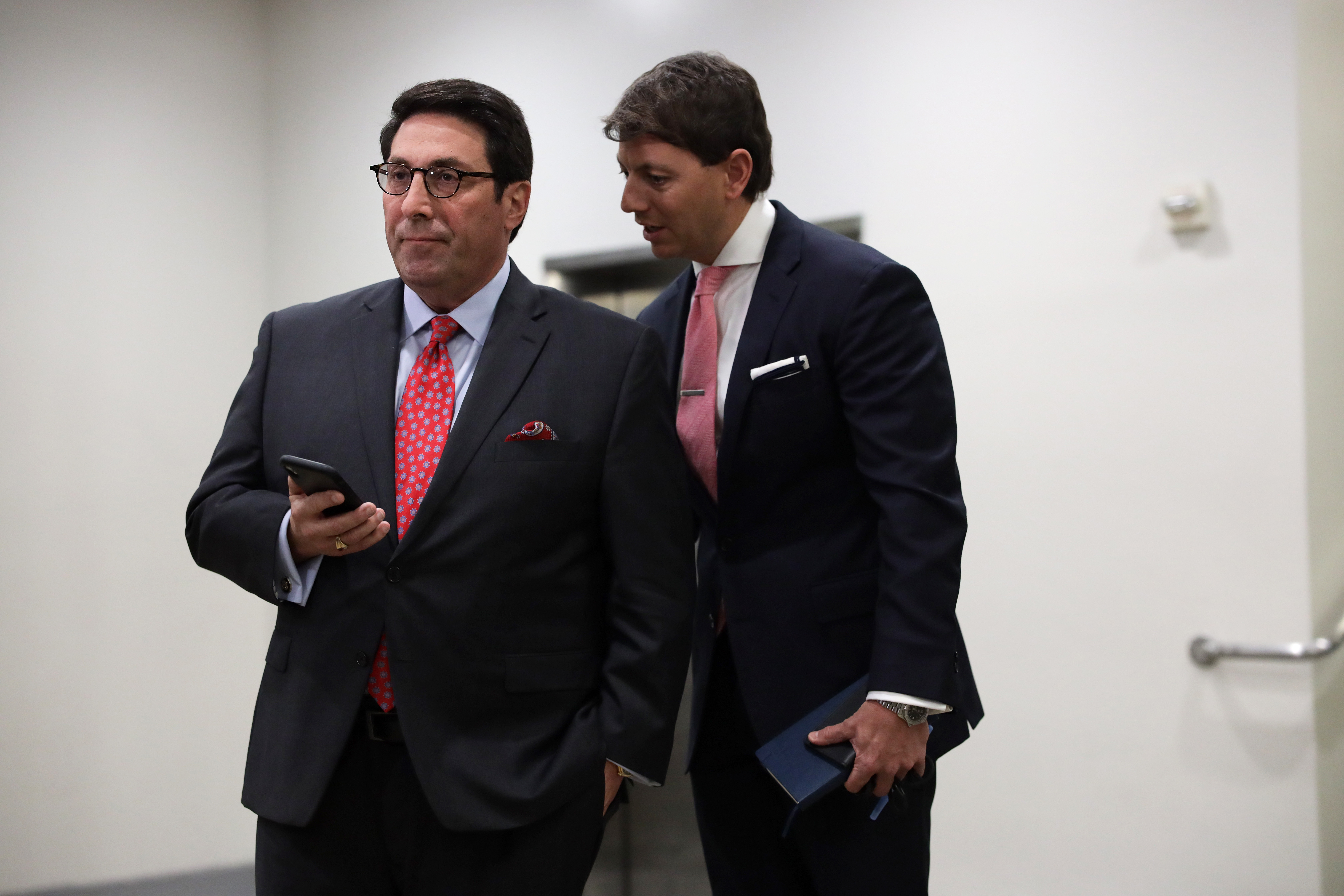
Alan Dershowitz

John Eastman
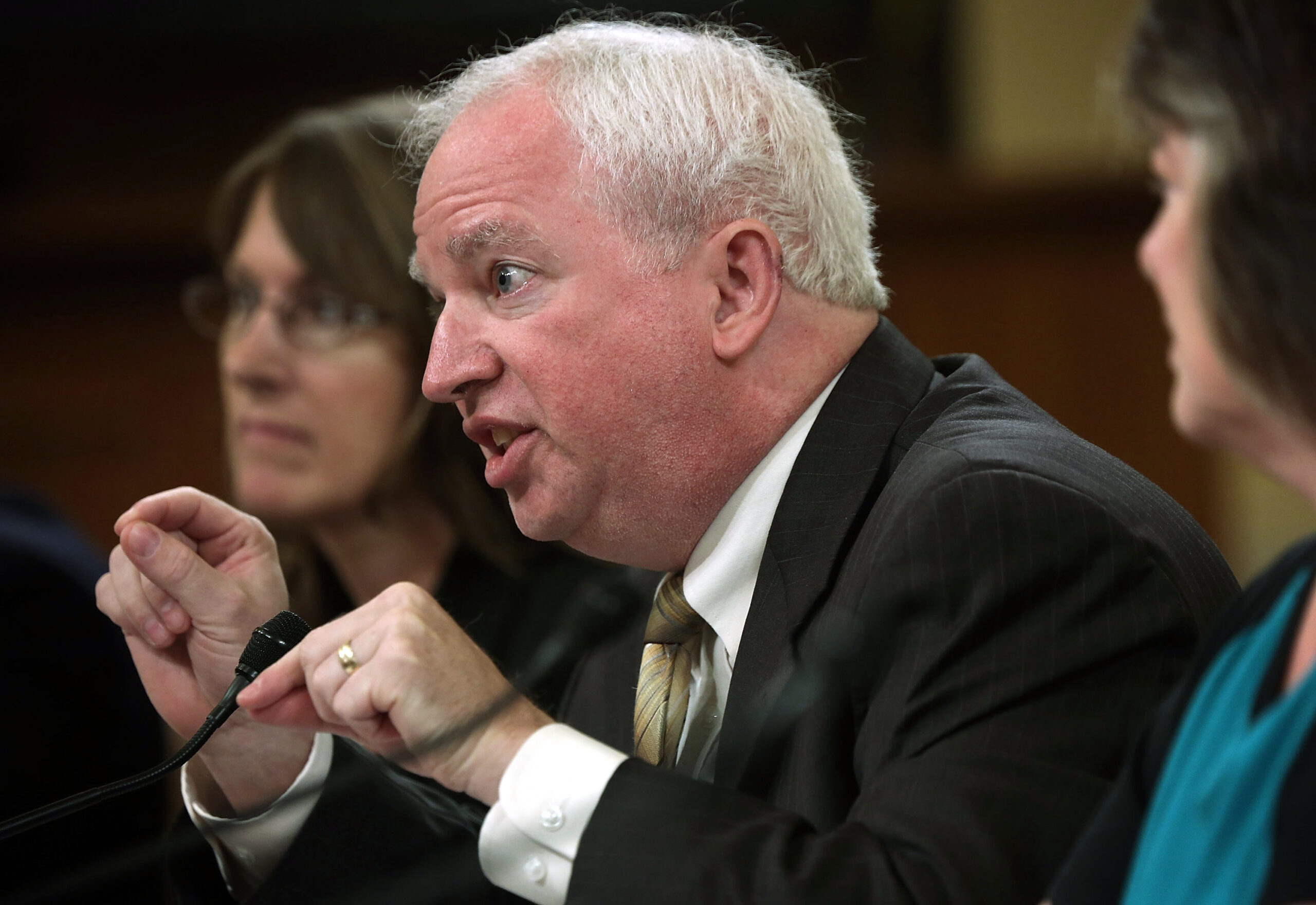
Pam Bondi
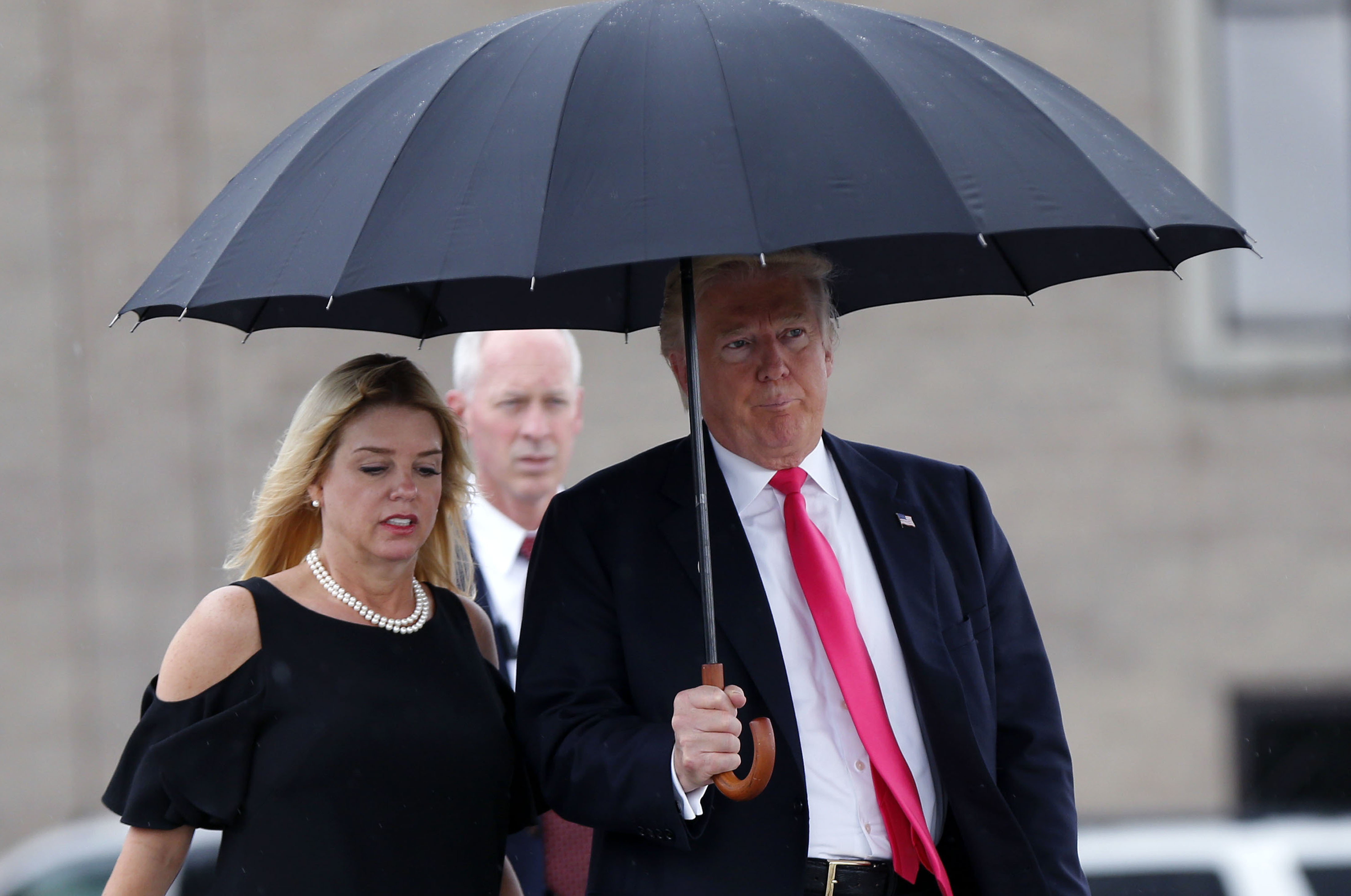
Pam Bondi
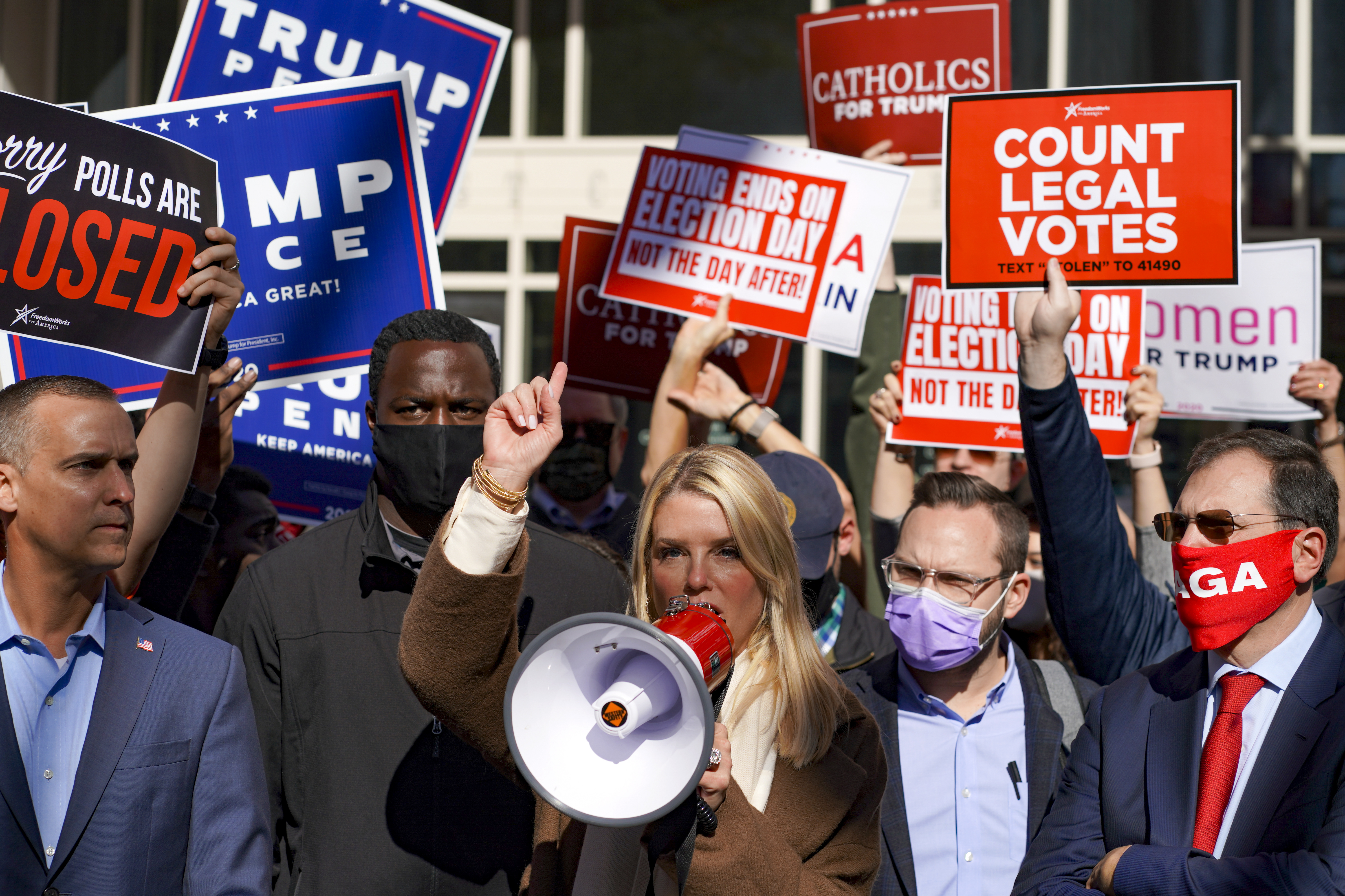
Pam Bondi
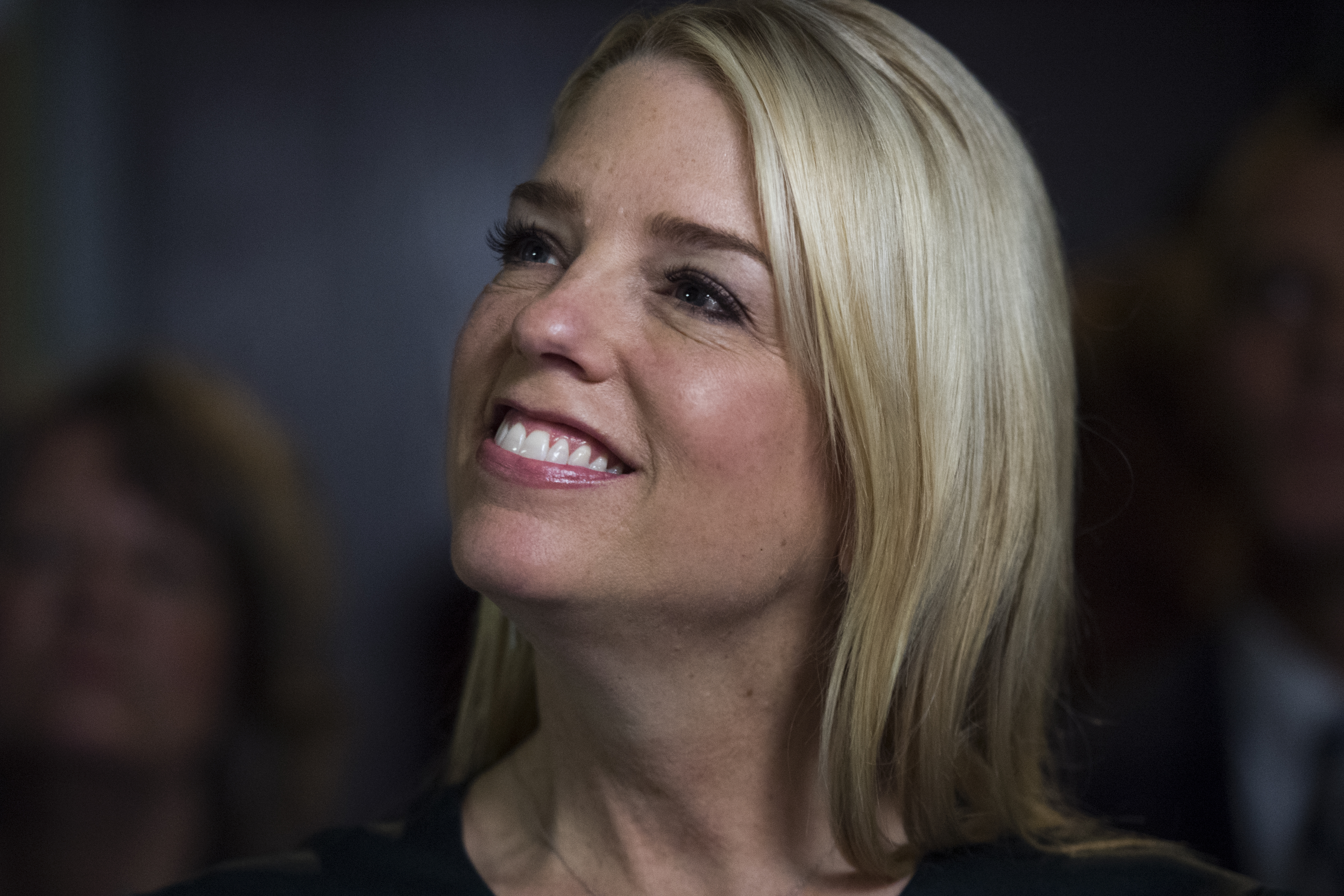
Marc Kasowitz
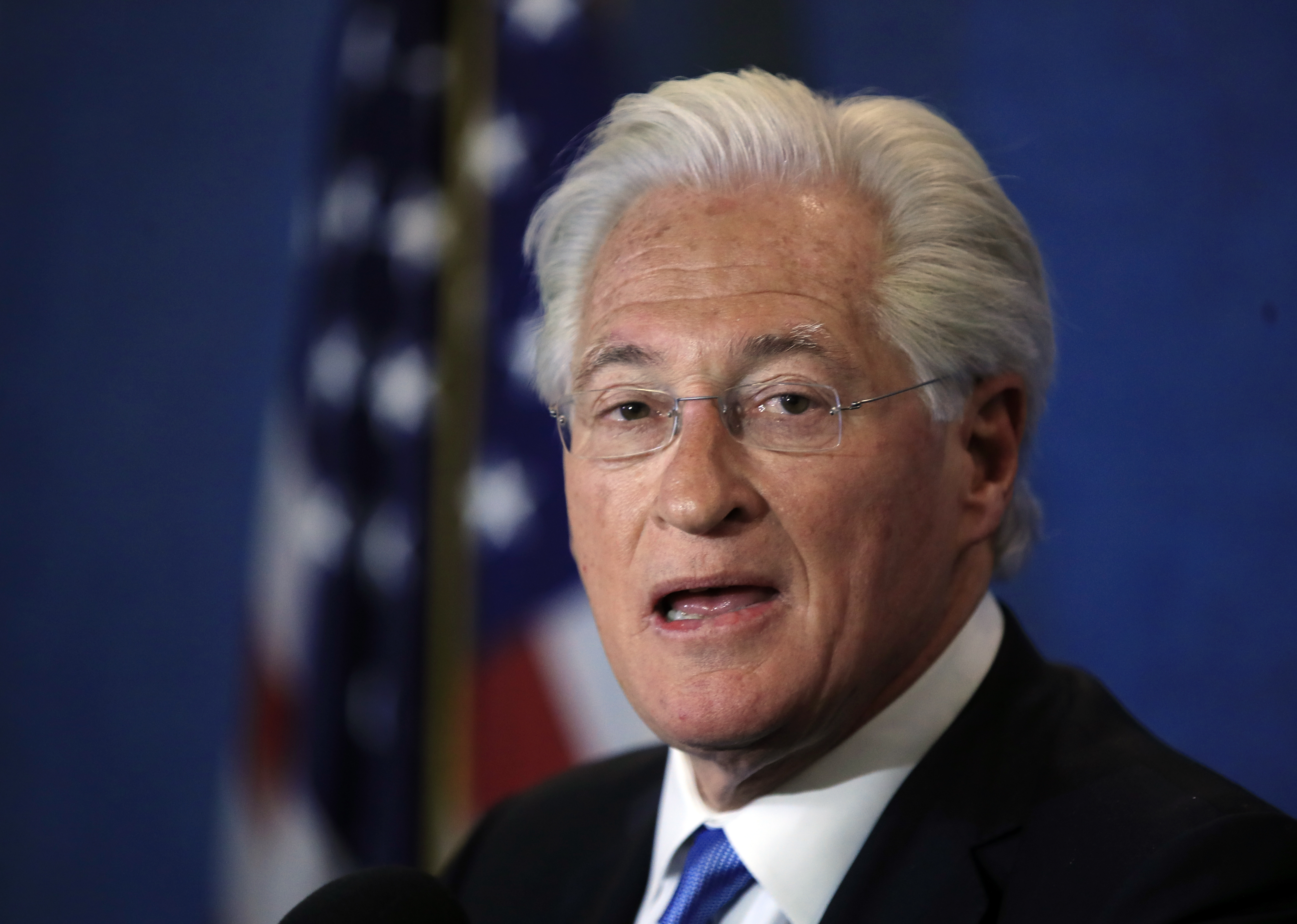
Michael van der Veen
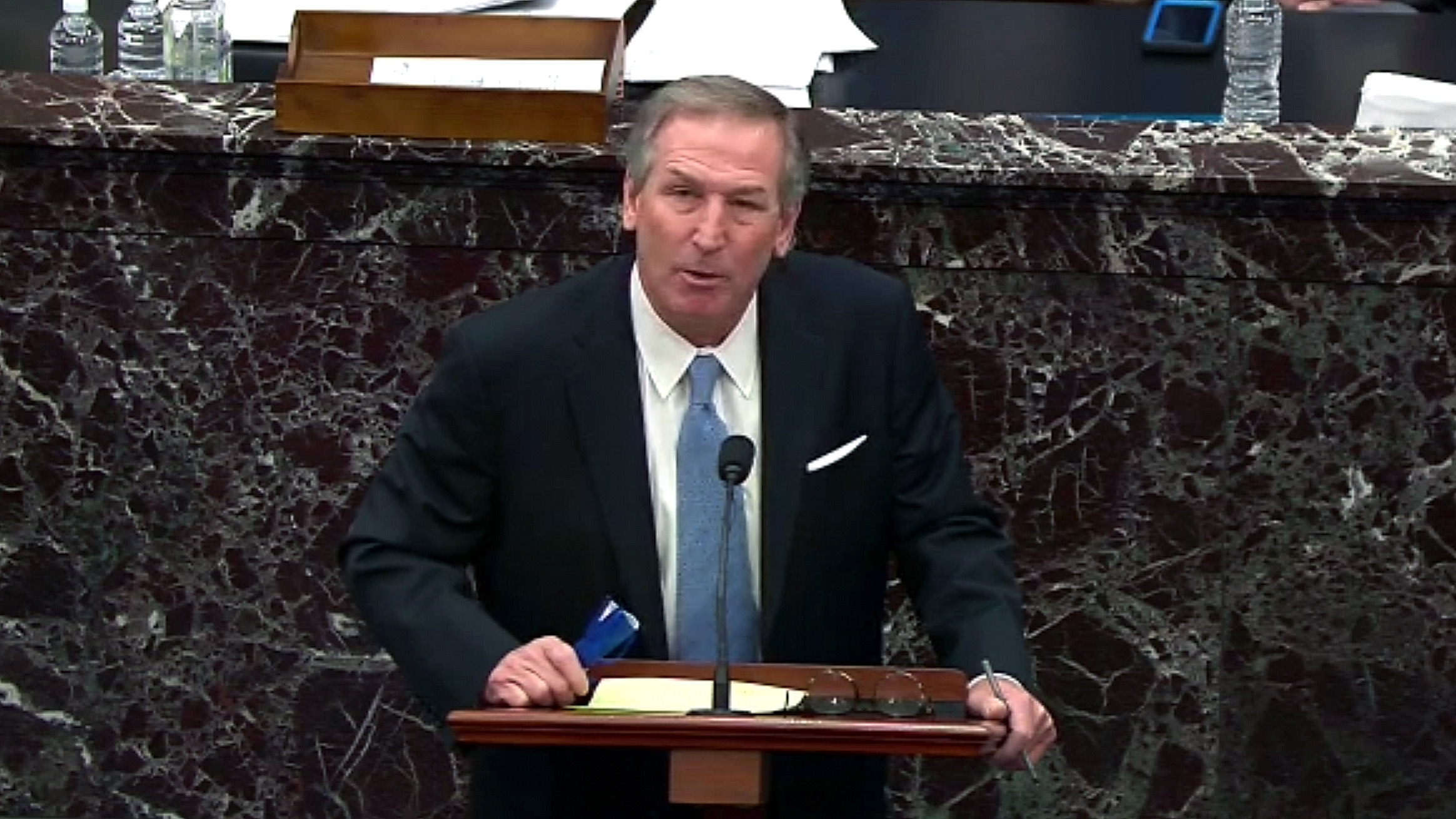
Bruce Castor Jr.
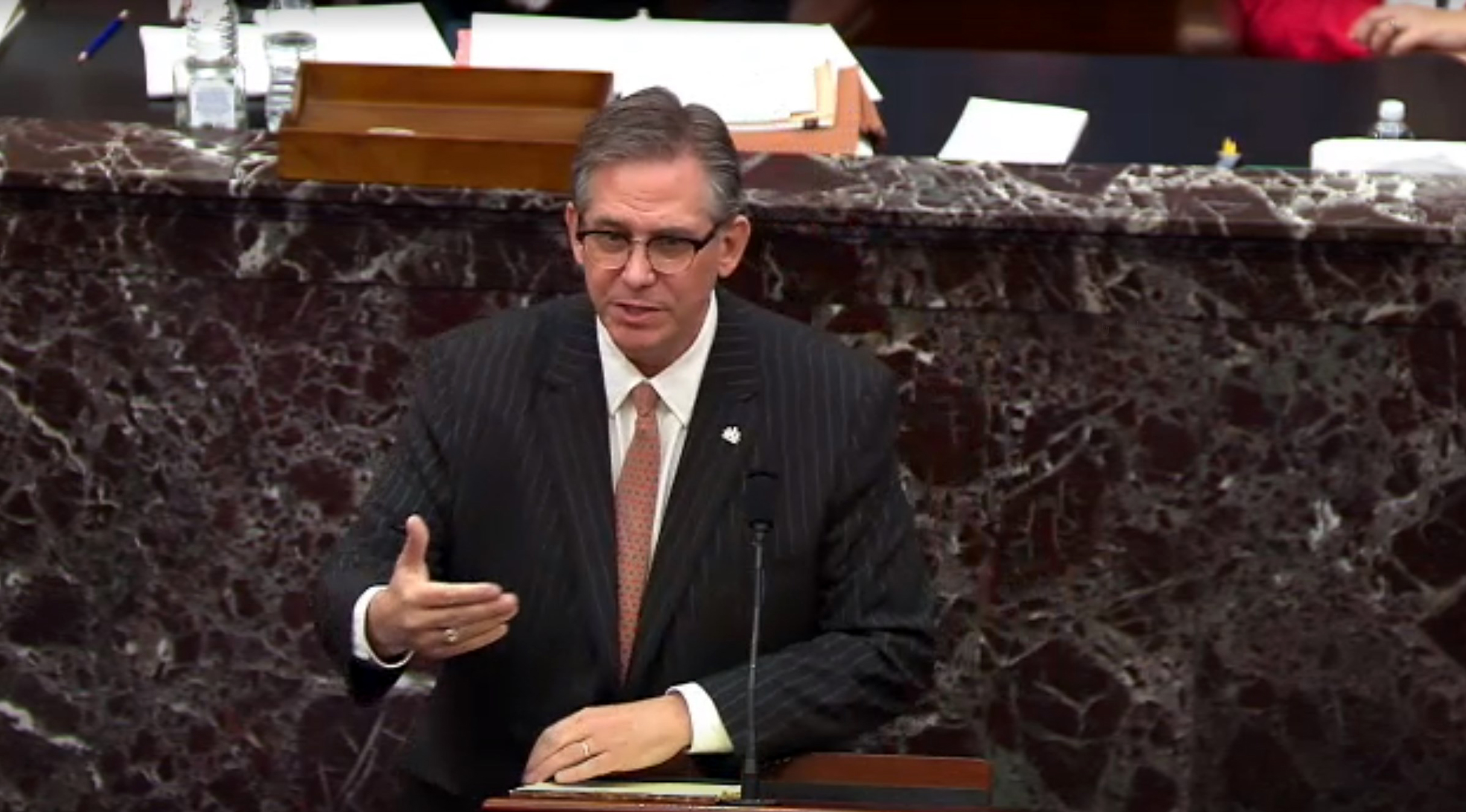
Lindsey Halligan

Michael Cohen
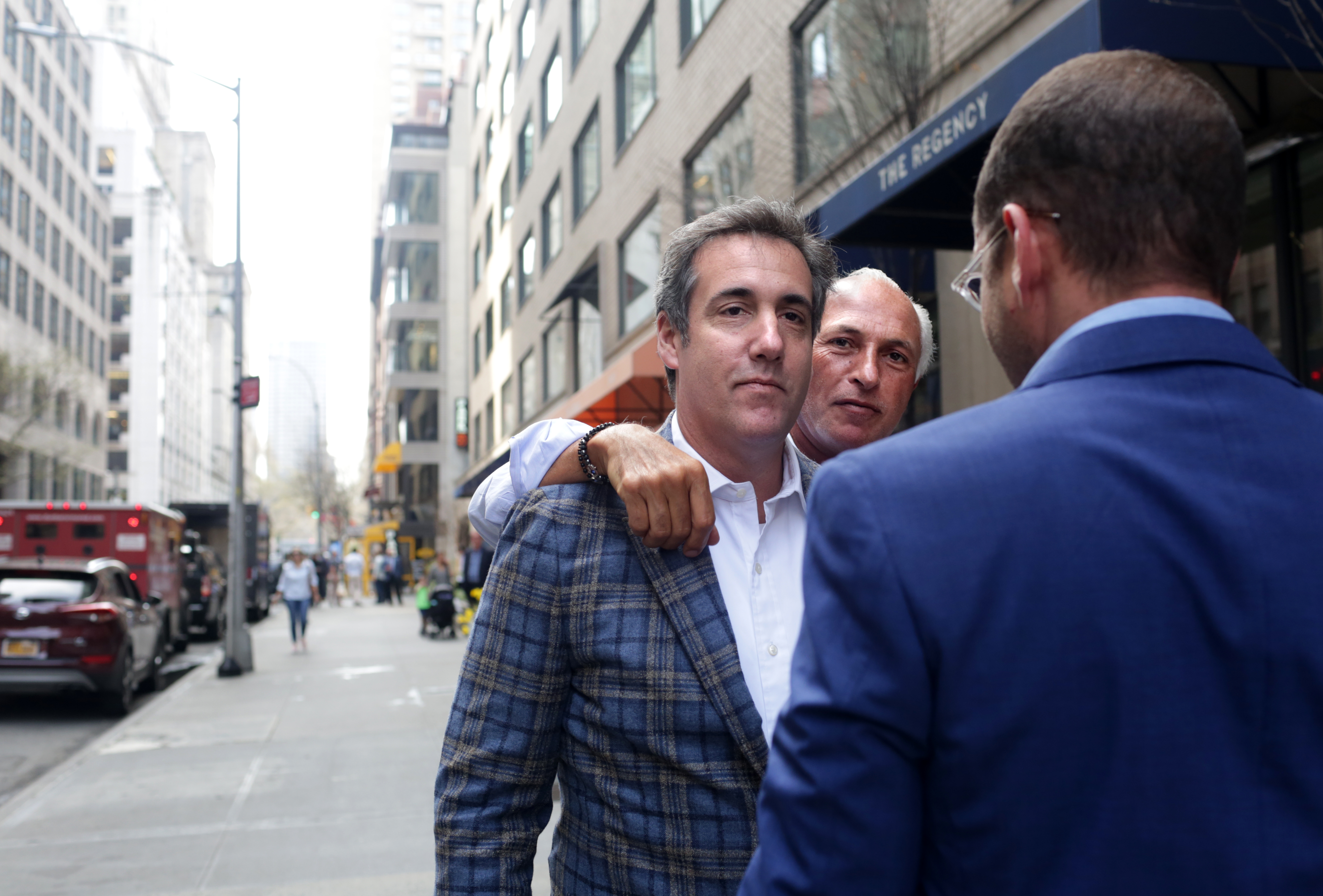
Michael Cohen
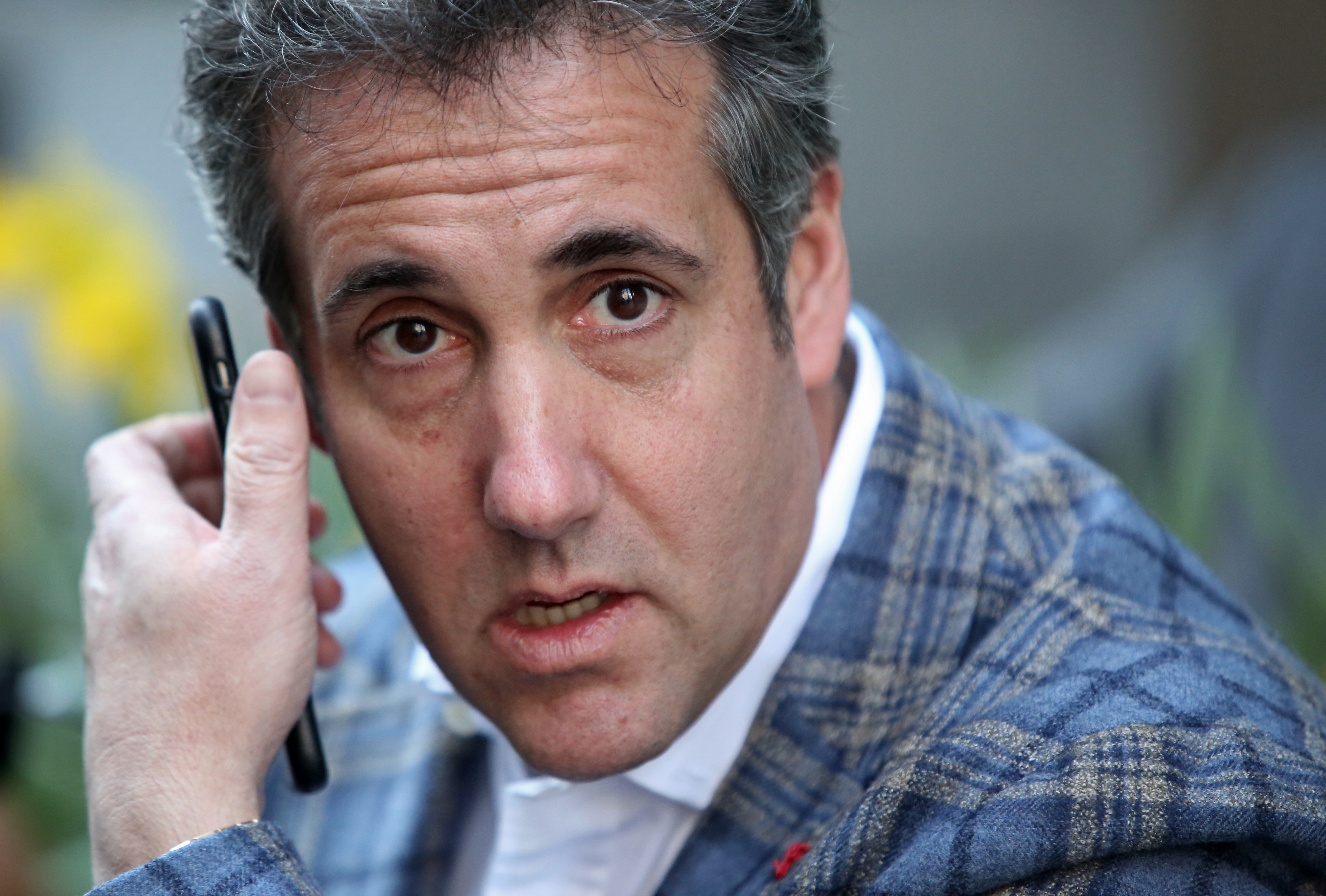
Michael Cohen
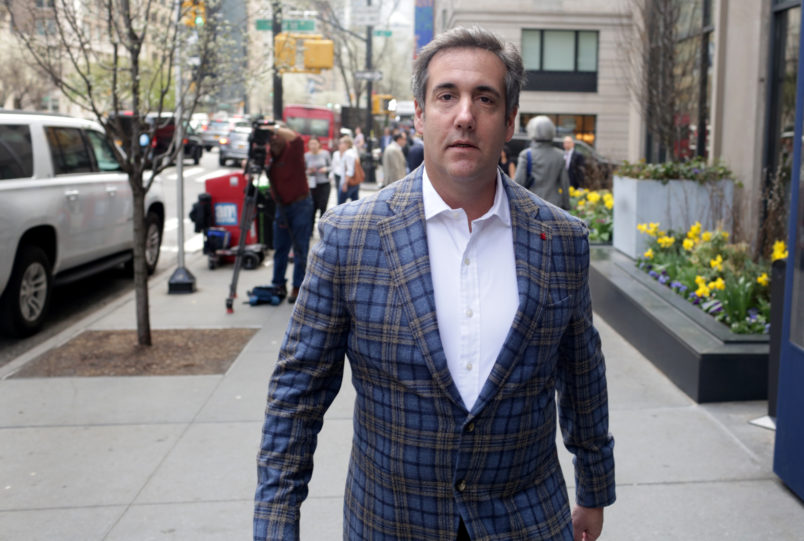
Evan Corcoran

Martin and Jane Raskin
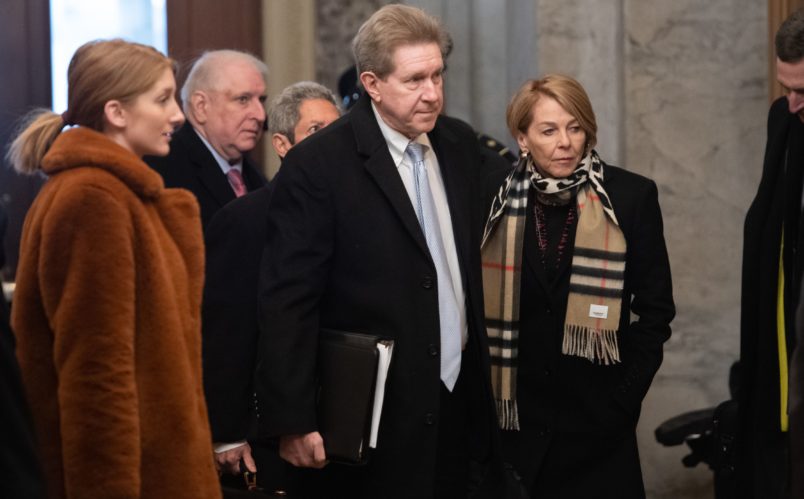
Joe DiGenova and Victoria Toensing
What Was He Doing? Readers Reply #2
TPM Reader TS has a different emphasis but a not dissimilar take to DP’s. Holding the documents is power, whether Trump actually uses them in some practical way in the future or not.
Continue reading “What Was He Doing? Readers Reply #2”Look at it from his perspective: he’s still the rightful president and a bunch of wimpy gnats of bureaucrats are trying to take away presidential stuff he put away and brought to Mar a Lago. Why? Just because he might enjoy it or find it useful — almost certainly to defend himself against imagined wrongs or to get back at or hold leverage over his enemies at home and abroad (so many of them)!
What Was He Doing? Readers Reply
I think TPM Reader DP captures a key element of the Trump documents story …
Continue reading “What Was He Doing? Readers Reply”I think that ‘selling classified materials’ is too narrow an understanding of what Trump does or could do. I suspect his world is characterized by all kinds of exchange relations and forms of reciprocity. Like many people, he builds relations by giving supposed gifts. Recipients know to give back in certain ways if they want to maintain or shape the relationship. And others advance gifts to him on the good chance of reciprocity. This is not specific to Trump. It is how business people, politicians and others make their way, doing what they do. No doubt many folks hope to get to money deals when the chance arises, but at this level of gifting, all kinds of things can be leveraged. Why else to join an expensive golf club?
Inside Trump’s Post-Presidential Hell Of Criminal Probes And Feeble Lawyering
A lot of things happened. Here are some of the things. This is TPM’s Morning Memo.
Not Ready For Primetime
A flurry of new reporting over the weekend further cemented the impression that Trump and his legal team (to the extent there is a legal “team” … more on that in a moment) are walking blithely unprepared into what could be the most serious criminal culpability he has yet faced in his long and illustrious career of staying one step ahead of the law.
So about that legal team. Here’s how the two main figures on that team – Evan Corcoran and Jim Trusty – came to be hired, according to the NYT:
Mr. Trusty was hired after Mr. Trump saw him on television, people close to the former president have said. Mr. Corcoran came in during the spring, introduced by another Trump adviser during a conference call in which Mr. Corcoran made clear he was willing to take on a case that many of Mr. Trump’s other advisers were seeking to avoid, people briefed on the discussion said.
Who is overseeing that team? So glad you asked:
The closest thing to a legal quarterback in Mr. Trump’s orbit is Boris Epshteyn, a onetime lawyer at the firm Milbank who was a political adviser to Mr. Trump in 2016, ultimately becoming a senior staff member on his inaugural effort and then a strategic adviser on the 2020 campaign.
Mr. Epshteyn has championed Mr. Trump’s claims, dismissed by dozens of courts, that the election was stolen from him, and has risen to a role he has described to colleagues as an “in-house counsel,” helping to assemble Mr. Trump’s current legal team.
Corcoran in particular seems in over his head:
Mr. Corcoran in particular has raised eyebrows within the Justice Department for his statements to federal officials during the documents investigation. People briefed on the investigation say officials are uncertain whether Mr. Corcoran was intentionally evasive, or simply unaware of all the material still kept at Mar-a-Lago and found during the Aug. 8 search by the F.B.I.
Not Much To Work With?
Mother Jones: Trump’s Lawyers Don’t Seem to Have Much of a Defense
Trump-Appointed Judge Signals She’ll Name A Special Master
U.S District Judge Aileen M. Cannon has scheduled a hearing for Thursday to consider President Trump’s request for a special master to review the documents seized by the FBI at Mar-a-Lago.
The judge’s scheduling notice over the weekend suggested she’s inclined to appoint a special master, but it’s not clear what the special master’s brief would be. Reviewing seized materials for documents covered by attorney-client privilege would be a relatively routine role for a special master. Reviewing for documents covered by executive privilege, which is what Trump was asking a special master to do, would not be routine, especially since the privilege is not the ex-president’s to assert.
The judge gave the Justice Department a Tuesday deadline to respond.
Trump’s team treated the judge’s weekend actions as a win. Not so fast:
Clue On Timing
NYT: “Prosecutors working on the investigation into Mr. Trump’s handling of classified information are nowhere near making a recommendation to Mr. Garland, according to people with knowledge of the inquiry.”
More Missing Docs?
WaPo: “But the Archive’s work may not yet be done: Some NARA officials believe that there might still be more records missing, according to a person familiar with the matter.”
They’ve Already Shown They’ll Riot No Matter What
Sen. Lindsey Graham (R-SC) warns of riots in the streets if Trump is prosecuted after the Clinton’s weren’t:
How Much Damage Did Trump Do?
The intelligence community along with the Justice Department will assess the damage done by Trump’s improper possession of classified documents at Mar-a-Lago, Director of National Intelligence Avril Haines told lawmakers in a letter Friday.
I’ve Seen More Robust Defenses
You can see a little light emerging between Trump and some elected Republicans on the Mar-a-Lago document fiasco. It’s not a lot of light, and it would be easy to over-interpret it, but let’s note it for what it is … at least for now.
It’s Not Just Blake Masters
We have another one folks:
In case you missed it from late last week, Blake Masters, the GOP nominee for U.S. Senate in Arizona, similarly scrubbed his campaign website of tough abortion restrictions and tried to pretend he hasn’t been a diehard abortion foe up til now.
GOP Still Gunning For Social Security
From Blake Masters in Arizona to Sen. Ron Johnson in Wisconsin, Republicans in key 2022 races have floated changes Social Security, TPM alum Sahil Kapur reports.
Beto Out Of Commission With Illness
Beto O’Rourke cancelled campaign events in his run against Texas Gov. Greg Abbott after being briefly hospitalized with a bacterial infection.
How’s It Gonna Play Out?
Politico: When an election denier becomes a chief election official
Truth Social Looking A Lot Like Trump Steaks
Trump’s fake Twitter platform “still has no guaranteed source of revenue and a questionable path to growth” according to the Washington Post. But this little nugget jumps out: Trump Social has stopped paying one of its key vendors:
There are signs that the company’s financial base has begun to erode. The Trump company stopped paying RightForge, a conservative web-hosting service, in March and now owes it more than $1 million, according to Fox Business, which first reported the dispute.
Ukraine Update
WSJ: Russia Moves to Reinforce Its Stalled Assault on Ukraine
NYT: The ‘MacGyvered’ Weapons in Ukraine’s Arsenal
WSJ: U.N. Inspectors Head to Ukraine Nuclear Plant as Safety Fears Grow
Countdown Delays

The first flight of NASA’s Artemis lunar program, which was scheduled for this morning, has hit some snags.
Do you like Morning Memo? Let us know!
Correction: This post originally misidentified Blake Masters as the GOP’s gubernatorial nominee. He is, of course, the GOP’s nominee for U.S. Senate from Arizona. We regret the error.
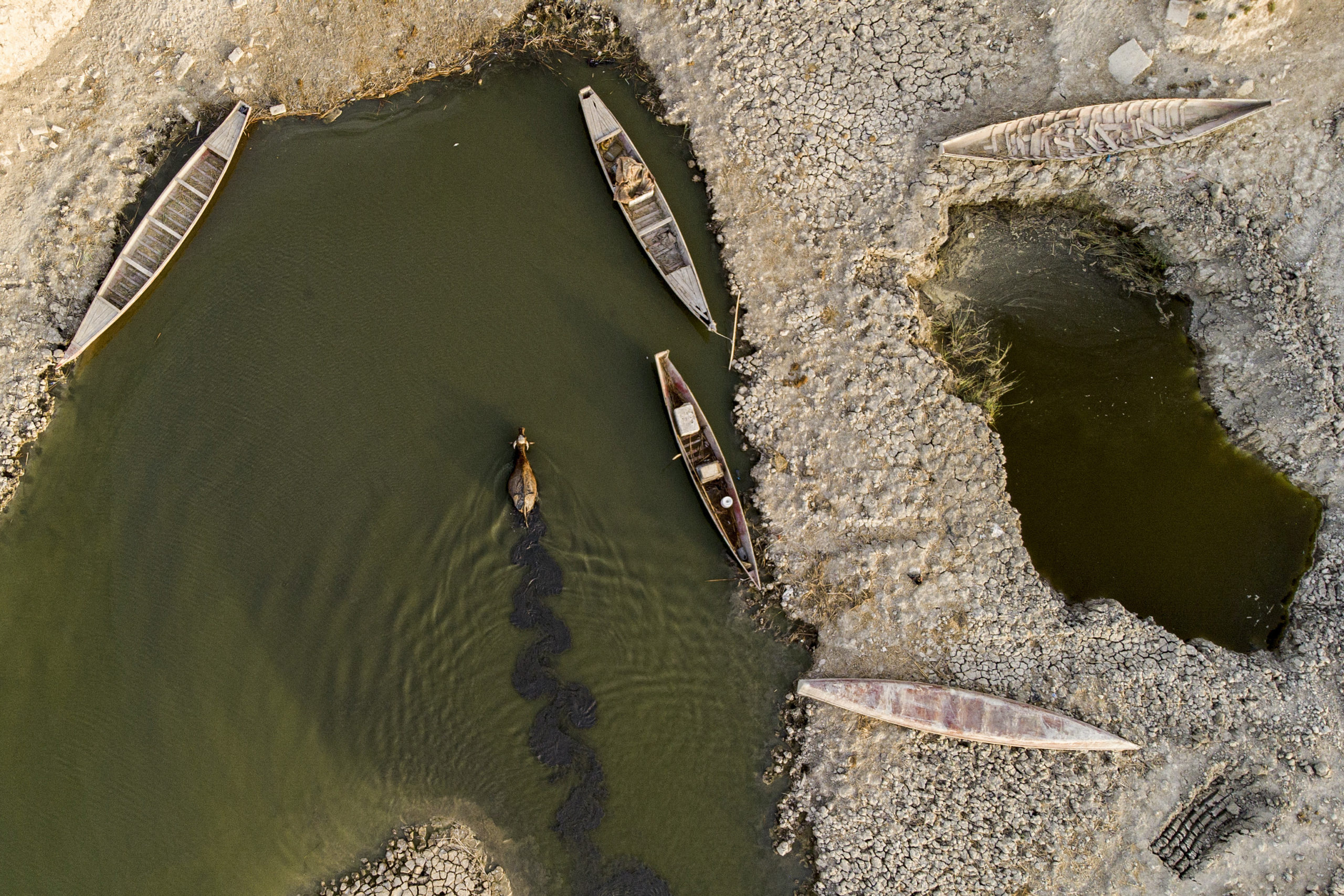
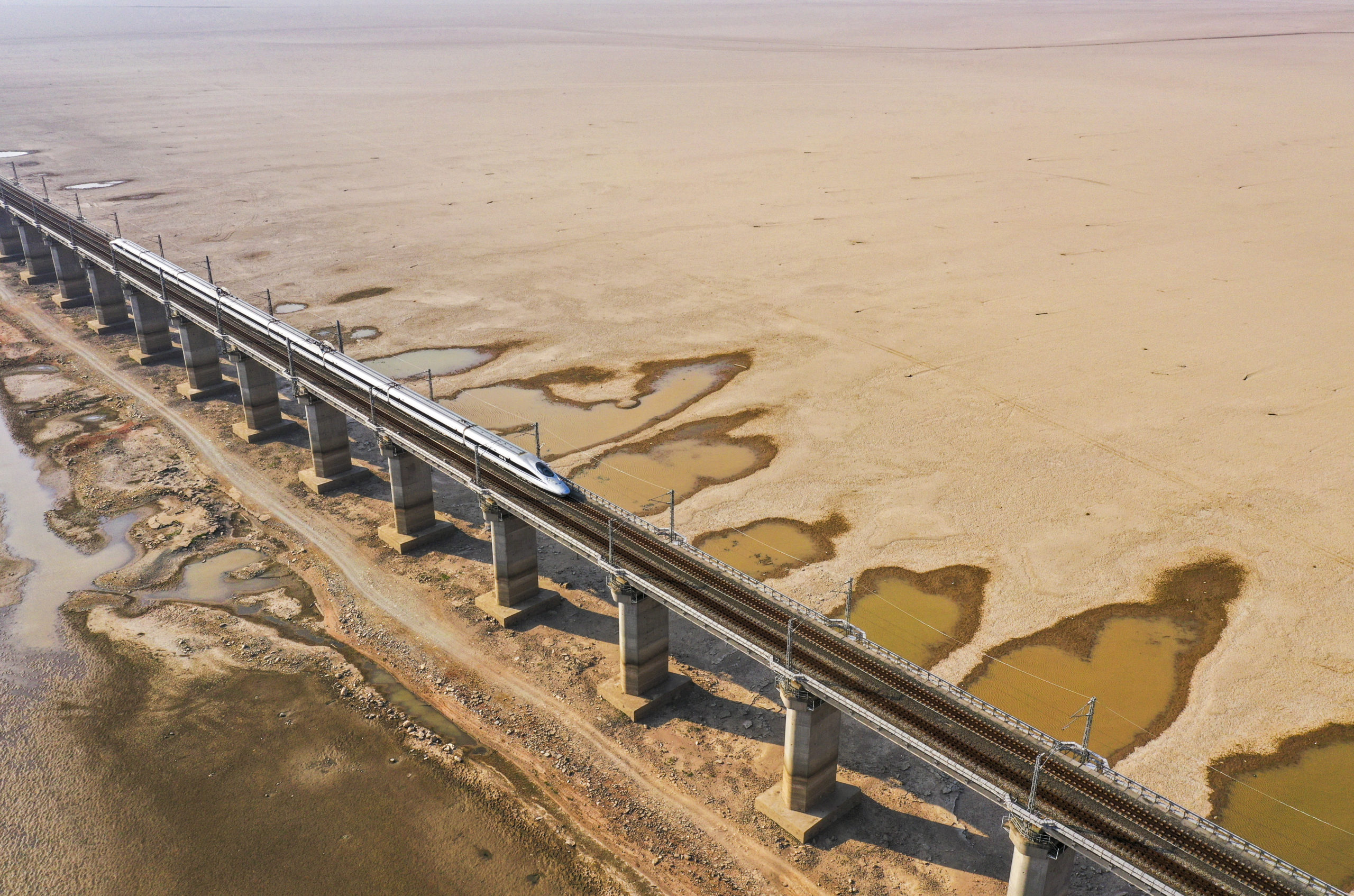
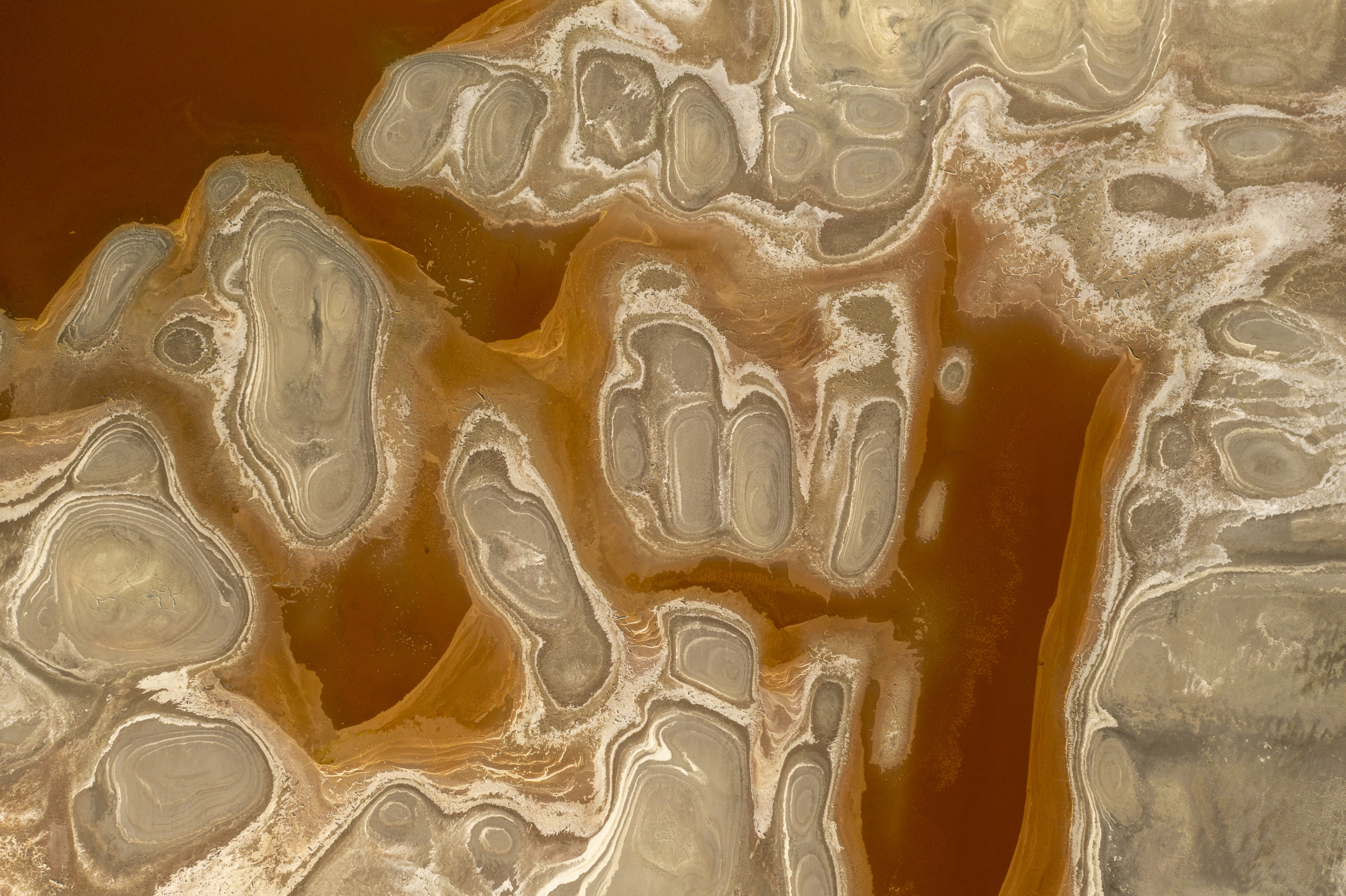
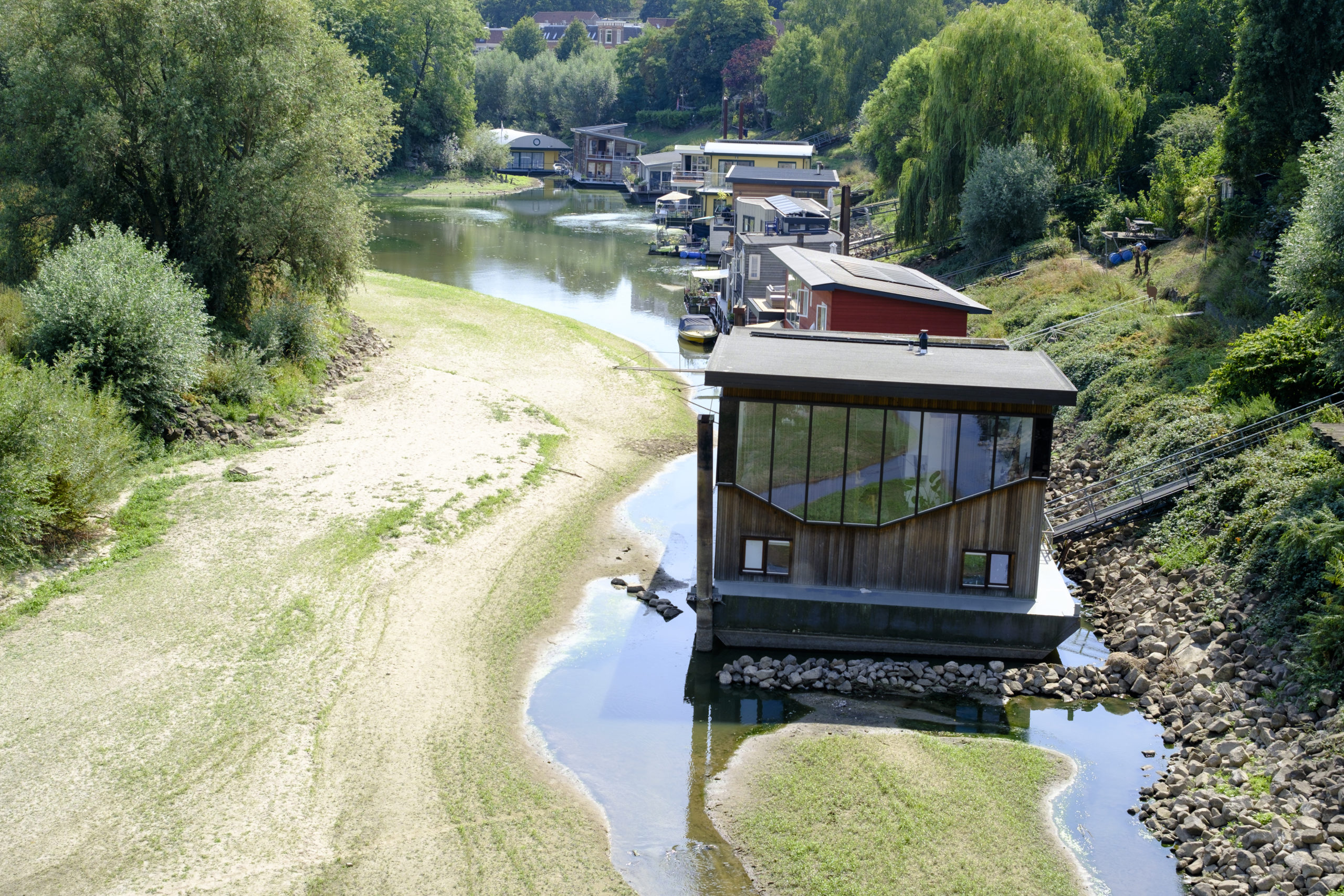
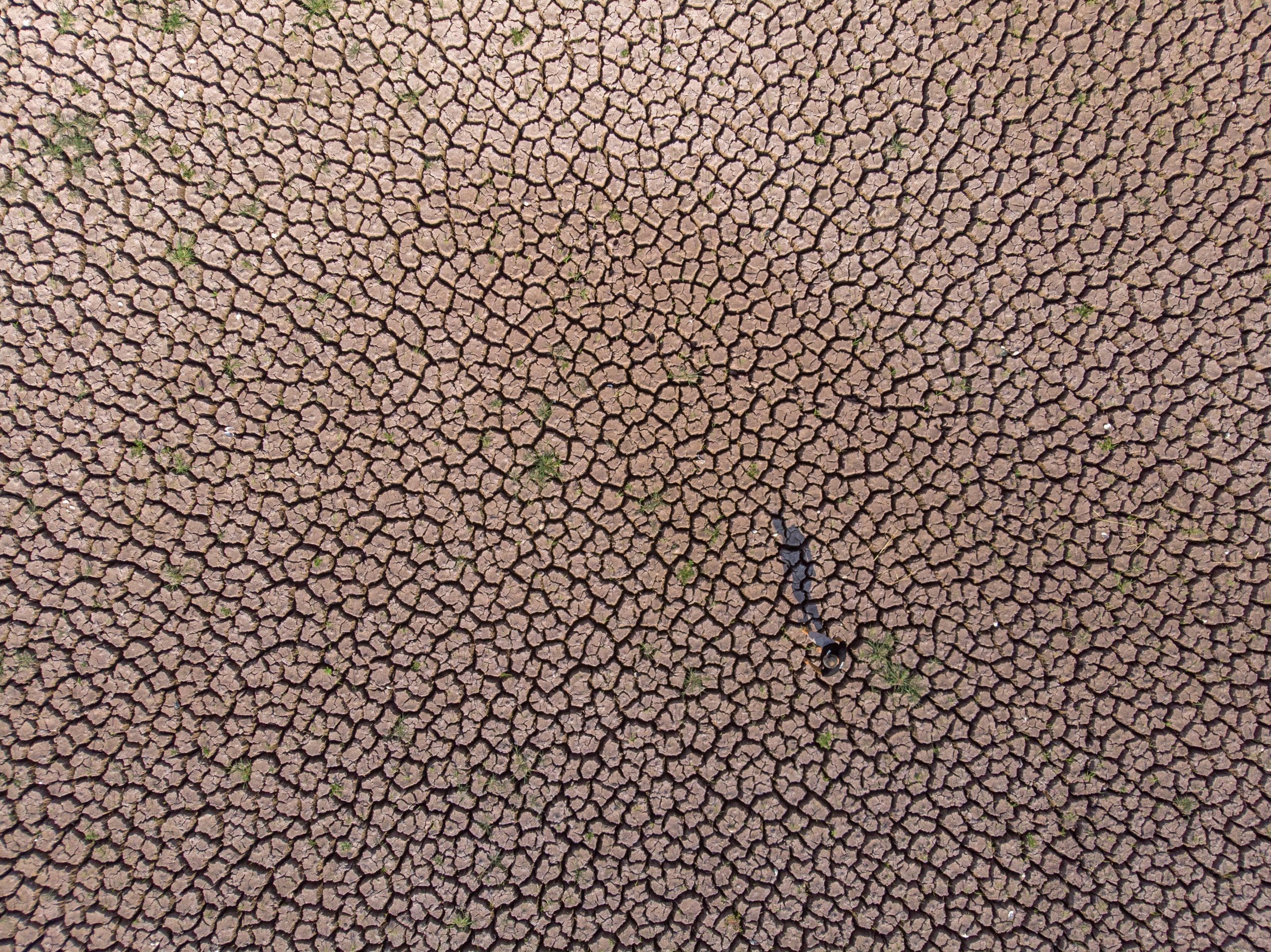
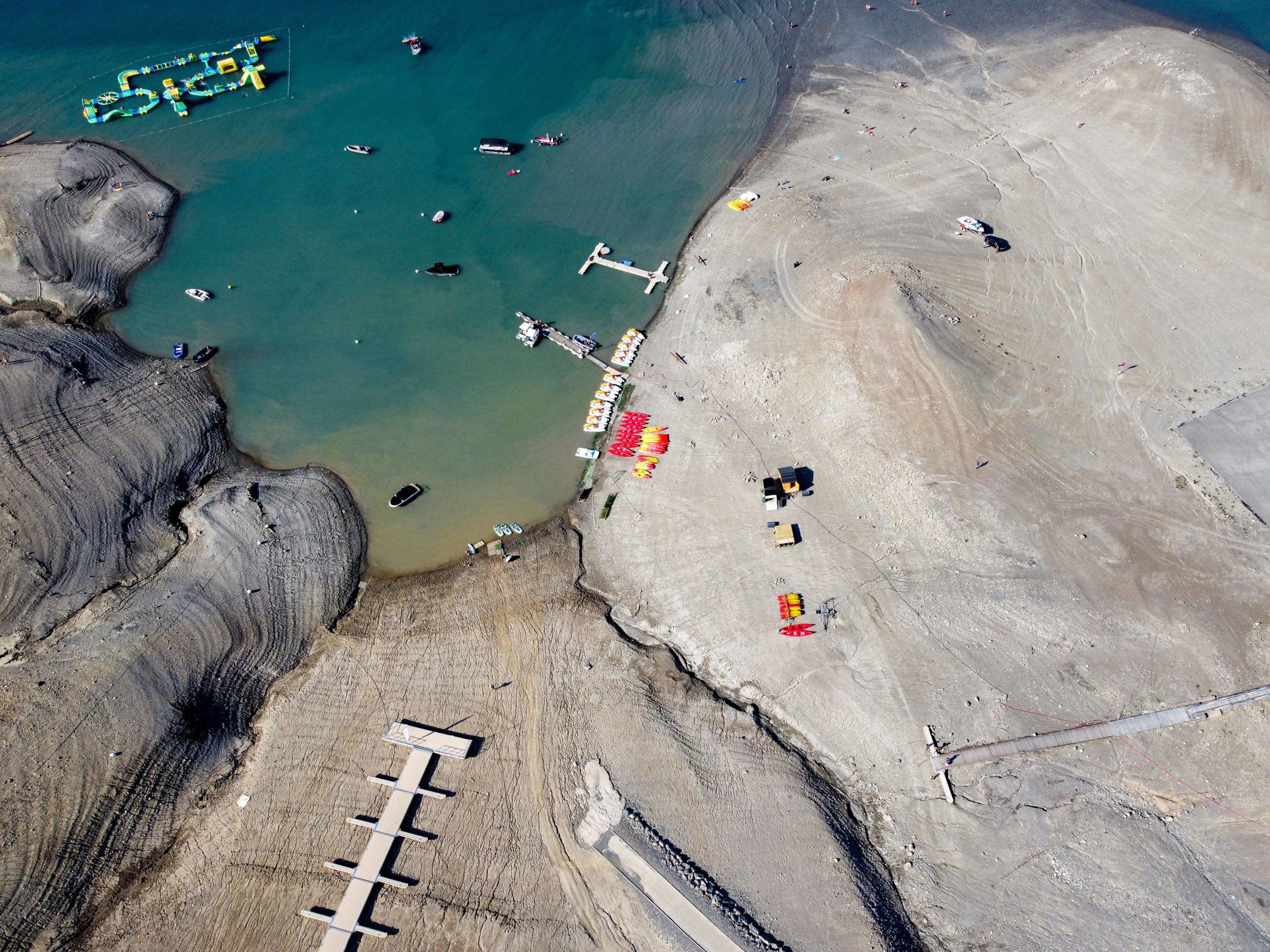
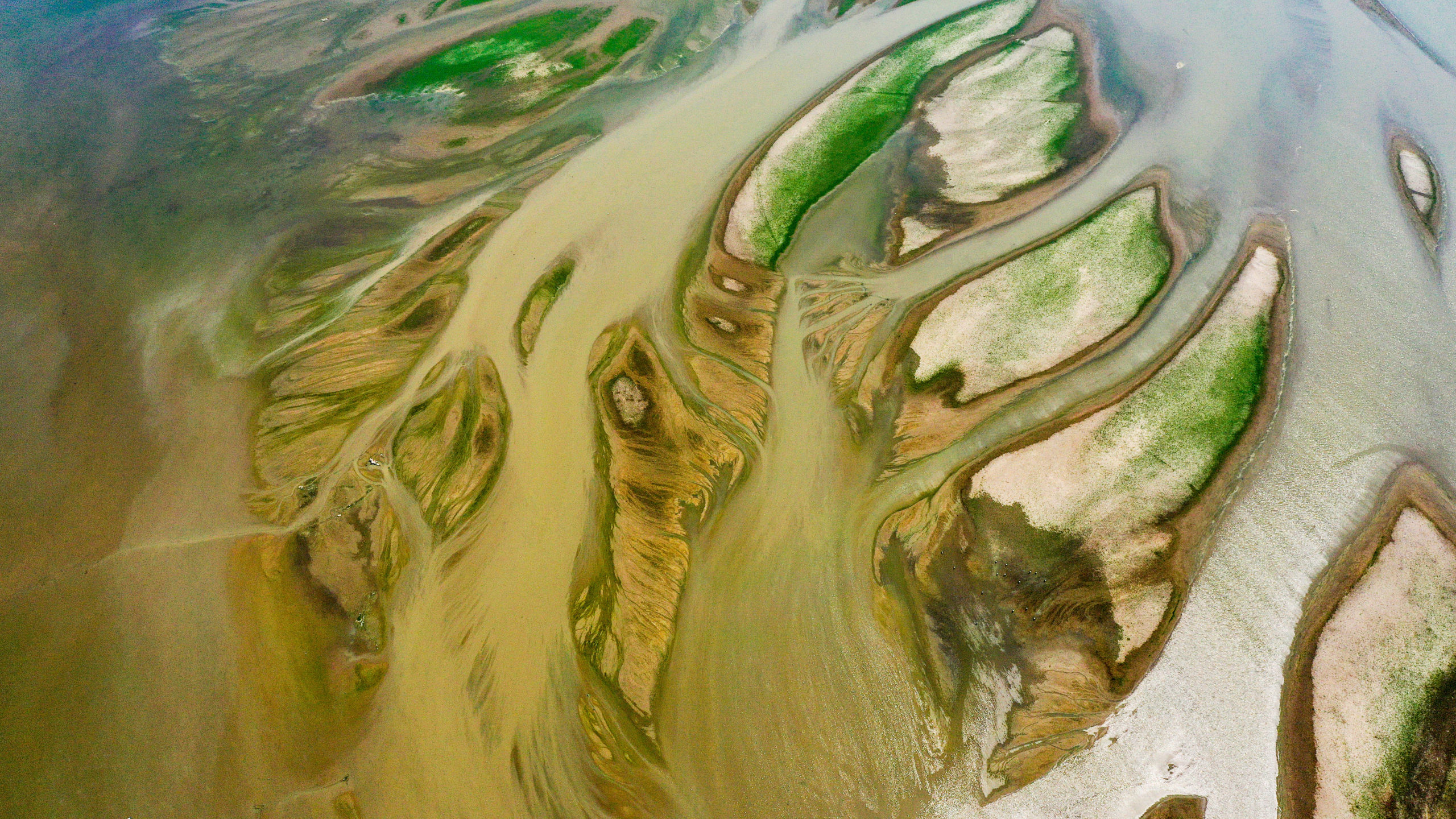
A Gripping Look At 2022’s Global Drought
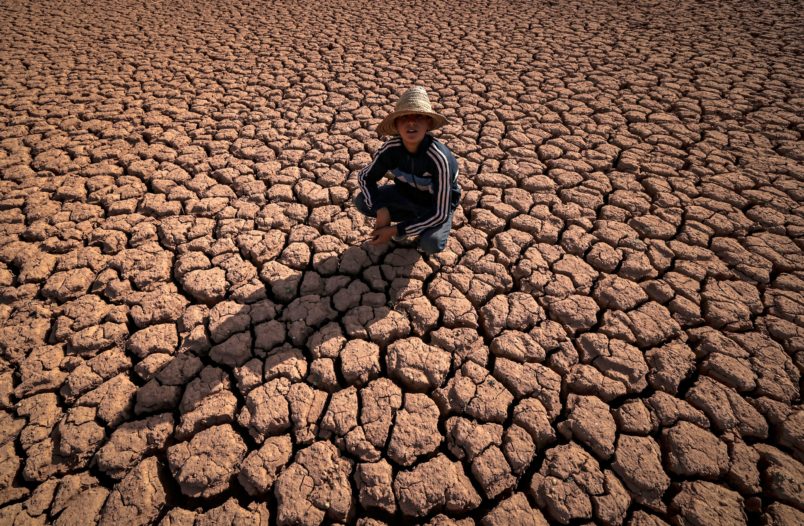
China, Europe, the Middle East, the Horn of Africa and parts of North America are all enduring record-breaking droughts.
Jinxian, China

Chabyish, Iraq
Jiujiang, China
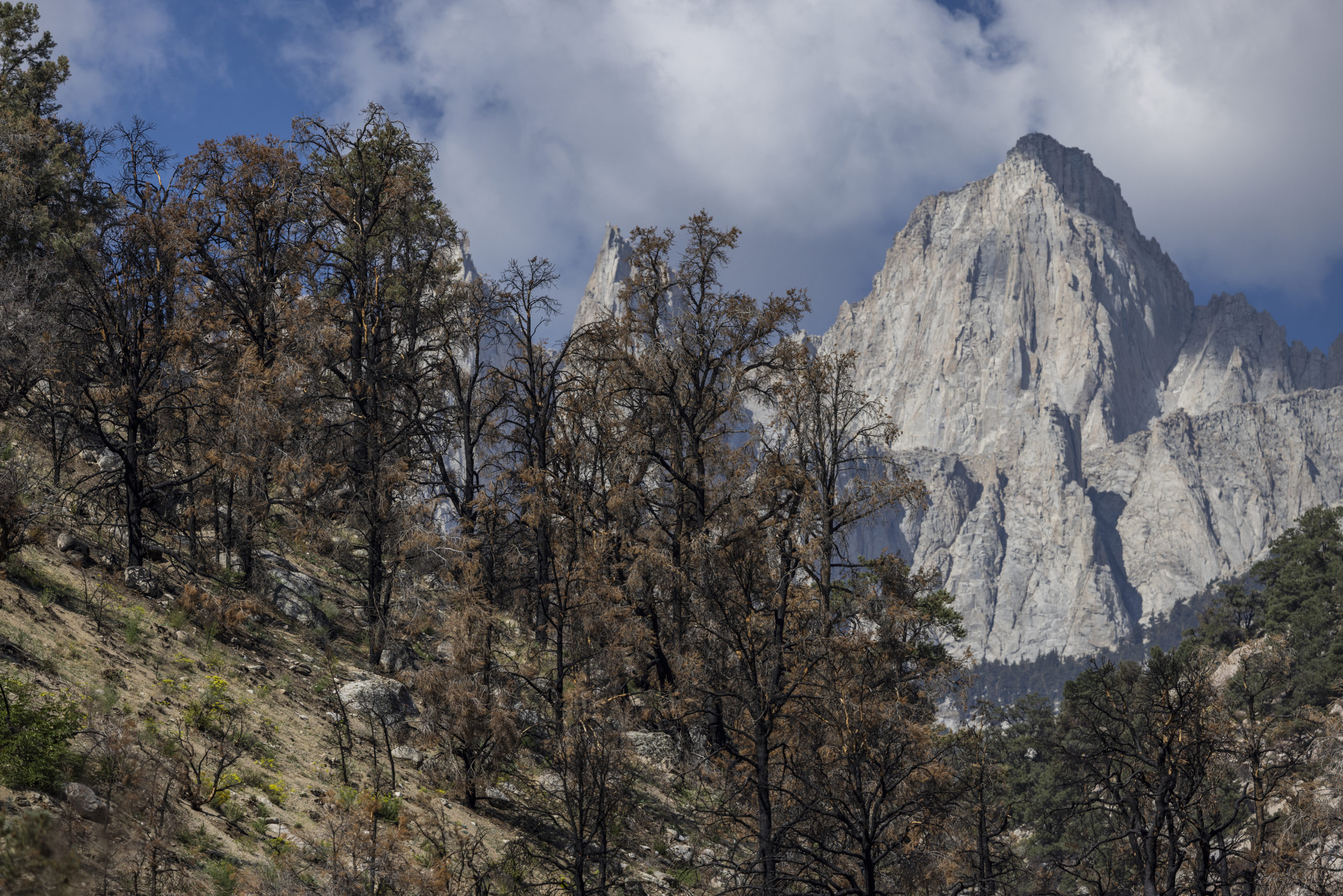
Lone Pine, California
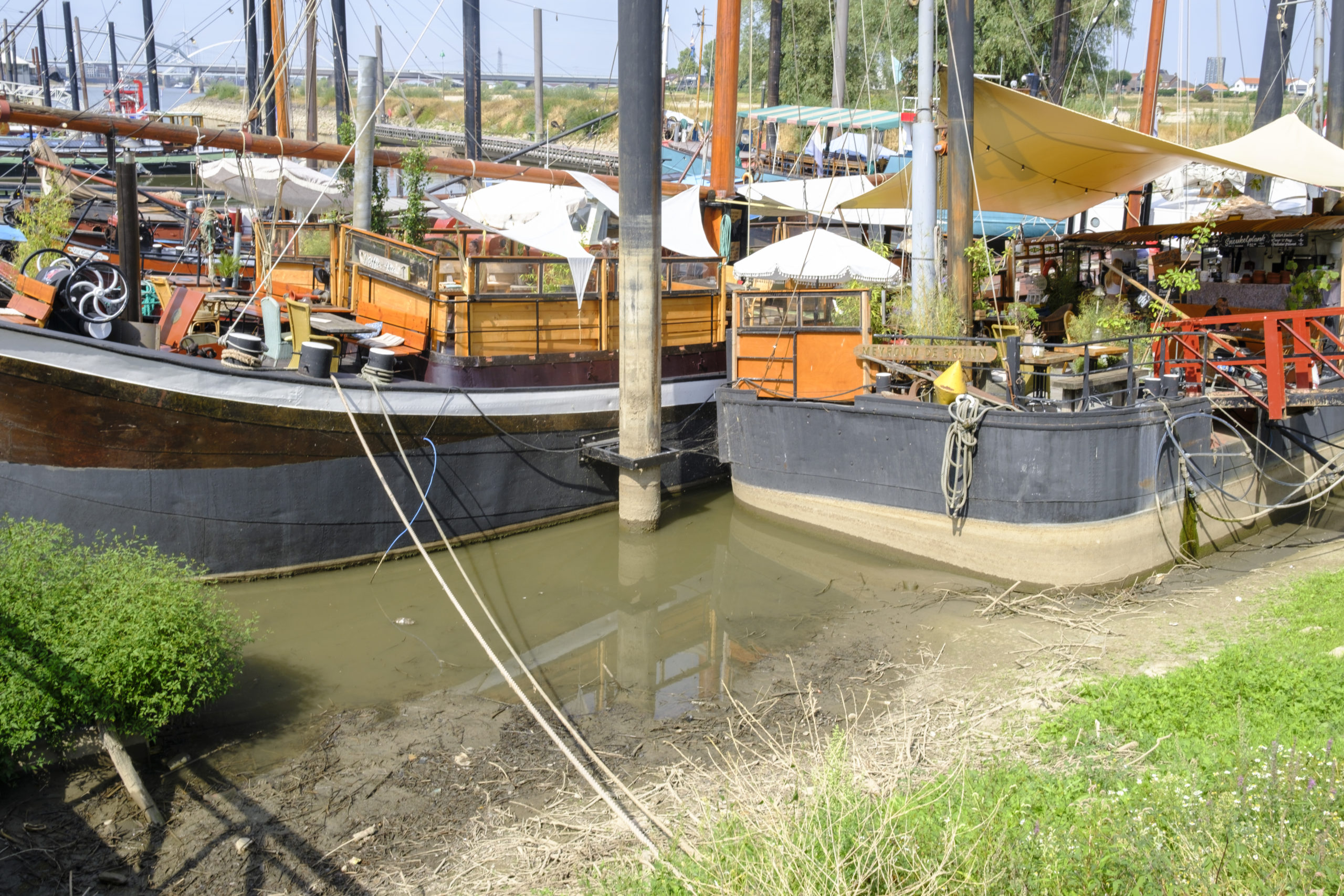
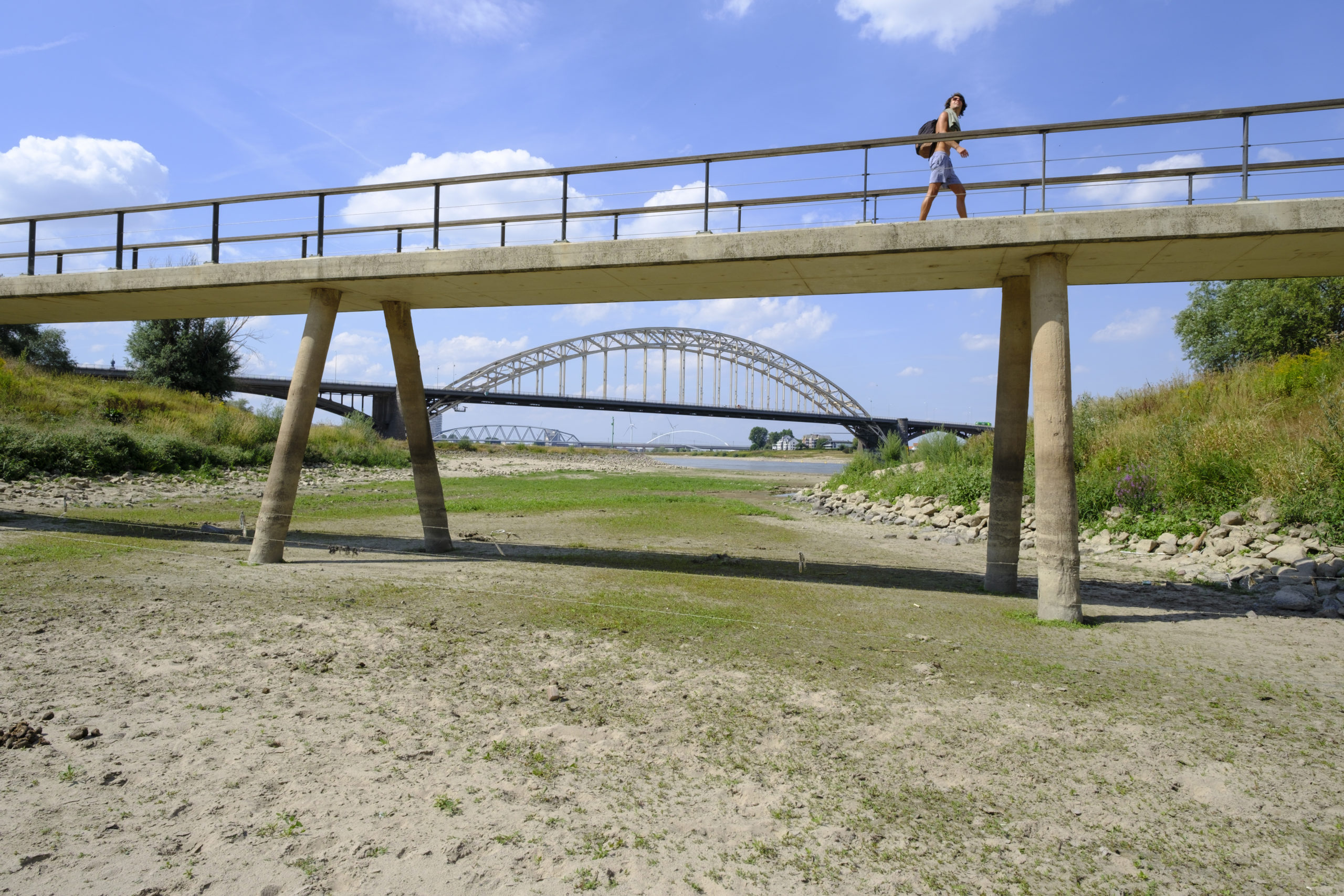
Nijmegen, Netherlands
Neijiang, China
Ubaye Serre-Ponçon, France
Nanchang, China
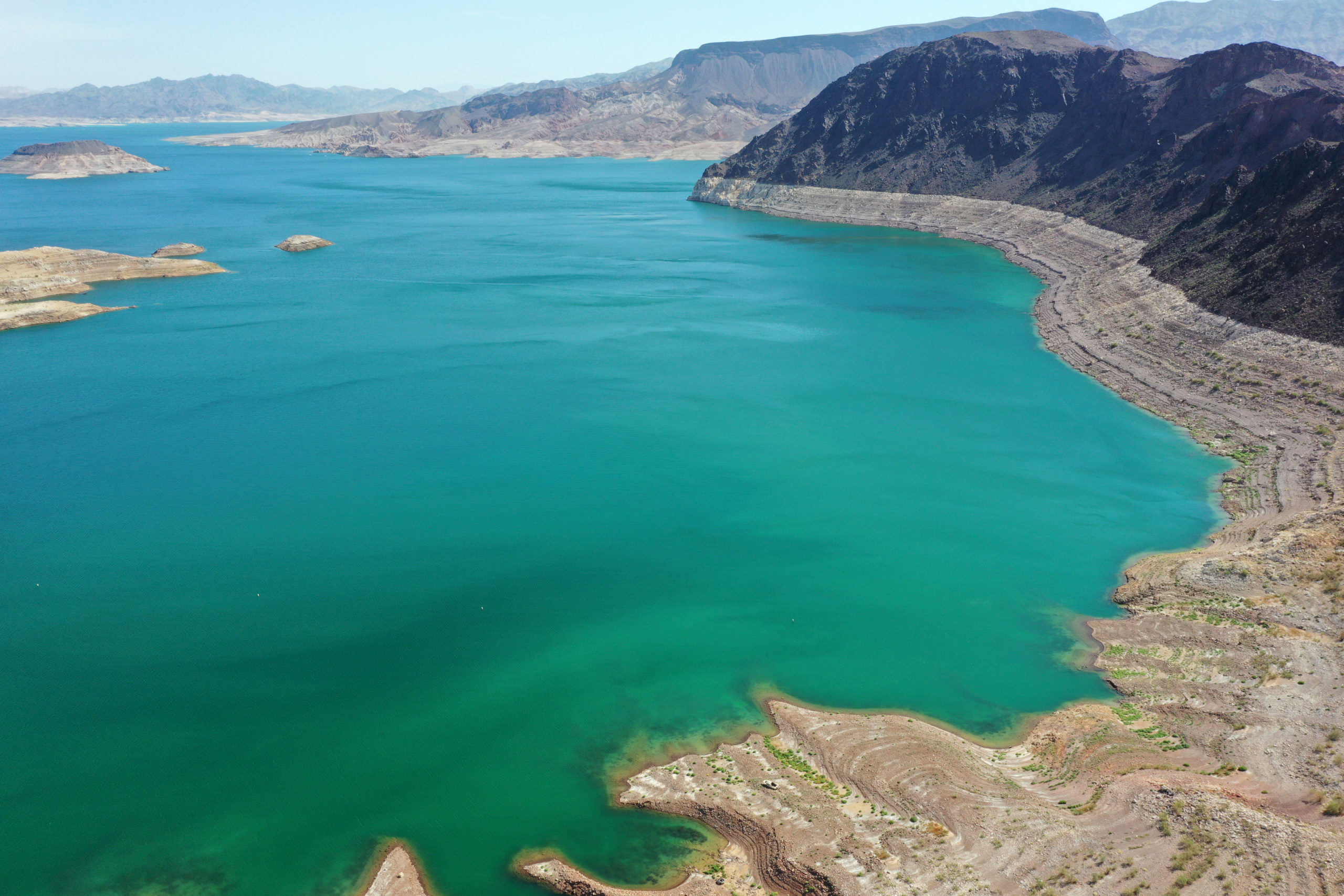
Lake Mead, Nevada
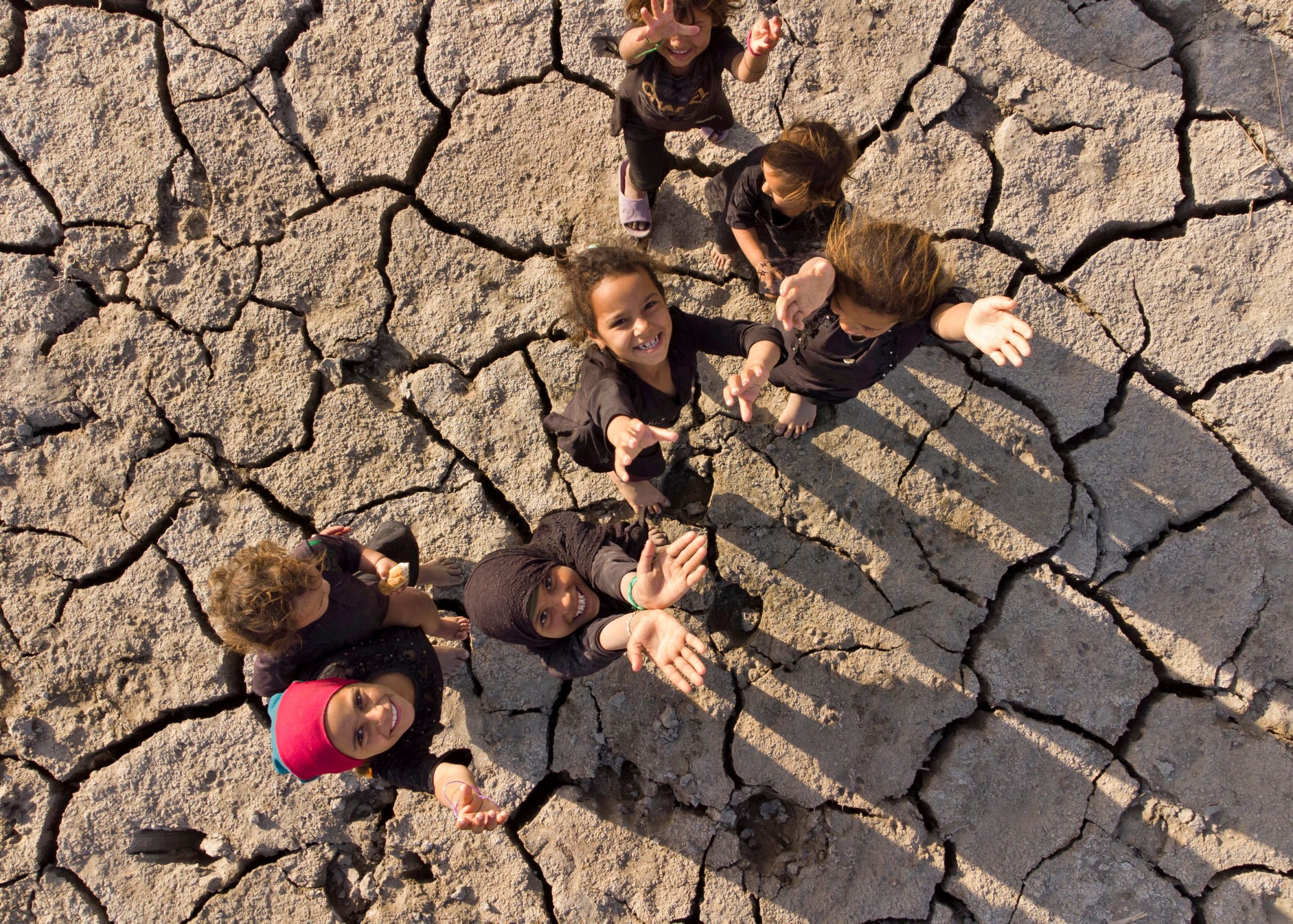
Chabyish, Iraq
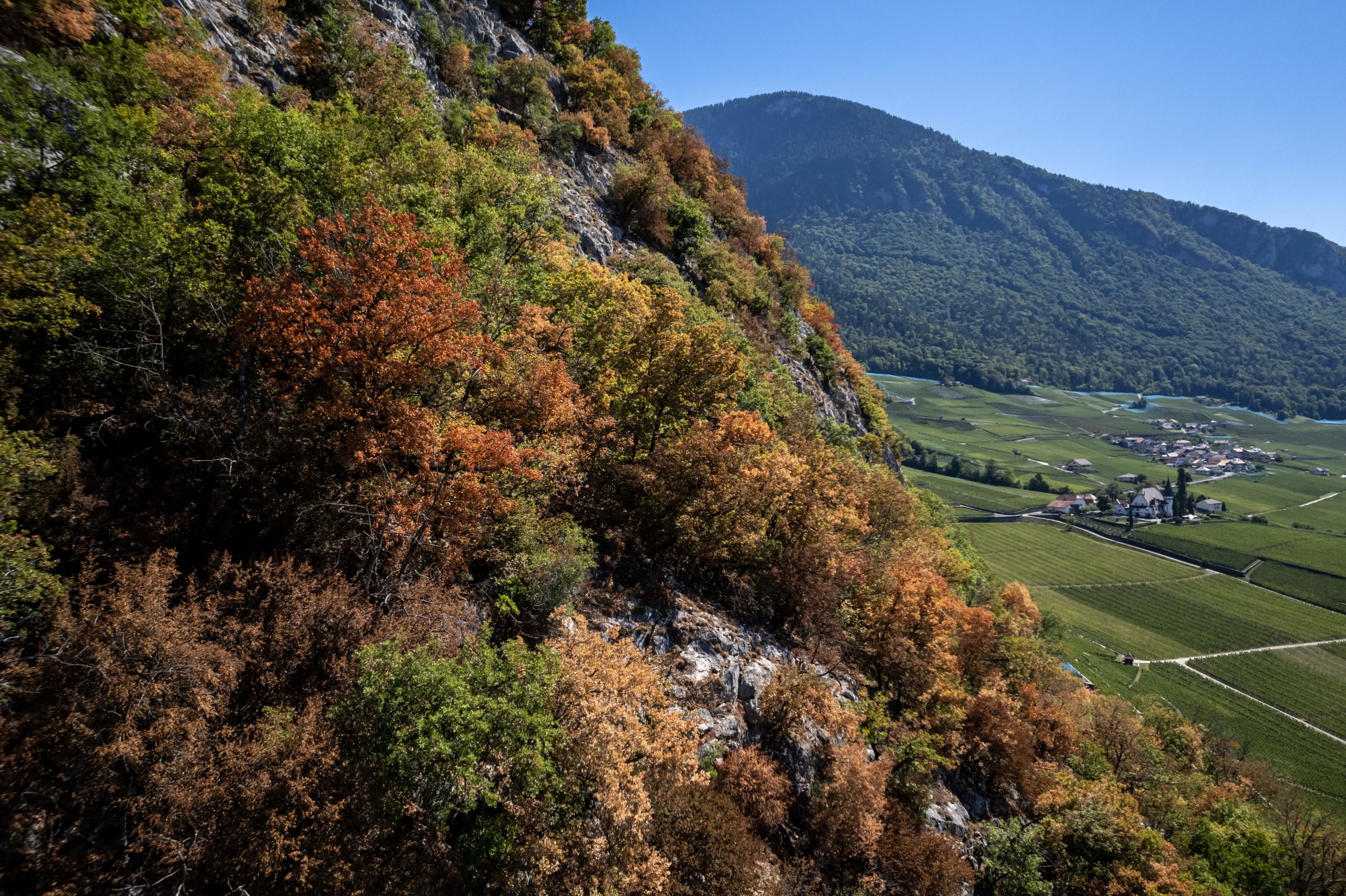
Yvorne, Switzerland
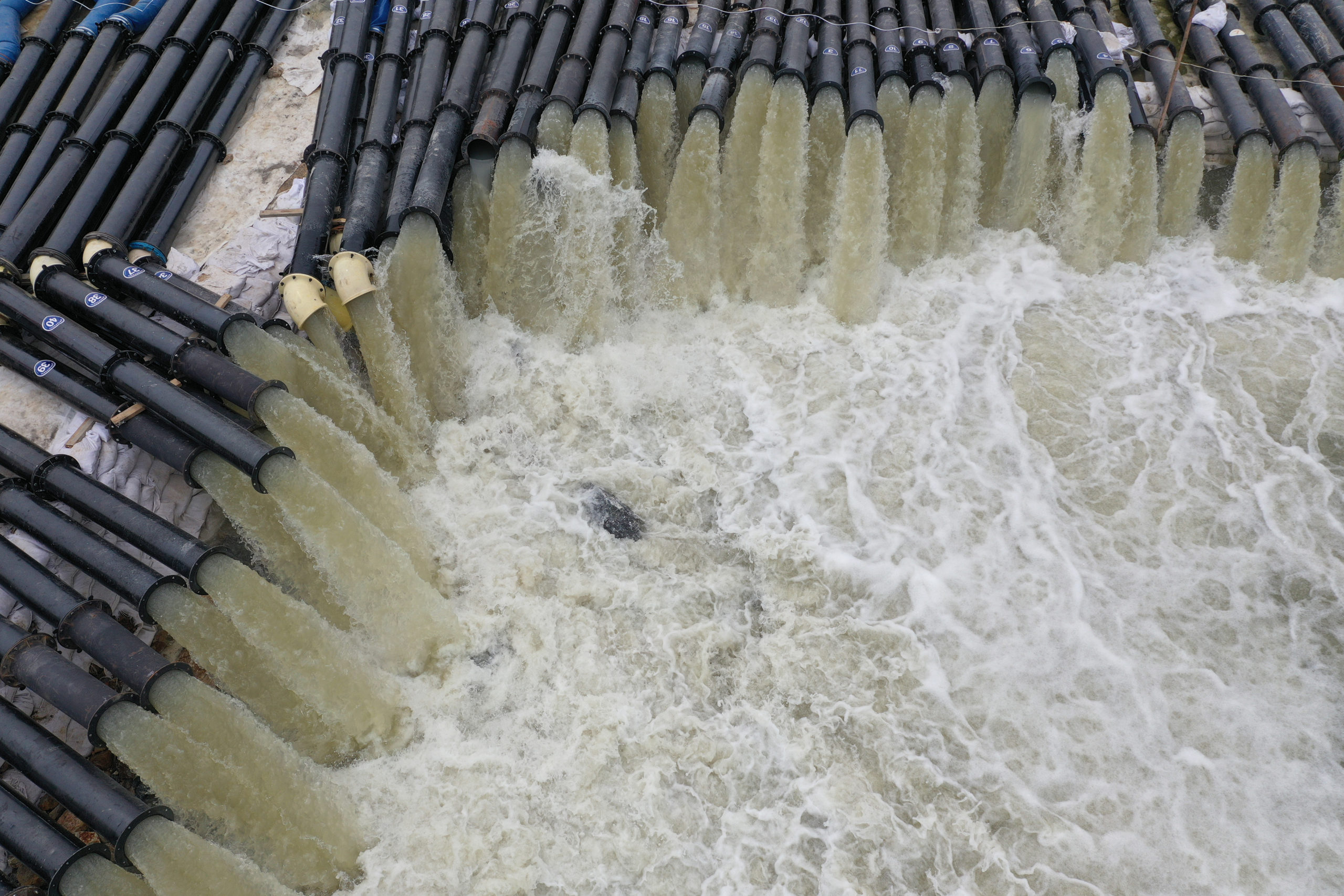
Nanjing, China
Lone Pine, California
Ooyse Schependom, Netherlands
Lyon, France
Daoxian, China


Ooyse Schependom, Netherlands
Ouled Essi Masseoud, Morocco
What Was He Doing?
For all the dribbling of new facts, suspicions and theories I confess that I still can’t make sense of what on earth Donald Trump was doing with all those documents. One finds oneself hesitating to say such things because it brings forth a rush of shaming claims of naïveté. So let me clear that, yes, I know all the possibilities and I’ll do you one better by noting that I’ve seen all the countless examples showing that Donald Trump is ready to betray his country at the drop of his hat to advance his own ends. We’ve seen him do it multiple times.
Continue reading “What Was He Doing?”As Colorado River Dries, the US Teeters on the Brink of Larger Water Crisis
This story first appeared at ProPublica. ProPublica is a Pulitzer Prize-winning investigative newsroom. Sign up for The Big Story newsletter to receive stories like this one in your inbox.
The western United States is, famously, in the grips of its worst megadrought in a millennium. The Colorado River, which supplies water to more than 40 million Americans and supports food production for the rest of the country, is in imminent peril. The levels in the nation’s largest freshwater reservoir, Lake Mead, behind the Hoover Dam and a fulcrum of the Colorado River basin, have dropped to around 25% of capacity. The Bureau of Reclamation, which governs lakes Mead and Powell and water distribution for the southern end of the river, has issued an ultimatum: The seven states that draw from the Colorado must find ways to cut their consumption — by as much as 40% — or the federal government will do it for them. Last week those states failed to agree on new conservation measures by deadline. Meanwhile, next door, California, which draws from the Colorado, faces its own additional crises, with snowpack and water levels in both its reservoirs and aquifers all experiencing a steady, historic and climate-driven decline. It’s a national emergency, but not a surprise, as scientists and leaders have been warning for a generation that warming plus overuse of water in a fast-growing West would lead those states to run out.
I recently sat down with Jay Famiglietti, the executive director of the Global Institute for Water Security at the University of Saskatchewan, to talk about what comes next and what the public still doesn’t understand about water scarcity in the United States. Before moving to Canada, Famiglietti was a lead researcher at NASA’s water science program at the Jet Propulsion Laboratory in Pasadena, California, and a member of the faculty at the University of California, Irvine. He pioneered the use of the Gravity Recovery and Climate Experiment satellites to peer into the earth’s mass and measure changes in its underground water supplies. The Colorado River crisis is urgent, Famiglietti said, but the hidden, underground water crisis is even worse. We talked about what U.S. leaders either won’t acknowledge or don’t understand and about how bad things are about to get.
Our conversation has been edited for length and clarity.
Let’s start with the Colorado River because it’s in the news. The federal government has put some extraordinary numbers out there, suggesting water users cut between 2 and 4 million acre-feet of water usage starting this year — roughly 40% of the entire river’s recent flow. How could that possibly happen?
It’s going to be really hard. We’re looking at drastically reduced food production and the migration of agriculture to other parts of the country and real limits on growth, especially in desert cities like Phoenix. My fear is that groundwater will, as usual, be left out of the discussion — groundwater is mostly unprotected, and it’s going to be a real shit show.
Remind us how that happens. States and farmers cut back on the Colorado River, and California and Arizona just start pumping all the water out of their aquifers?
Yeah. This started with the drought contingency plan [the 2018 legal agreement among the states on the Colorado River]. Arizona had to cut nearly 20% of its Colorado River water. To placate the farmers, the deal was that they would have free access to the groundwater. In fact, something like $20 million was allocated to help them dig more wells. So, it was just a direct transfer from surface water to groundwater. Right away, you could see that the groundwater depletion was accelerating. With this latest round, I’m afraid we’re just going to see more of that.
Some of that groundwater actually gets used to grow feed for cattle in the Middle East or China, right? There’s Saudi-owned agriculture firms planting alfalfa, which uses more water than just about anything, and it’s not for American food supply. Do I have that right?
There’s been other buyers from other countries coming in, buying up that land, land grabbing and grabbing the water rights. That’s happening in Arizona.
What about in California? Groundwater depletion has caused the earth to sink in on itself. Parts of the Central Valley are 28 feet lower today than they were a century ago.
California passed the Sustainable Groundwater Management Act in 2014, which mandated an extraordinarily long time horizon: two years to form the Groundwater Sustainability Agencies and then five years for each GSA to come up with its sustainability plan. So that’s now: 2022. And then 20 years to come into sustainability. My fear is that the slow implementation will allow for too much groundwater depletion to happen. It’s sort of the same old, same old.
But could it work?
I don’t think we’re talking about sustainability. I think we’re talking about managed depletion. Because it’s impossible to keep growing the food that we grow in California. It’s agriculture that uses most of the groundwater. The math just isn’t there to have sustainable groundwater management. If you think of sustainability as input equals output — don’t withdraw more than is being replenished on an annual basis — that’s impossible in most of California.
Will we run out of water? Are we talking about 10 years or 100 years?
Yes. We are on target to. Parts of the Central Valley have already run out of water. Before SGMA, there were places in the southern part of the valley where I would say within 40 to 50 years we would run out or the water is so saline or so deep that it’s just too expensive to extract. SGMA may slow that down — or it may not. I don’t think the outlook is really good. Our own research is showing that groundwater depletion there has accelerated in the last three years.
Then what happens? What does California or Arizona look like after that?
It looks pretty dry. Even among water users, there’s an element that doesn’t understand that this is going to be the end for a lot of farming. Farmers are trying to be really efficient but also magically want the supply of water to be sustained.
We focus on the big cities like Phoenix and Las Vegas, but it’s farms that use 80% of water. They grow crops that provide huge amounts of the winter fruits and vegetables and nuts for the entire country. Is there any way that farming in California and Arizona can continue even remotely close to how it is today?
I don’t think so. It has to drastically change. We’ll need wholesale conversion to efficient irrigation and different pricing structures so that water is better valued. We’ll need different crops that are bred to be more drought tolerant and more saline-water tolerant. And we’ll probably have a lot less production.
What does that mean for the country’s food supply?
This is the big question. I don’t want to be flippant, but people don’t understand the food-water nexus. Do we try to bring more water to the southern high plains, to Arizona, to California, because if the food system’s optimized, maybe that’s the cheapest thing to do? Or does agriculture move to where the water is? Does it migrate north and east? It’s not just food production. What about the workers? Transportation? If we were to move all of our agriculture to northern California, into Idaho, into North Dakota over the next decade, that’s a major upheaval for millions and millions of people who work in the ag industry.
It’s really interconnected, isn’t it? The nation essentially expanded West beginning in the 19th century in order to build a food system that could support East Coast growth. The Homestead Act, the expansion of the railroads, was partially to put a system in place to bring stock back to the meat houses in Chicago and to expand farming to supply the urban growth in the East.
I don’t think a lot of people really realize that, right? When I go to the grocery store in Saskatoon, my berries are coming from Watsonville, California. The lettuce is coming from Salinas, California.
Farmers in the West are fiercely independent. So, in California, Arizona, do they lose the ability to choose what to plant?
Right now, there’s freedom to plant whatever you want. But when we look out a few decades, if the water cannot be managed sustainably, I don’t actually know. At some point we will need discussions and interventions about what are the needs of the country? What kind of food? What do we need for our food security?
Let’s discuss California. Its governor, Gavin Newsom, has advanced a lot of progressive climate policies, but he replaced the water board leader, who pushed for groundwater management across the state, and last month the agency’s long-serving climate change manager resigned in protest of the state’s lax water conservation efforts. What does it mean if a liberal, climate-active governor can’t make the hard decisions? What does that say about the bigger picture?
There has been a drop off from the Jerry Brown administration to the Newsom administration. Water has taken a step lower in priority.
Is that a sign that these problems are intractable?
No. It’s a sign that it’s just not as high a priority. There are tough decisions to be made in California, and some of them won’t be popular. You can see the difference between someone like Brown, who was sort of end-of-career and just like, “Screw it, man, I’m just going to do this because it needs to be done,” and someone like Newsom, who clearly has aspirations for higher office and is making more of a political play. We’re not going to solve California’s water problem, but we could make it a lot more manageable for decades and decades and decades. (Newsom’s office has rejected the criticism and has said the governor is doing more than any other state to adapt to climate change. On Aug. 11 his administration announced new water recycling, storage and conservation measures.)
Water wars. It’s an idea that gets batted around a whole bunch. Once, negotiating water use more than a century ago, California and Arizona amassed armed state guard troops on opposite banks of the Colorado River. Is this hyperbole or reality for the future?
Well, it’s already happening. Florida and Georgia were in court as was Tennessee. There’s the dispute between Texas and New Mexico. Even within California they’re still arguing environment versus agriculture, farmers versus fish, north versus south. Sadly, we’re at a point in our history where people are not afraid to express their extreme points of view in ways that are violent. That’s the trajectory that we’re on. When you put those things together, especially in the southern half or the southwestern United States, I think it’s more of a tinderbox than it ever has been.
That’s hopeful.
You’re not going to get any hope out of me. The best you’re going to get out of me is we can manage our way through. I don’t think we’re going to really slow global change. We have to do what we’re doing because we’re talking about the future. But a certain number of degrees warming and a certain amount of sea level rise is already locked in, and all that’s happening in our lifetimes. The best you’re going to hear from me is that we need to do the best we can now to slow down the rates of warming that directly impacts the availability of water. We’re talking about the future of humanity. I think people don’t realize that we’re making those decisions now by our water policies and by our climate change policy.
When people think about water, they think of it as a Western problem, but there’s water shortages across the High Plains and into the South, too.
I don’t think most people understand that scarcity in many places is getting more pronounced. Nationally, let’s look at the positives: It’s a big country, and within its boundaries, we have enough water to be water secure and to be food secure and to do it in an environmentally sustainable way. A lot of countries don’t have that. That’s a positive, though we still have the same problems that everyone else has with increasing flooding and drought. What I really think we need is more attention to a national water policy and more attention to the food, water and energy nexus. Because those are things that are going to define how well we do as a country.
What would a national water policy look like?
It recognizes where people live, and it recognizes where we have water, and then it decides how we want to deal with that. Maybe it’s more like a national water/food policy. Moving water over long distances is not really feasible right now — it’s incredibly expensive. Does the government want to subsidize that? These are the kind of things that need to be discussed, because we’re on a collision course with reality — and the reality is those places where we grow food, where a lot of people live, are running out of water, and there are other parts of the country that have a lot of water. So that’s a national-level discussion that has to happen, because when you think about it, the food problem is a national problem. It’s not a California problem. It’s not a Southern, High Plains, Ogallala, Texas Panhandle problem. It’s a national problem. It needs a national solution.
Is this a climate czar? A new agency?
Something like that. We’re failing right now. We’re failing to have any vision for how that would happen. In Canada, we’re talking about a Canadian water agency and a national water policy. That could be something that we need in the United States — a national water agency to deal with these problems.
In the Inflation Reduction Act we finally have some legislation that will help cut emissions. There’s plenty of other talk about infrastructure and adaptation — seawalls and strengthening housing and building codes and all of those sorts of things. Where would you rank the priority of a national water policy?
It’s an absolute top priority. I like to say that water’s next, right after carbon. Water is the messenger that’s delivering the bad news about climate change to your city, to your front door.
We don’t usually mix concern over drought with concern over contamination, but there was a recent study about the presence of “forever” chemicals in rainfall and salt washing off the roads in Washington, D.C., and contaminating drinking water. Can these remain separate challenges in a hotter future?
It doesn’t get discussed much, but we’re seeing more and more the links between water quality and climate change. We’ve got water treatment facilities and sewers close to coasts. During drought, discharge of contaminants is less diluted. The water quality community and the water climate communities don’t really overlap. We’ve done a terrible job as stewards where water is concerned.
Globally, what do you want Americans to think about when they read this?
The United States is kind of a snapshot of what’s happening in the rest of the world. There’s no place we can run to. Things are happening really, really fast and in a very large scale. We as a society, as a country or as a global society are not responding with the urgency, with the pace and the scale that’s required. I am specifically talking about rapid changes that are happening with freshwater availability that most people don’t know about. The problems are often larger than one country. A lot of it is transboundary. And we’re just not moving fast enough.
News flash.
Around the world the water levels have just continued to drop. In the Middle East or India. In fact, they’re getting faster. It’s actually a steeper slope.
So, the Colorado River is the least of our worries.
Globally? It’s not even as bad as the others. Arizona doesn’t really show up as much compared to some of these places.
A Legal Filing Sheds Some Light On What May Have Happened To All Those Jan. 6 Text Messages
The ongoing investigation into what happened to text messages from top Trump administration political appointees and Secret Service agents in the days after the January 6th insurrection has Congress, watchdogs and the media all scratching their heads.
Continue reading “A Legal Filing Sheds Some Light On What May Have Happened To All Those Jan. 6 Text Messages”What to Read
Phoenix New Times: Abe Hamadeh Wants to be Arizona’s Top Cop. As a Teen, He Bragged About Voter Fraud
Pittsburgh Post-Gazette: Investigating Anna: The tale of a Fake Heiress, Mar-a-Lago and an FBI Investigation
Politico: RNC chief on tape to donors: We need help to win the Senate