

After nearly two hours, ferocious whipping and a dark-horse defection, Speaker Mike Johnson (R-LA) secured the gavel on the first ballot.
Continue reading “Johnson Finally Flips Holdouts To Secure Gavel In Prolonged First Vote “A Bit More on the Cybertruck Story
It’s some testament to our times that there was an immediate and big hunger among many people to find some way that Matthew Livelsberger’s suicide-cum-Cybertruck fireworks incident in Las Vegas was tied in some way to the ISIS-inspired terrorist attack in New Orleans. The chances of that being the case now seem increasingly remote. I have yet to see any clear theory of what “message” Livelsberger was trying to send by torching his rented Cybertruck in front of a Trump building. But a pretty dark picture is emerging of the man himself, which provides some background for the ideation if not the “message” itself. Livelsberger appears to have been a hardcore Trump supporter and, in the description of at least one person who knew him, a chronic rage case who was abusive to multiple partners.
Continue reading “A Bit More on the Cybertruck Story”The House GOP Has Been Ungovernable For More Than A Decade
A lot of things happened. Here are some of the things. This is TPM’s Morning Memo. Sign up for the email version.
Pass The Popcorn, I Guess?
If you trace the current era of Republicanism to the tea party era that started in 2010, then we’re 14 years into the kind of chaos being demonstrated again today on the Hill, where the GOP is unable to govern itself let alone a country.
I suppose that if Speaker Mike Johnson pulls out a re-election win, you could argue no harm/no foul. But the structural incentives that create this kind of recurring chaos will remain. It’s a mix of things we’ve talked about for years: a close margin in the House that gives the hard-right members more clout; performative destruction as a form of politics that eventually eats its own; extremism both collectively and individually that is rewarded with high media profiles and adoration from the right-wing base.
If Johnson does manage to make his way to victory without a complete debacle it will be because he threaded a very tight needle, helped along by Donald Trump and MAGA Republicans controlling all of DC, and not because those structural problems have ebbed.
What You Need To Know About The Speaker Vote
- The House begins its work at noon ET.
- How the math works
- Combine a dozen GOP members who are uncertain votes for Johnson with the sure “No” vote of Rep. Thomas Massie (R-KY), and you can see why a first-ballot win isn’t a sure thing for Johnson.
- Johnson is avoiding the kind of side deals to win today’s vote that crippled the speakership of Kevin McCarthy.
- If Johnson is forced out, there’s no obvious viable alternative to him for speaker.
At TPM Today
- With TPM’s Kate Riga on the Hill, we’ll be liveblogging the speaker vote today,
- TPM’s Josh Kovensky will be in federal court today in the Southern District of New York for Rudy Giuliani’s contempt hearing. Stay tuned for his report later today.
Rudy G’s Turn In the Wringer
A federal judge in Manhattan today will consider holding former NYC Mayor Rudy Giuliani in contempt of court for failing to turn over his assets in a timely fashion to satisfy the $148 million defamation judgment against him by Georgia election workers Ruby Freeman and Shaye Moss.
End Of Congress House-Cleaning
The Office of Congressional Ethics referred campaign finance allegations against Reps. Andy Ogles (R-TN) and Sheila Cherfilus-McCormick (D-FL) to the House Ethics Committee for further review.
Good Catch
Over at Just Security, David Luban shows how the House GOP omitted an essential part of a DC Bar rule it cited in order to gin up a bogus criminal referral of Liz Cheney for her work on the Jan. 6 committee.
FBI Releases New Video Of Jan. 6 Pipe Bombs Suspect
Just ahead of the four-year anniversary of the still-unsolved Jan. 6 pipe bombs case, the FBI released new details and security footage of the suspect:
New Orleans Truck Attacker Was A Lone Wolf
- “Investigators believe the U.S. Army veteran who drove a pickup truck into a New Orleans crowd acted alone, and they have found no link between that terrorist attack and the deadly explosion of a Tesla Cybertruck in Las Vegas that was driven by another servicemember.”–WSJ
- “Shamsud-Din Jabbar, who was shot and killed by New Orleans police officers after opening fire, had posted videos to social media on his way to New Orleans, proclaiming his support for ISIS,’ said Christopher Raia, deputy assistant director of the FBI’s counter-terrorism division.”–NOLA.com
- “Five years before a man in a pickup mowed down dozens of New Year’s revelers in New Orleans, a confidential security report warned that the iconic Bourbon Street tourist strip was vulnerable to a ‘vehicular ramming’ attack.”–NYT
Vegas Truck Explosion Ruled Suicide
- “The highly decorated Army soldier inside a Tesla Cybertruck packed with fireworks that exploded outside Trump International Hotel in Las Vegas shot himself in the head just before detonation, authorities said Thursday.”–AP
- “Matthew Livelsberger, who died Wednesday according to the Army, was an active-duty Green Beret and had served in the Army for 19 years. … Livelsberger had been a soldier during the peak of U.S. combat in Afghanistan and Iraq and had numerous combat deployments, according to the Army. Livelsberger was a highly decorated combat soldier who was awarded the Bronze Star with valor among several commendations.”–USAToday
- “Livelsberger, who had ties to Colorado Springs, Colo., had been on vacation leave from his base in Germany when the explosion occurred and was due back on Jan. 4.”–WSJ
Good-BYE, Net Neutrality
Appeals court uses the Supreme Court’s Loper Bright decision to strike down the FCC’s net neutrality rules.
Good Read
Michael Schaffer uses (ironically) a new think tank report to peel back the curtain on DC think tank world.
South Korea Update
- “South Korean investigators arrived at the presidential residence with a warrant to detain impeached President Yoon Suk Yeol over his short-lived imposition of martial law, but faced resistance from presidential security staff as hundreds of Yoon’s supporters gathered outside vowing to protect him.”–AP
- “South Korean investigators failed to arrest the country’s impeached President Yoon Suk Yeol, thwarted by his armed Secret Service bodyguards in another tense showdown resulting from his short-lived martial-law decree last month.”–WSJ
- “The agency, accompanied by some 2,700 law enforcement officials on Friday, abandoned its five hour-long effort to arrest Yoon after it was blocked by a security team that includes a military unit designated with guarding the South Korean leader. Clashes ensued during that standoff, the CIO said, and it will demand Yoon’s head of security appear for questioning on Saturday.”–Bloomberg
Extra Incentive For Dry January
Surgeon general calls for cancer warnings on alcohol as growing body of research shows risk of even moderate drinking.
How Extreme Car Dependency Drives Unhappiness
“A new study … found that while having a car is better than not for overall life satisfaction, having to drive for more than 50% of the time for out-of-home activities is linked to a decrease in life satisfaction.”–The Guardian
Visualization Of The Day
Do you like Morning Memo? Let us know!
Johnson Performs Confidence As Dems Vow Perfect Attendance
House Democrats are reportedly planning to hold their full caucus’ 215-member-strong line during the speakership election on Friday, as incumbent Speaker Mike Johnson (R-LA) vies to re-secure his place as head of one arm of the incoming Republican trifecta.
Continue reading “Johnson Performs Confidence As Dems Vow Perfect Attendance”More on the Cybertruck Incident
A small update on the Cybertruck incident in Vegas, since I discussed it in today’s Backchannel. The 37-year-old active-duty soldier in the vehicle apparently shot himself in the head moments before the car ignited. He was also, according to his uncle, a big Trump supporter. Needless to say (or I hope it’s needless to say), this makes the motive for this incident pretty hard to make sense of. Given the apparent suicide and other outlandish parts of what happened it seems obvious that mental health issues likely played some role. But this goes a bit beyond making bad decisions or having a general suicidal ideation. Even in the context of some distorted reasoning, what was the message? What was the point? I’ve seen a number of people propose that the dead soldier may have been angry about Trump’s new fealty to Musk. On its face this struck me as the kind of over-ornate theory you’d come up with if you’re spending too much time on social media and had too much time on your hands. But the truth is I haven’t been able to come up with any more plausible theory.
It’s always good to remember that people who rent a car, drive it from Colorado Springs to Las Vegas and then light the car on fire and shoot themselvs in the head probably aren’t thinking in very linear ways or ways that are going to make sense to the rest of us. But it’s still pretty hard to figure.
Political Violence and the Great Disinhibition
For years there’s been a running conversation in the United States about whether the country is heading towards a second Civil War. That conversation often stumbles on the fact that America’s profound divides today don’t line up on any clear regional lines, despite what the maps of presidential election results might seem to show. Divisions are at best intra-regional. So any kind of replay of the 1860s is highly unlikely. But of course plenty of civil wars either had no clear regional breakdown or at least don’t start with one — the Spanish Civil War, the Russian Civil War, the Chinese Civil War, the Syrian Civil War. Before going further I should note that as a general matter I’m a “no” on this question of “are we headed to a second American civil war?” But events yesterday and those of last month suggest the possibility of something more realistic and still ominous.
Let’s quickly review the details: yesterday in New Orleans we had what appears to be an ISIS-inspired lone wolf terrorist attack. The FBI is now discounting initial suspicions that others might be involved. Events like these happened with some frequency in the U.S. for a number of years. But there’s been some respite, more or less since the Pandemic. Then a Tesla Cybertruck exploded in front of a Trump building in Las Vegas. The driver was killed and the car appeared to be filled with high-powered fireworks and gas canisters. It’s still not clear what this incident was about. That’s not remotely how you’d build a car bomb if you wanted to injure anyone. But it certainly doesn’t seem like an accident either.
Continue reading “Political Violence and the Great Disinhibition”Trump Traffics In Racist Disinfo After New Year’s Day Attack
A lot of things happened. Here are some of the things. This is TPM’s Morning Memo. Sign up for the email version.
Manufacturing Anti-Immigrant Hysteria
President-elect Donald Trump falsely blamed illegal immigration and claimed personal vindication in the violent attack that killed 15 New Year’s revelers in New Orleans.
In a Truth Social post the morning of the attack, Trump manufactured hysteria over “criminals coming in” to the country. Trump continued to falsely blame “Biden ‘Open Border’s Policy’” Thursday morning, long after incorrect reports – that the rented truck in the New Orleans attack was driven across the border from Mexico – had been debunked.
The alleged attacker was a native born U.S. citizen and Army veteran from Texas.
In both posts, Trump crowed that the attack proved him correct.
Death Toll In New Orleans Attack Stands At 15
- A Texas man killed 15 people and injured more than 30 others when he drove a rented pickup truck flying an Islamic State flag down Bourbon Street early New Year’s Day.
- Bourbon Street was closed to vehicular traffic, but the culprit managed to plow through temporary barricades in place while a permanent system of bollards were being replaced with a newer system.
- Shamsud-Din Jabbar, the alleged culprit in the attack, was killed in a shootout with police.
Meanwhile, In Las Vegas …
Investigators are exploring whether there’s any link between the New Orleans attack and the explosion of a Tesla Cybertruck at the Trump International Hotel in Las Vegas on New Year’s Day. The driver of the vehicle was killed in the incident:
WATCH: The moment a Tesla Cybertruck exploded this morning in front of Trump International Hotel in Las Vegas
— MeidasTouch (@meidastouch.com) January 1, 2025 at 2:33 PM
[image or embed]
The Cybertruck was reportedly rented in Colorado through the Turo app, the same method used to obtain the truck in the New Orleans attack. The FBI and ATF are “conducting operations and searches in Colorado Springs” as part of the investigation, ABC News reported.
Mike Johnson’s Narrow Path To The Speakership
With Rep. Thomas Massie (R-KY) lined up as a firm no against re-electing Rep. Mike Johnson as House speaker, all eyes turn to Rep. Chip Roy (R-TX). The loss of two GOP votes should be enough to deny Johnson election as speaker, meaning that he has a narrow path to victory and avoiding another prolonged stretch of chaos in which the House GOP majority is unable to elect anyone as speaker. The first vote on speaker is expected Friday.
Quote Of The Day
“If they thought I had no Fs to give before, I definitely have no Fs to give now.”–Rep. Thomas Massie (R-KY), who is opposed to Rep. Mike Johnson’s reelection as speaker of the House
House GOP To Make It Harder To Remove Speaker
Under a new rules package unveiled this week, House Republicans would raise the bar for removing the speaker by increasing the number of members required to trigger a motion to vacate from one to nine.
Proof Of Citizenship To Vote Is A Top GOP Priority
Among the first dozen bills the House GOP majority is aiming to pass in the new Congress is one to require proof of citizenship to register to vote in federal elections.
Taking On Big Tax Prep
TPM’s Hunter Walker: Ron Wyden’s Fight For Free Tax Filing Is A Blueprint For Future Democratic Battles Against Trump
Biden To Honor Liz Cheney
In a White House ceremony today, President Biden will bestow the Presidential Citizens Medal, the second highest honor for American civilians, on 20 recipients, including Rep. Bennie Thompson (D-MS) and former Rep. Liz Cheney (R-WY), who served as chair and vice chair, respectively, of the House Jan. 6 committee.
Assessing Biden’s Impact On The Federal Courts
The WSJ’s Jan Wolfe:
Many of Biden’s appointees … succeeded other like-minded judges, meaning that the overall ideological dynamics didn’t change much.
Where Biden made a lasting impact, however, was in appointing judges that represent a broader swath of America. …
Another Biden priority was selecting nominees with a broader array of professional experience, including by appointing former federal public defenders to a judiciary that has been disproportionately represented by former prosecutors.
Scathing Reviews Of Chief Justice’s Annual Report
Chief Justice John Roberts issued a spicier-than-usual annual report on the judiciary,
- “The chief justice said nothing about the Supreme Court’s own actions that might have contributed to a diminished public standing, including a string of conservative decisions that independents and Democrats consider partisan rather than principled and a refusal to adopt an enforceable code of conduct despite ethical clouds surrounding some justices’ behavior.”–WSJ
- “[T]he nine pages from Roberts come across as more of a lashing out than a reasoned report. … The end result is a chilling, if vague, condemnation by Roberts of the widespread opposition to the extremism exhibited by the high court in its decisions and the ethical failings of justices responsible for those decisions.”–Chris Geidner
- “[T]he Chief Justice’s report not only fails to even acknowledge the public discourse; it takes a position that is either wholly indifferent or remarkably oblivious to it—offering a remarkably un-nuanced view of when criticism crosses the line into ‘illegitimate activity.’ In the process, the report also neglects to acknowledge what is, in my view, an even greater threat to judicial independence today: the continuing erosion of public faith in the courts that’s reflected in (but not caused by) much of the good-faith criticism that is out there. In those respects, at least, it’s a remarkably tone-deaf missive from someone who ought to know better.”–Steve Vladeck
Trans Attacks Watch
- Among the first dozen bills the House GOP majority has teed up for the new Congress is one to amend Title IX to provide that in athletics “sex shall be recognized based solely on a person’s reproductive biology and genetics at birth.”
- Texas Attorney General Ken Paxton sues NCAA over transgender athletes competing in women’s sports.
- More battles over transgender rights await Supreme Court.
A Triple Threat To Humanity
In a short new essay, Michael E. Mann and Peter J. Hotez identify climate change, pandemics, and anti-science disinformation as the gravest perils to human civilization.
Do you like Morning Memo? Let us know!
Into 2025
Sometimes I will write a post that somewhere midway through the writing starts to feel bloated and overwritten and then, in a pique of writerly nausea, I decide several sentences can and should — no, must, yuck! — do the work of a stable of paragraphs. This post began as one of those posts.
2024 was a deeply disappointing year. It capped two or three years that all had the feeling of playing out bad hands — a presidency defined by the jagged aftermath of COVID (a first-in-half-a-century inflation shock being the jaggedest), an increasingly frail president who couldn’t easily be replaced without doing even more damage than having him run for reelection. This doesn’t address decisions that should have been and could have been made differently. I focus on these because they were based on earlier decisions or events which were either right at the time or very difficult to avoid. Again, that steely but trapped feeling of playing out bad hands.
In 2025 we all face the consequences of those failures. But we are equally liberated from much of that history. Everybody is being dealt a new hand. We can make decisions differently, with more clarity, with less paralyzing concern over sunk costs. If there’s a message of the Biden years, it’s that there’s no simply going back to whatever we thought was the system that more or less worked before Trump arrived on the scene. You have to go forward on the basis of all we’ve seen over the last decade.
My takeaway is what I alluded to in this November piece about being the party of institutions in an era of distrust: Less reflexive protectiveness of institutions and norms and none for ones that can’t concretely justify their necessity in the future rather than the past. Enough valorizing process over results. This isn’t always obvious and doesn’t always come without real risks. But everything involves risk. Caution carries risks. The Trumpists control everything. They are the status quo. They were in many ways already the status quo but they are now in such a way that there is just no murkenizing or hiding it. All the billionaires have arrayed themselves on Trump’s side of the playground and said they’re on his team. We can see who is in charge and who’s powerful and who is the establishment. I find this liberating.
Trump Endorses Supplicant Mike Johnson For Speaker
A lot of things happened. Here are some of the things. This is TPM’s Morning Memo. Sign up for the email version.
Thank You!
As we put a wrap on 2024, a word of thanks for reading Morning Memo and supporting TPM this year. It’s been a momentous and difficult year, and there’s no immediate relief in sight.
We now sit on the brink of a highly uncertain and foreboding era in which Donald Trump had retaken the White House and authoritarianism is on the march globally, putting democracy back on its heels. Later this week a new Republican-controlled Congress will be sworn in, and while it’s only been six years since the GOP controlled the White House and both chambers of Congress, it feels like a very different time than 2017-2019.
Trump Endorses Mike Johnson For Speaker
In post on Truth Social, President-elect Donald Trump endorsed Rep. Mike Johnson (R-LA) to retain the House speakership ahead of a vote by the new House on Friday.
It’s not clear whether Trump’s support – itself an unusual involvement by an incoming president in the affairs of the legislative branch – will be enough to bring the most rabid right-wing members into line behind Johnson and avoid an extended, multi-ballot saga like then-Rep. Kevin McCarthy endured in 2023.
If Johnson does successfully run the gauntlet of his own conference, he will more dependent on the president than any speaker in modern times.
Is The GOP Gonna Take Itself Hostage Over The Debt Ceiling?
With complete GOP control in Washington, the dynamics of its debt-ceiling hostage taking have changed pretty dramatically. But it’s not clear if Republicans themselves recognize that yet. Democrats seem to.
“It’s the bear trap in the bedroom Republicans love to leave around for negotiating purposes,” Sen. Sheldon Whitehouse (D-RI) told Politico. “Now that they’ve got the trifecta, it loses some of its negotiating appeal and remains extremely, extremely dangerous.”
Graves To Resign As US Attorney In DC
DC U.S. Attorney Matthew M. Graves, who has led the investigation and prosecution of Jan. 6 rioters since November 2021, will resign his post effective Jan. 16, before Trump takes office.
Trump Loses Appeal Of E. Jean Carroll Verdict
The U.S. Court of Appeals for the Second Circuit upheld the smaller of the two verdicts that writer E. Jean Carroll won against Donald Trump for sexual abuse and defamation, rejecting Trump’s appeal. Joyce Vance has more.
Elon Musk Watch
The NYT paints quite the scene at Mar-a-Lago since the election:
Mr. Trump has bragged to people that Mr. Musk — the world’s richest man — is “renting” one of the residential spaces at Mar-a-Lago. It is unclear how much Mr. Musk will ultimately end up paying for the cottage, which historically has rented for at least $2,000 a night, according to a person with knowledge of the fees.
Carter To Lie In State Before State Funeral
President Biden declared Thursday, Jan. 9, 2025, to be a national day of mourning for the late Jimmy Carter, culminating in a state funeral for the former president at National Cathedral in Washington, D.C. President Biden will deliver a eulogy. The sons of President Gerald Ford and Vice President Walter Mondale will read eulogies written by their fathers, who predeceased Carter. Ahead of the funeral, Carter will lie in state in the Capitol Rotunda beginning Jan. 7.
Golden Dukes Unveiled!
There are no winners, only losers.
Most Read Morning Memos Of 2024
We publish Morning Memo at TPM and also post it on Substack, so two separate metrics to consider:
On TPM:
- New Trouble Is Brewing In The Mar-a-Lago Case, May 28, 2024
- Federal Judge Directs His Scorn At Trump’s Courtroom Behavior, April 29, 2024
- GOP Stunned To Discover It’s Not Running Against A Cadaver In 2024, March 8, 2024
- Listen Closely Because What Donald Trump Is Saying Is Worse Than Ever, Oct. 15, 2024
- Trump Coup Lawyer Jeff Clark Absolutely Scorched In DC Bar Finding, May 1, 2024
On Substack:
- Not The Fight We Wanted Or Signed Up For But It’s The One We Got, Nov. 6, 2024
- Jack Smith Pounds Trump For His Unprecedented Conduct In MAL Case, Feb. 27, 2024
- Welp, Turns Out Police ARE Investigating Trump’s Arlington Cemetery Fiasco, Sep. 17, 2024
- A Dire New Threat Posed By Trump II Comes Into Focus, Aug. 19, 2024
- Cemetery Staffer Declines To Press Charges For Fear Of Retaliation, Aug. 29, 2024
King Coal
The International Energy Agency’s annual report released this month showed a continuing surge in the consumption of coal worldwide, particularly in China and India. As Javier Blas noted:
The IEA now estimates that global coal demand surged to an all-time high of 8,771 million metric tons this year, up 1% from 2023, as electricity demand rose faster than expected. That shouldn’t be a surprise: The energy transition requires electrifying everything. Renewables are doing some of that job, but coal remains, the go-to fuel to power the energy transition. Worse, the IEA revised higher its historical data, so the increase comes from a significantly higher baseline than before. The world is consuming a lot more coal than we thought – and therefore, it’s polluting the atmosphere a lot more than we thought, too.
Kilauea Summit Eruption Continues
A new eruption at the summit of Kilauea volcano in Hawaii began Dec. 23 and has continued intermittently for the past week, with fountaining lava spreading across the crater floor. A live view of the ongoing eruption:
See Ya Next Year
No Morning Memo on New Year’s Day. We’ll resume in earnest on Thursday.
Do you like Morning Memo? Let us know!
That’s A Wrap On 2024: Photos
This year was a bit of a hot mess. From natural disasters to wars, political violence to a shiny, viral baby hippo — photographers captured some of the year’s most extraordinary scenes.
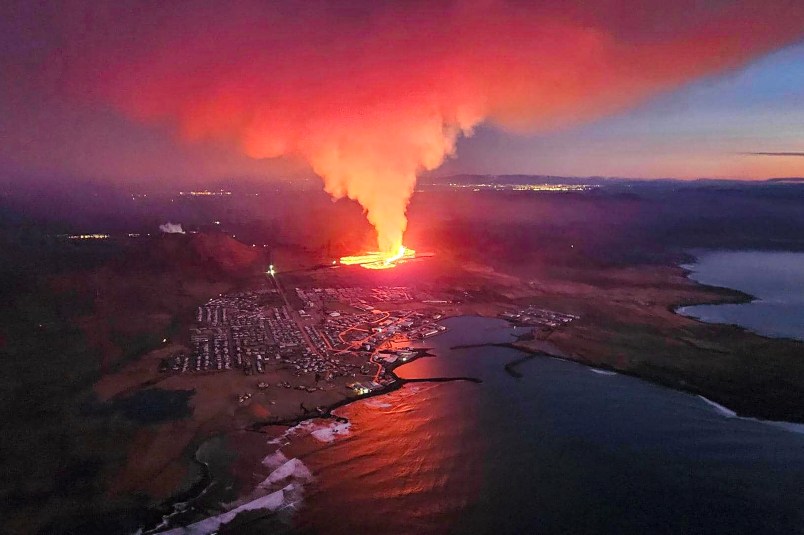
January 14, 2024: Volcanic eruptions in Iceland
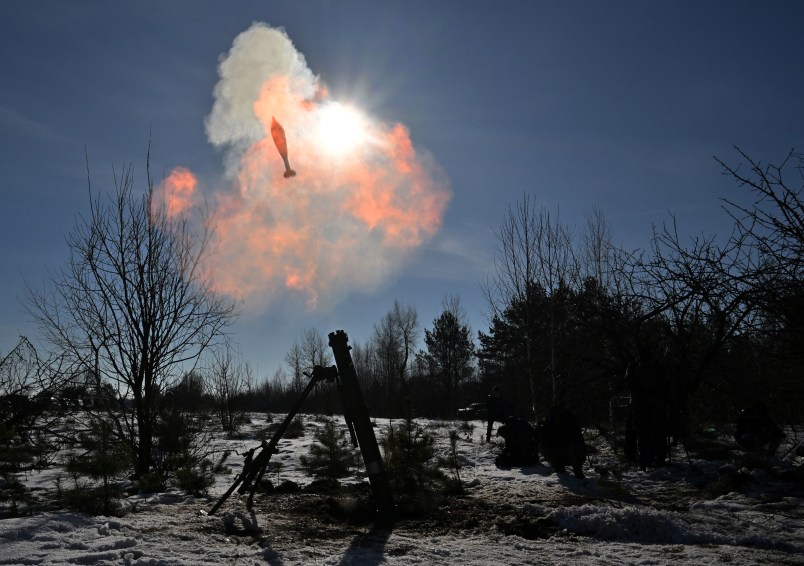
January 30, 2024: Ukrainian military exercises
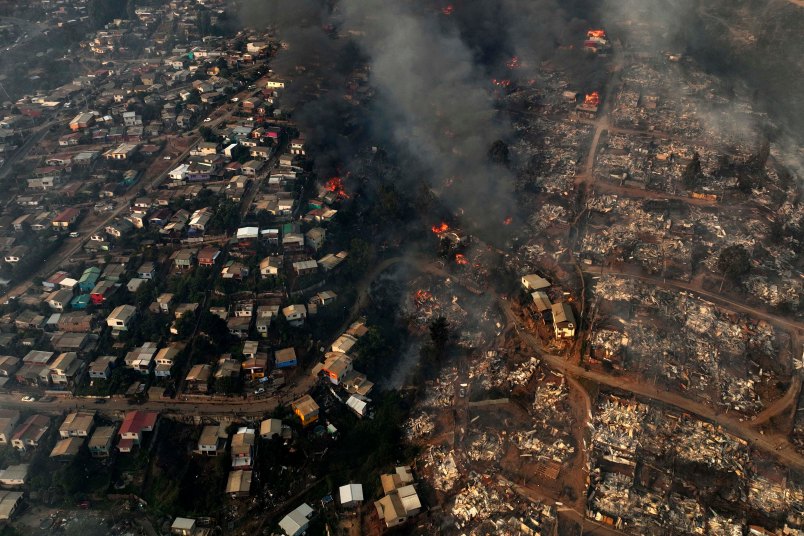
February 3, 2024: Massive fires sweep across central Chile
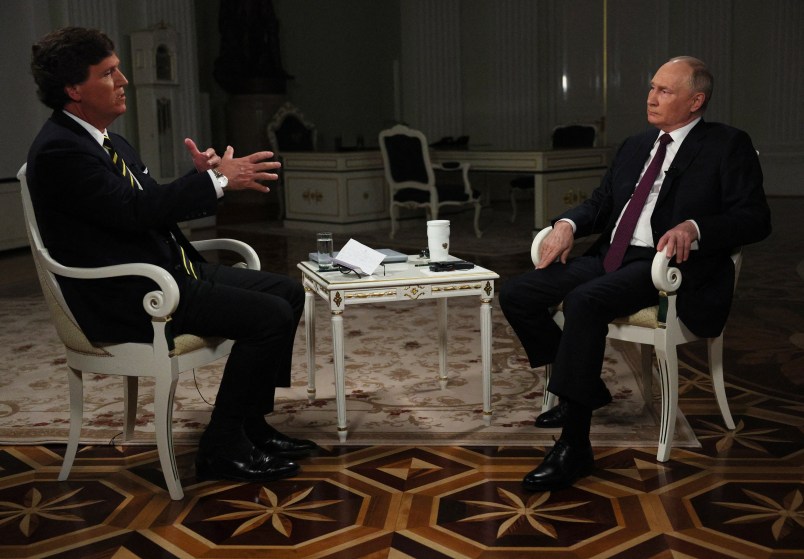
February 6, 2024: Tucker Carlson interviews Vladimir Putin in Moscow
February 16, 2024: Mourners gather after the death of Alexei Navalny
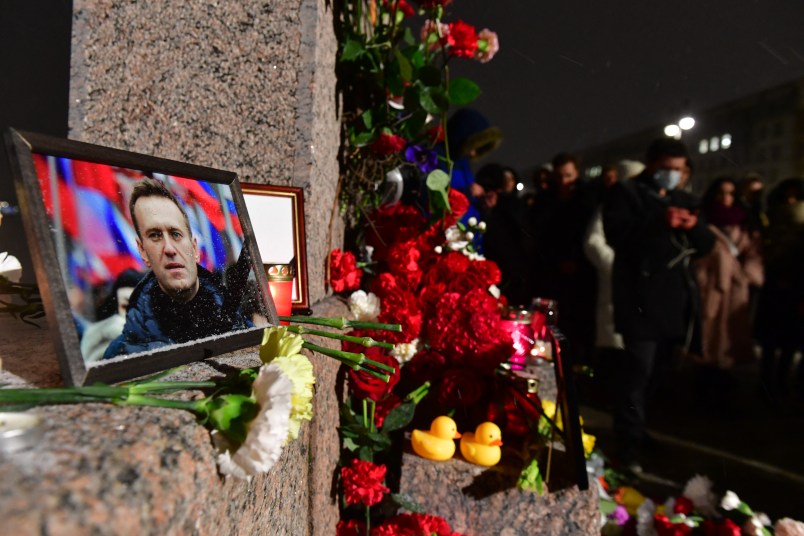
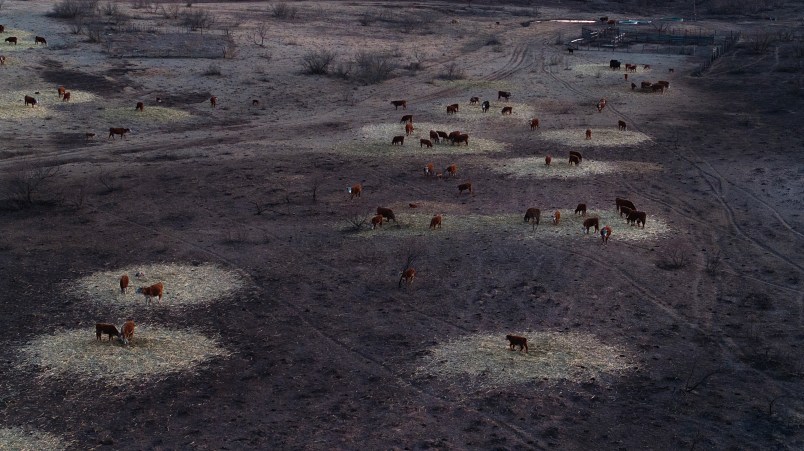
March 4, 2024: Texas experiences its largest wildfire
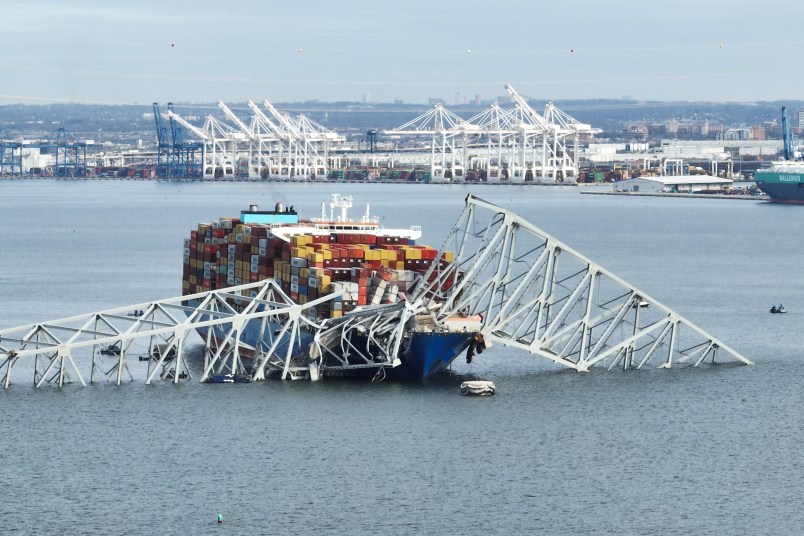
March 26, 2024: Francis Scott Key bridge in Baltimore collapses after being truck by container ship
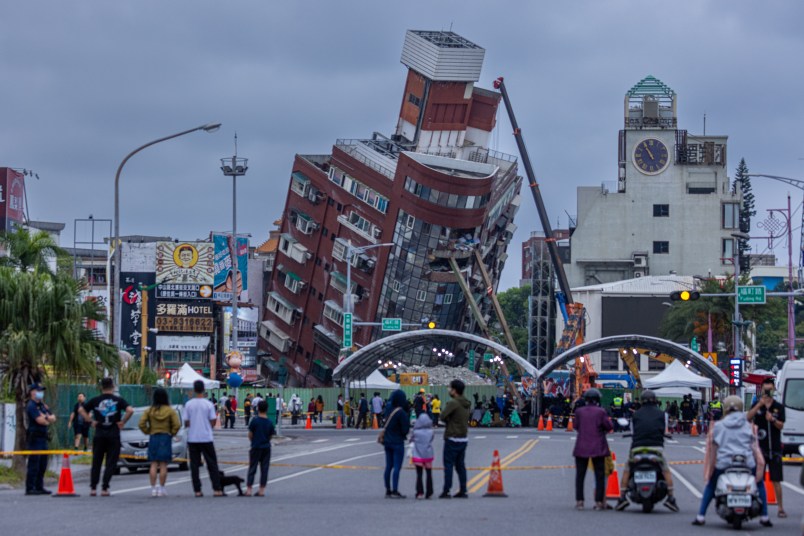
April 5, 2024: 7.5 magnitude earthquake hits Taiwan
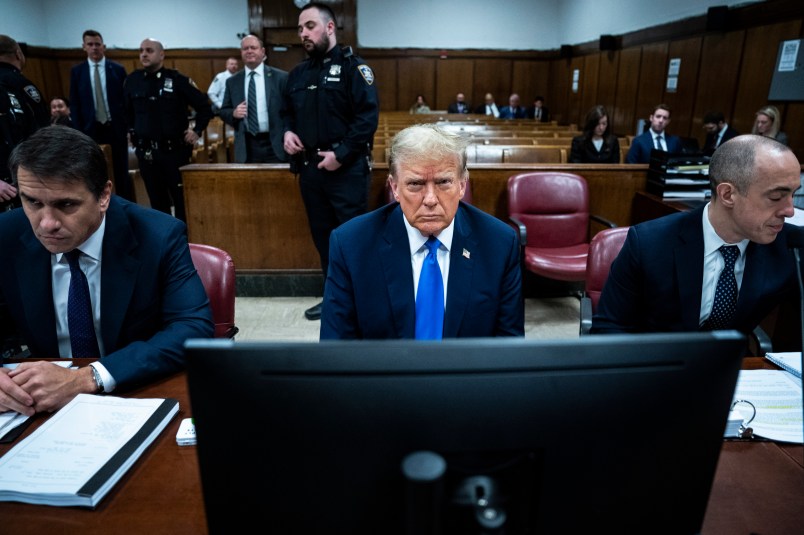
April 18, 2024: Donald trump sits for his criminal trial in New York City
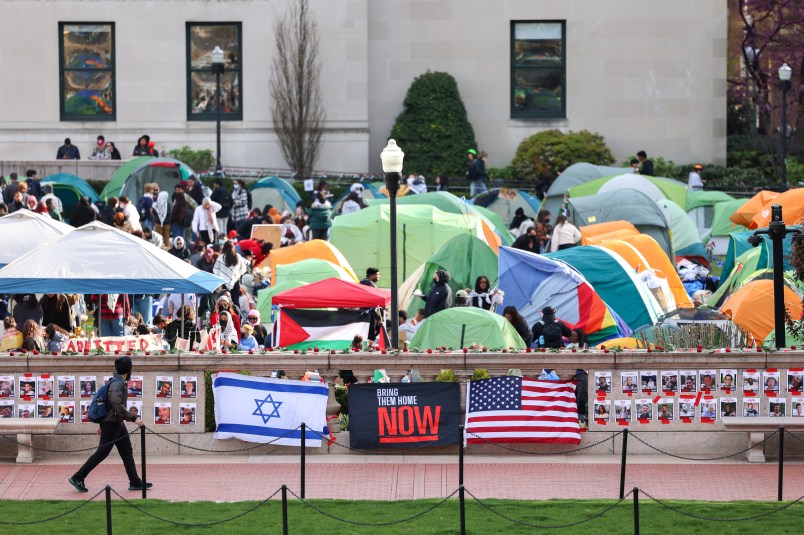
April 23, 2024: Pro-Palistinian encampment at Columbia University
April 23, 2024: People rush to humanitarian aid packages dropped in Northern Gaza

May 6, 2024: Flooding in Brazil
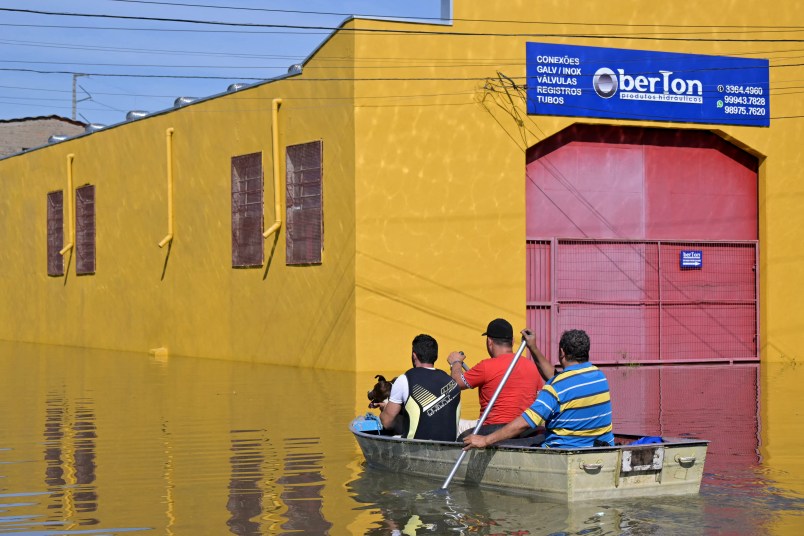
May 9, 2024: Flooding in Kenya

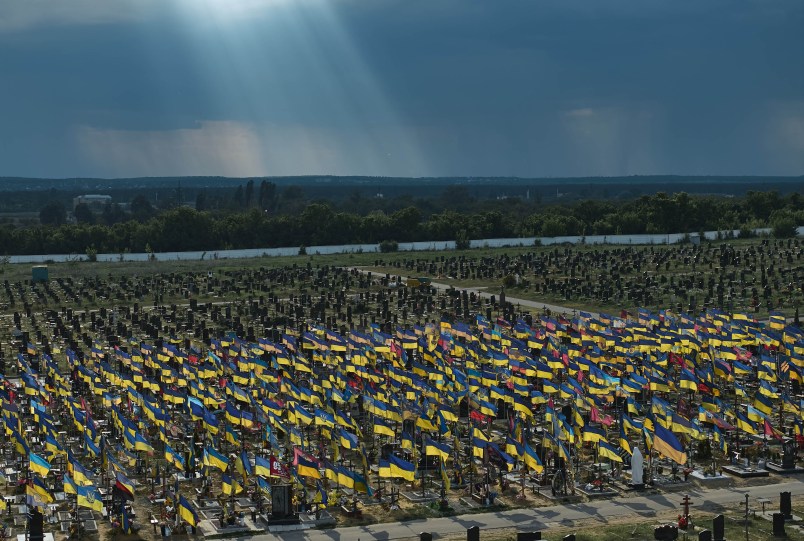
May 21, 2024: Grvaes of Ukrainian soldiers who died fighting in the Ukraine-Russia war
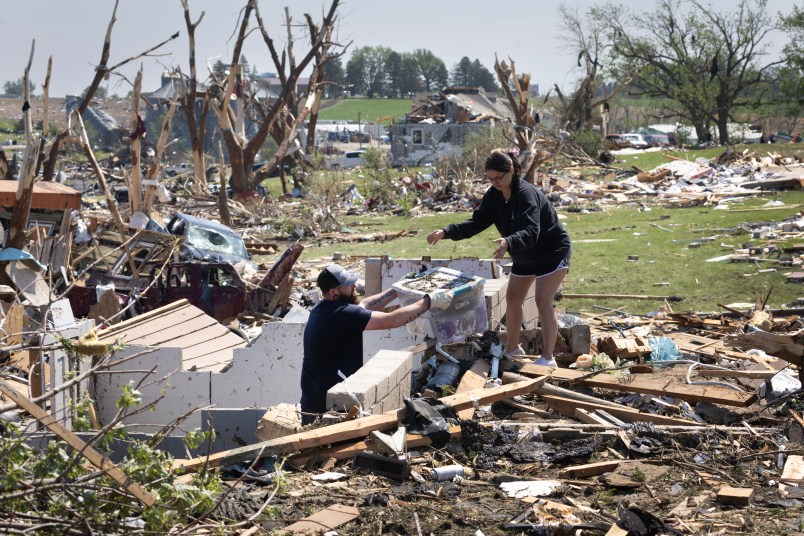
May 22, 2024: Residents go through damage from a tornado in Iowa
April 20, 2024: Paris hosts the Olympic games

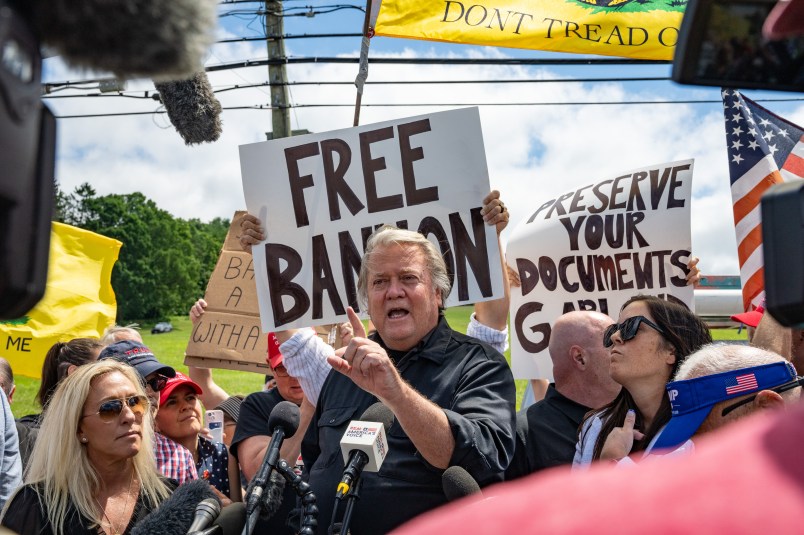
July 1, 2024: Steve Bannon reports to prison in Connecticut
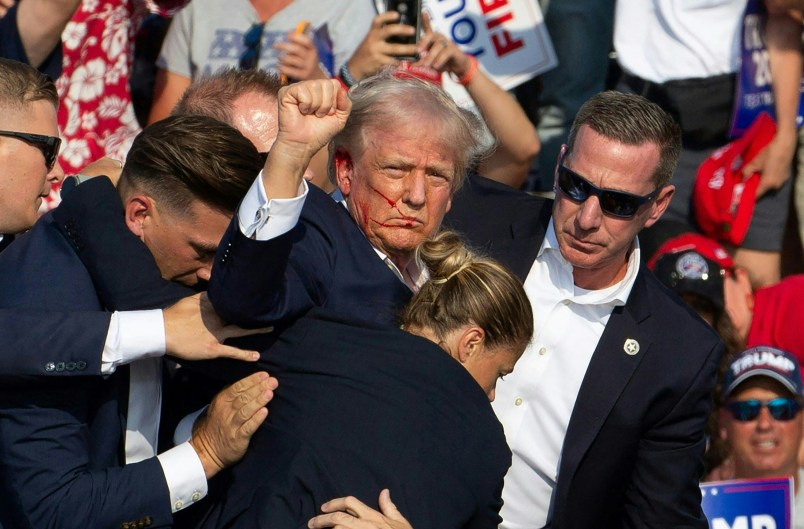
July 13, 2024: The assassination attempt on Donald Trump in Pennsylvania
July 29, 2024: The olympic surfing competition held in Tahiti

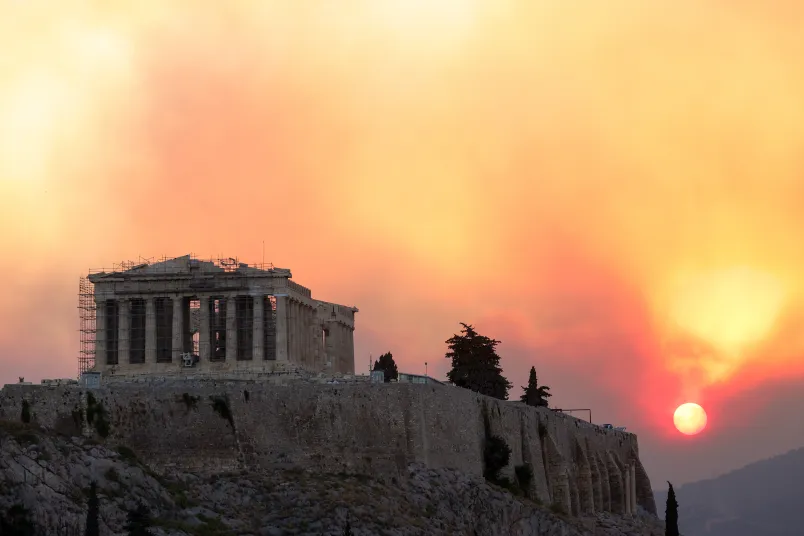
August 12, 2024: Wildfires near Athens, Greece
September 15, 2024: The pygmy hippo Moo Deng becomes internet sensation

September 26, 2024: Hurricane Helene hits Cuba, causing flooding
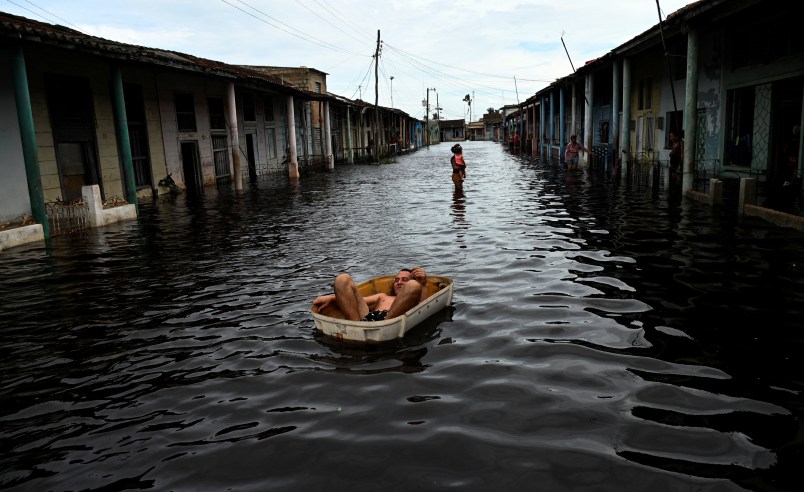
October 1, 2024: Former President Jimmy Carter turns 100

October 2, 2024: We start to see the full scope of damage to North carolina brought by Hurriacne Helen
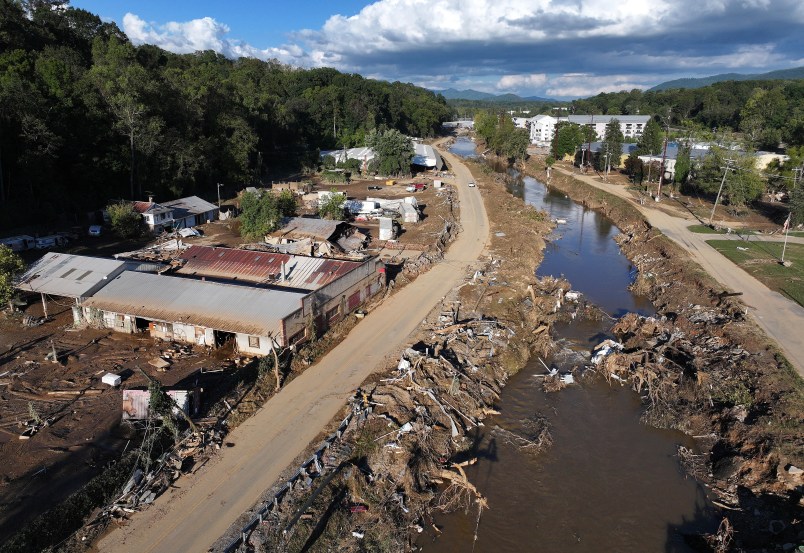
October 5, 2024: Elon Musk starts campaigning with Donald Trump
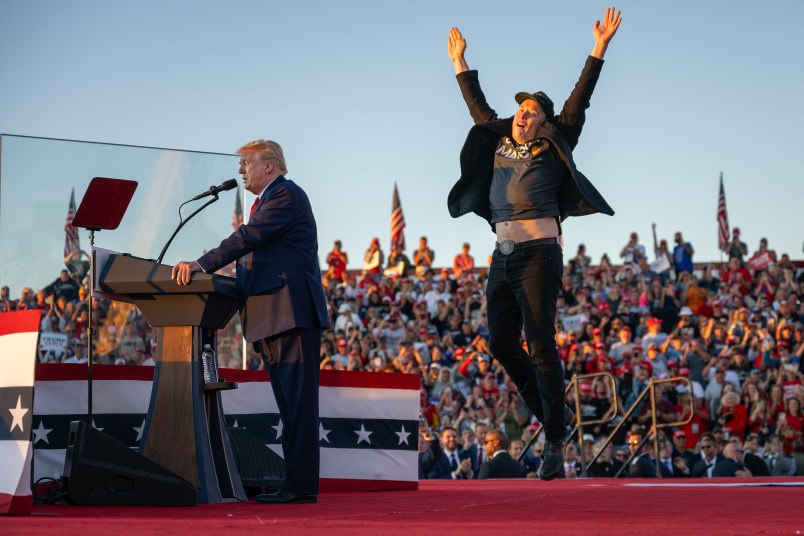
October 4th, 2024: The Nova festival siet and memorial as we approach one year of conflict after the October 7th attack on Israel
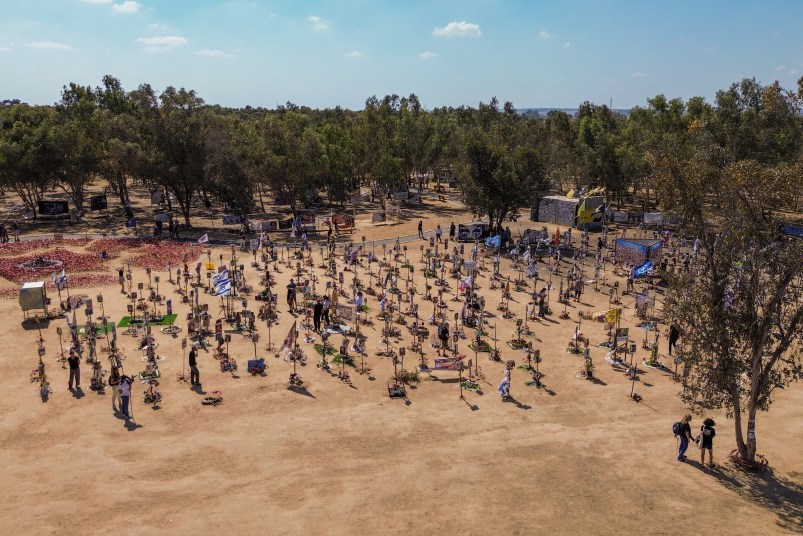
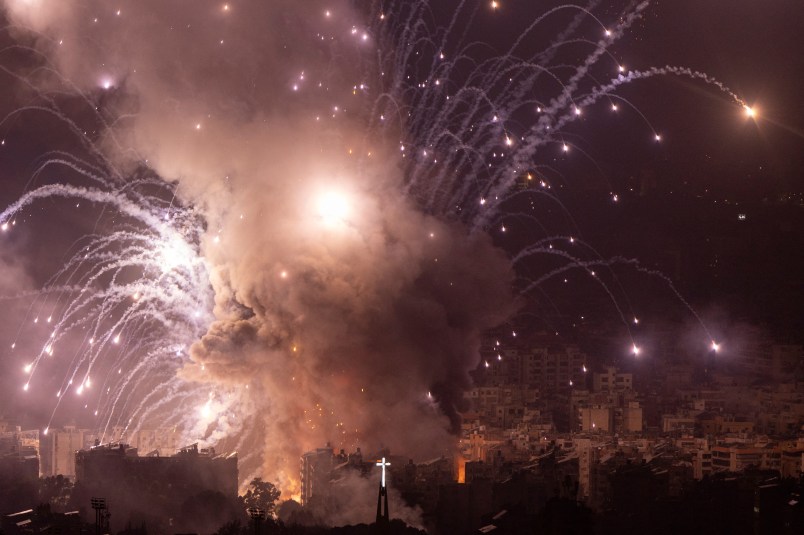
October 6, 2024: Israel conducts airstrikes on Lebanon
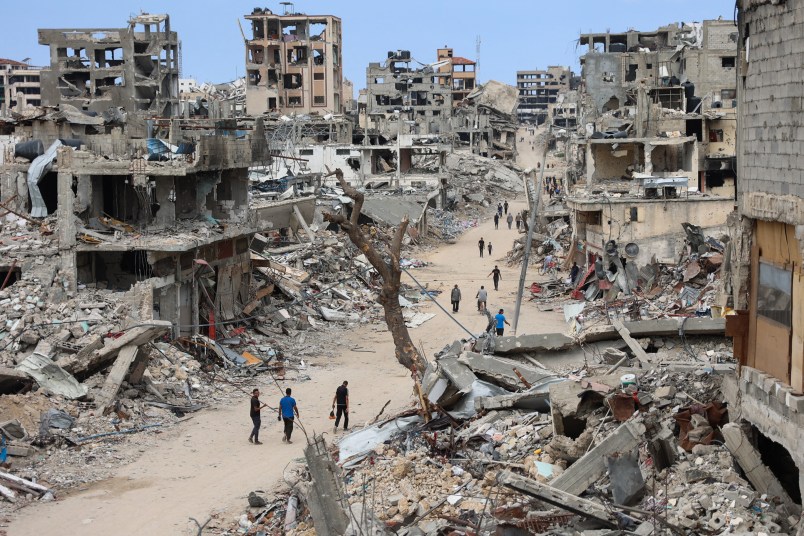
October 7, 2024: Ruins in Gaza City on the anniversary of the October 7 attack on Israel
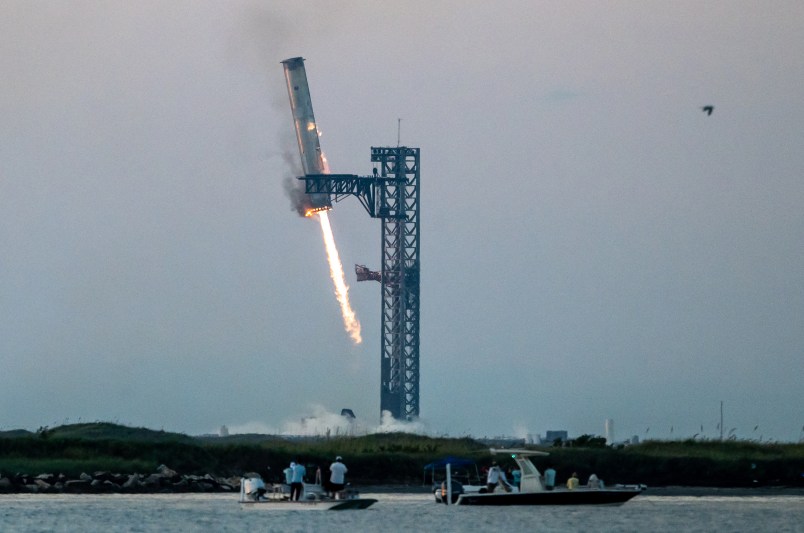
October 13, 2024: SpaceX sucessfully returns Starship megarocket to launchpad after test flight
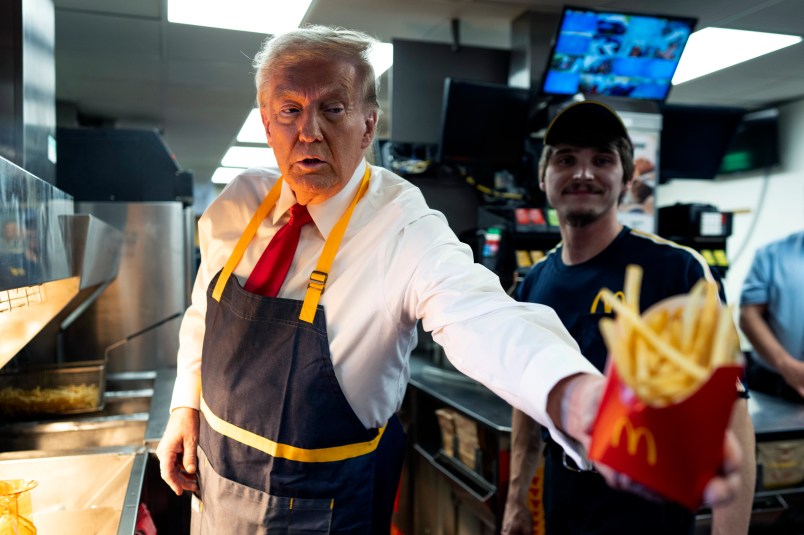
October 20, 2024: Donald Trump campaigns at a McDonald’s
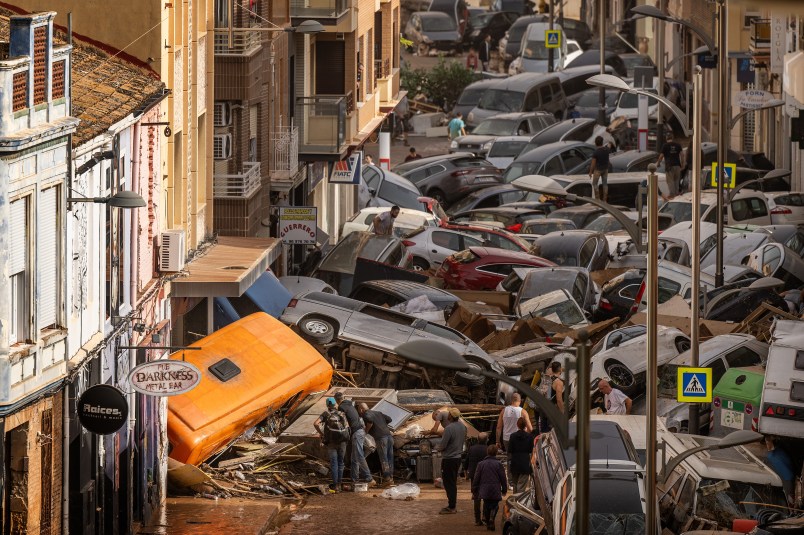
October 30, 2024: Flash floods in Spain’s Valencia region
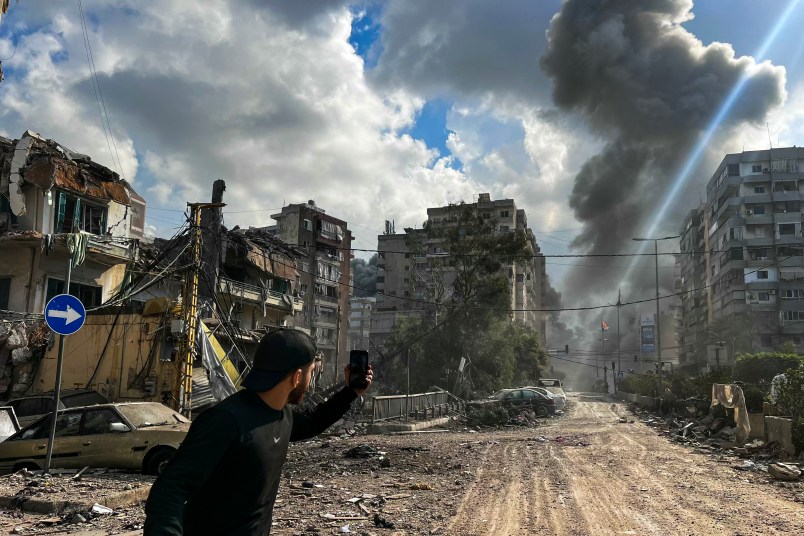
November 13, 2024: Destruction in Beirut amid Israel’s invasion
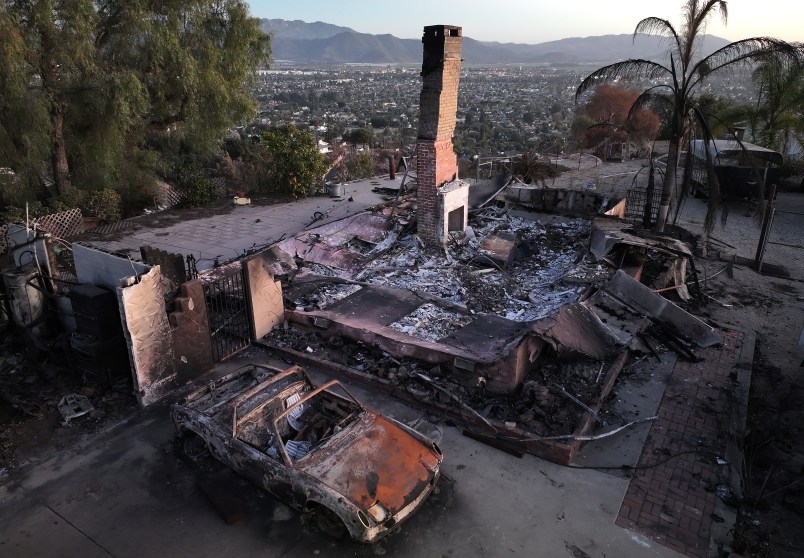
November 22, 2024: The most destructive fire in a decade hits Camarillo, California
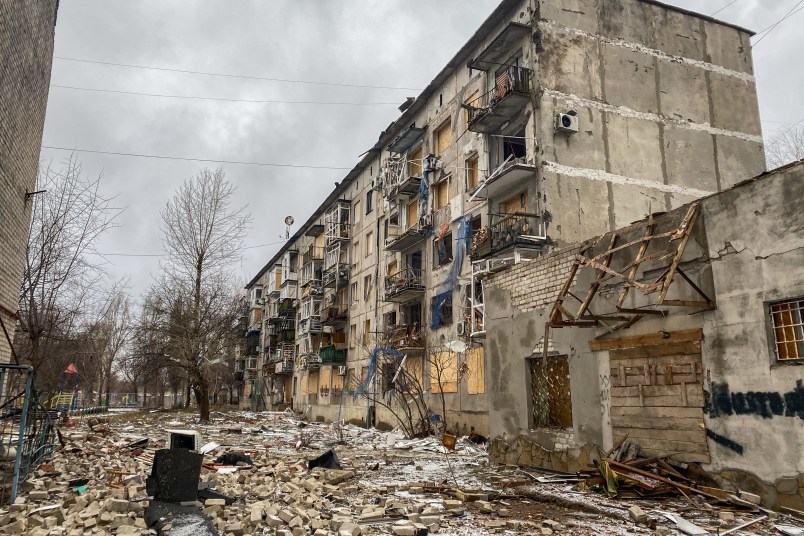
December 16, 2024: After more than 1,000 days of war in Ukraine, Russia ramps up renewed bombing effort
December 19, 2024: Luigi Mangione, suspect in the killing of UnitedHealthcare CEO, arrives in NYC
