


One thing to consider when thinking about risk and infectious disease is the difference between individual and societal risk. Certain activities may have a very low level of risk across society. But are they possible sources of infection? Yes. Could they happen to you? Yes. Unlikely. But yes.
One thing that has been clear for a few weeks is that many of the big outbreaks outside of major cities have been in meat packing plants. That is probably in part because meat packing plants are some of the relatively few kinds of factories or workplaces that have remained open at full capacity. But it’s also in the nature of the plants themselves. (That’s likely why Amazon warehouses, which have been hit as well, haven’t been hit as badly as the meat packing plants.) People are bunched up together. There’s little regard for worker safety and quality of life. They’re natural places for spread.
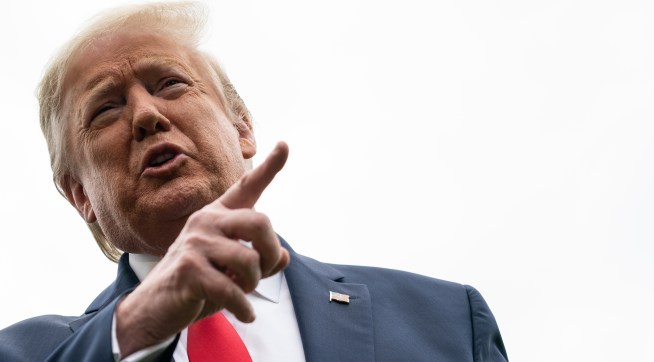
Just a reminder: President Trump is still profiting off the presidency.
A TPM member checks in from the retail sector. It’s tough out there. We all know that. But this story (name withheld because of the details about the member’s workplace) offers a measured snapshot of the difficult choices employees and managers in essential businesses have been facing for weeks. The member’s evenness, lack of anger or rancor, and perseverance in the face of the daily challenges the pandemic presents are admirable.
Hi you guys, I am a member and wanted to offer, if no one else has, some insight on what it is like working in a grocery store right now.
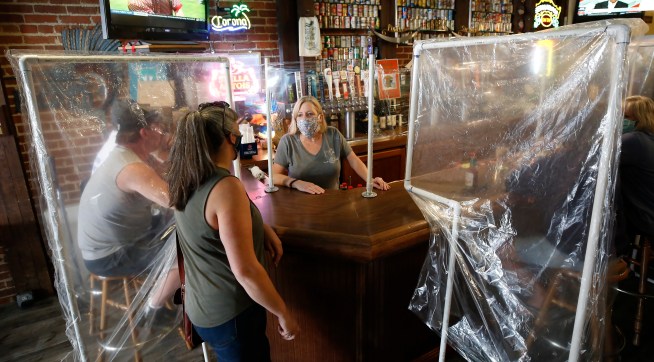
Slovenia is the first country in Europe to declare an end to its COVID epidemic. It’s not entirely clear what this means or rather how close the country will go to returning to ‘normal’. But schools are reopening and restaurants, bars and small hotels will be able to open next week.
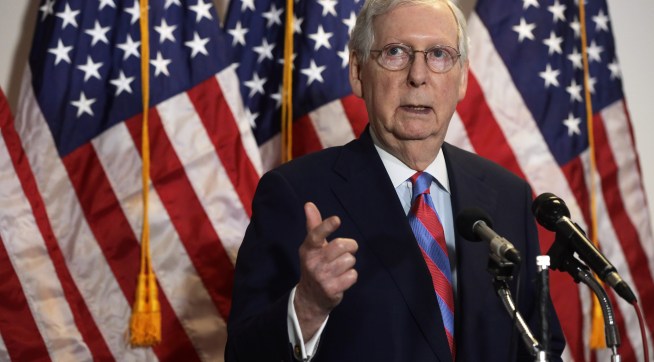
It’s not the most important news of the day, but I am endlessly fascinated by Senate Majority Leader Mitch McConnell’s (R-KY) seemingly endless campaign to prod the secretary of state into running for an open senate seat in Kansas.

The retired judge appointed to be friend of the court in the Mike Flynn case has already been on the record publicly expressing concern about the circumstances of the Justice Department’s unprecedented reversal.
JoinYou’ve really got to see what’s been going on at The Federalist during the pandemic. It’s the leading progenitor of the “there are things worse than death” approach to defending Trump’s COVID-19 debacle. Matt Shuham did the heavy lifting of sifting through its coverage so you don’t have to. Must read.
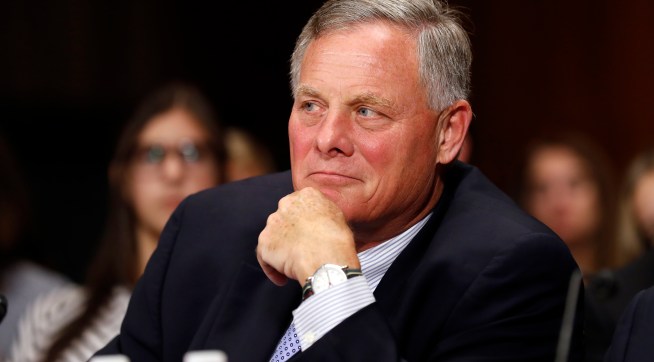
FBI agents executed a search warrant Wednesday night at the Washington, DC-area home of Sen. Richard Burr (R-NC), the LA Times reports. They reportedly seized Burr’s cell phone as part of their investigation of stock trades he made while getting COVID-19 briefings as chairman of the Senate intel committee. The stock trades occurred before the full scope of the pandemic threat was publicly known in the United States.
Federal judge in Mike Flynn case appoints retired judge to brief him on whether Flynn should be held in criminal contempt for perjury.
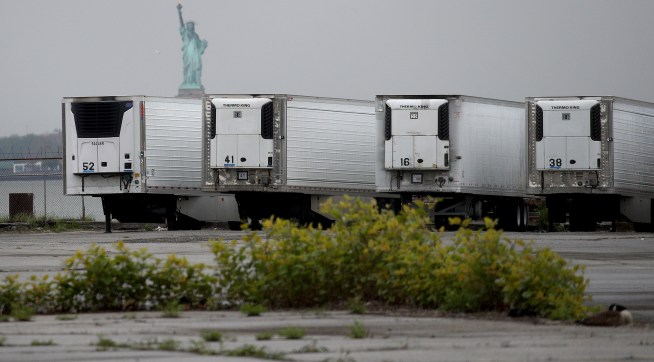
As I noted below, we are now getting sufficiently dense data on the genetic lineages of COVID19 to map its introduction and spread within the United States – both in time and geography. The preliminary evidence suggests the epidemic in New York City began after COVID was introduced from Europe in mid-February. Perhaps there were isolated introductions earlier. Given the scale of international travel in and out of the city it seems hard to imagine there wasn’t. But it was this mid-February introduction that took root and exploded, ultimately infecting more than 1.5 million city residents and killing at least 20,000 people. Now that this virological, genomic history is coming into clearer view it is time to consider an alternative history of the epidemic, one in which the US fielded tests two or three weeks before the point of introduction to what would become the epicenter of the US epidemic.