



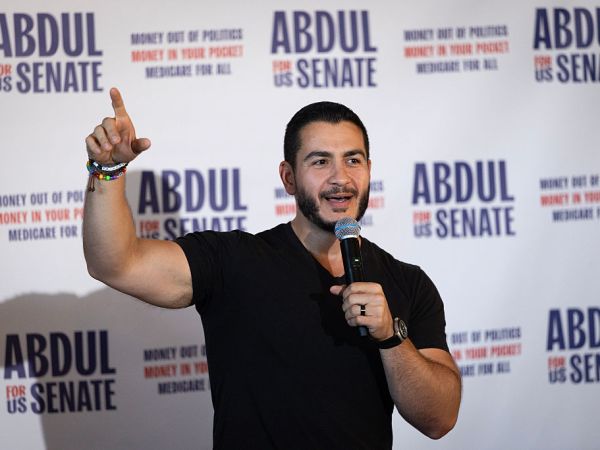


Though the AP called Abdul El-Sayed the winner of the Democratic nomination for Senate in Michigan as I went to publish this post, this race turned out to be much, much closer than people expected or what polls predicted. The margin ended up being just under 1% or about 15,000 votes. We become so entranced by polls that we often fall into thinking that a candidate like El-Sayed bobbled the race at the end or Stevens mounted a comeback. There may have been some late movement. But it’s important to remember that our narrative of the race was built around polls that were simply wrong. Very wrong. It was probably always much closer than people realized. Indeed, the margin is close enough that those polls might actually have shifted the outcome of the race by depressing Stevens’ turnout or juicing El-Sayed’s. It’s a good reminder that whether you’re a volunteer, a voter, an activist, or a campaign worker you play these things out till the very end. Polls are usually right. And they’re a good guide. Except when they’re not. And this was a big “except.”
Tighter than we expected based on the polls, at least!
NBC has called the Democratic Senate primary for Abdul El-Sayed. TPM tends to go with the AP for calls, or wait for multiple networks to call it.
Seemingly based on the NBC call, Mallory McMorrow, a third Democratic primary candidate who sought to occupy the middle ground between El-Sayed and Haley Stevens before dropping out, congratulated and endorsed El-Sayed early this morning.
Update, 6:41 a.m.: With the vast majority of the votes now in, El-Sayed and Stevens are separated by less than 20,000. El-Sayed still leads by roughly a percentage point.


I break down some of the details in tonight’s edition of Where Things Stand here. It’s the third item in tonight’s newsletter, so just wanted to flag it. It was strange.


The 2006 midterm is often viewed today as the ur-wave election. Indeed, it’s part of the only example in recent decades of two successive wave elections, something that just 20 years later seems almost inconceivable. What’s less remembered is that almost to the very end of the cycle it was considered a very uncertain thing whether Democrats would be able to retake control of the House of Representatives, which they hadn’t controlled since the 1994 blowout. In fact, if you looked at the numbers — polls, special elections, etc. — it had been pretty clear what was coming for months. To explain this discrepancy — how official D.C. had missed what was coming — many focused on the Foley Scandal which broke in September 2006. (Mark Foley, a lightly closeted House Republican got in trouble for what we’d now call sexting with underage male pages in the House page program and was forced to resign.)