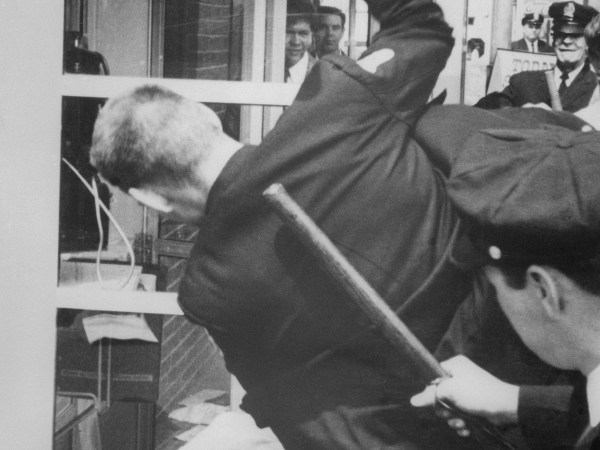
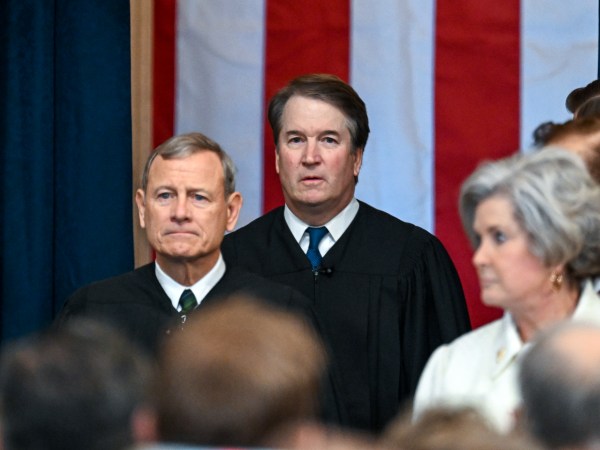
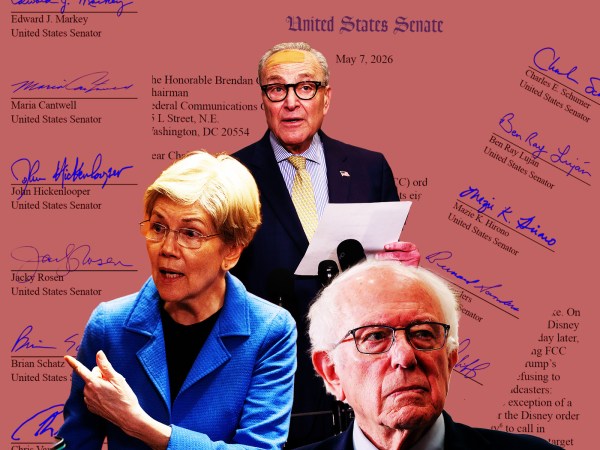
The Supreme Court’s decision in Louisiana v. Callais probably closes the book on the use of the Voting Rights Act to ensure Black voting rights in the South. The decision is being taken as a blow to Black voting rights — and even as indicative of the court’s racist leanings — but I wouldn’t jump to those conclusions. The redistricting effort that Callais ends may not have been of unequivocal benefit to the Southern Blacks it was designed to aid. And while it could damage Democratic prospects in 2026, it might help them in the longer run.
Read More

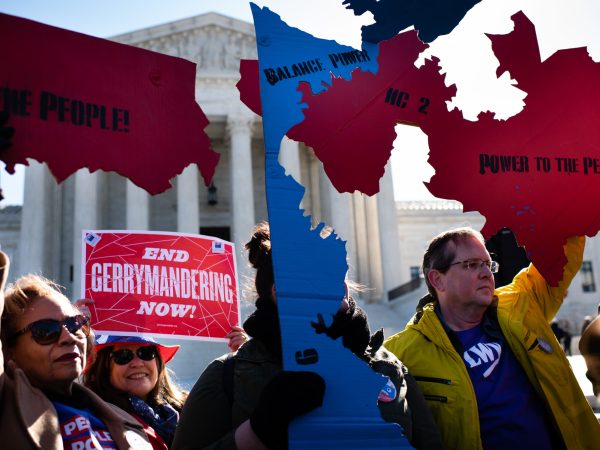


Callais, combined with today’s court ruling in Virginia, has jolted Democrats and sent commentators into bemoaning an accelerating “race to the bottom” and, to paraphrase Jeff Zeleny on CNN this afternoon, the end to norms that have organized American politics and redistricting for generations.
I’d like to offer a significantly different view of the situation. What we have seen over recent months is that Democrats have largely abandoned the mode of the last decade plus in which with one hand they fought the partisan battles of the day and with the other assume the mantle of defending the political norms Republicans have already destroyed. In other words, it was the responsibility of Democrats both to be contestants and referees. Republicans violated norms; Democrats tried to uphold them. That of course meant no partisan battle was ever on equal terms and Republicans almost always won them.
Read MoreWith the big news out of Virginia this morning, in addition to the fallout from the Callais decision, we decided that an insta-pod edition of the podcast was important to bring you up to date with what all this means. Kate and I recorded one about an hour ago and it should be in your podcast feeds this afternoon. So if you’re eager to unpack this barrage of news, Kate and I will be answering those questions in this emergency edition of the podcast.