













I’ve had questions from a number of you about why there’s been so little mainstream media pick up of Seymour Hersh’s claim that the U.S. destroyed the Nord Stream pipeline last year. As a factual matter, I think it’s highly unlikely that this is true. But my point here isn’t to dispute the report. People know that Hersh is one of the most high profile and celebrated investigative reporters of the last half century. So how is it he’s suddenly seen as an unreliable source of information?
On this point I think I can shed some light.
Read More



The White House has congratulated Rick Scott for confessing his desire to destroy Social Security and seeking forgiveness.
Read More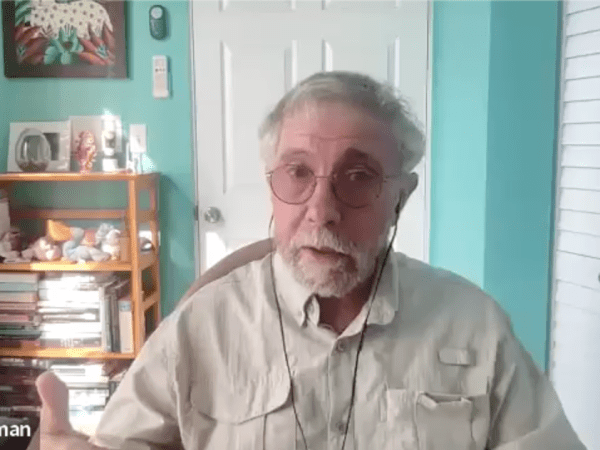


On Wednesday we did a TPM Inside Briefing with economist and Times columnist Paul Krugman. I already shared with you the portion of the discussion in which we talked about Democrats’ options for extraordinary/heroic measures to avert a U.S. credit default if House Republicans force the issue. But we covered a lot of other important ground directly relevant to the biggest news stories of the day — the financial viability of Social Security (and Medicare) and the sustainability of the aggregate federal debt in particular.
A substantial percentage of the U.S. federal debt (about a quarter of it) has been run up in just the last three years — largely in response to the COVID pandemic crisis. Is the scale of the federal debt sustainable? Does it require drastic action? Krugman’s answer was basically, no. There’s no crisis. Despite what you hear, it’s not unsustainable at all.
On Social Security, same thing. At some point in the future — probably about a dozen years from now — Social Security will need more revenue to cover all the benefits of the people currently in retirement under Social Security. At that point, we’ll have a simple decision on whether to raise taxes to cover those benefits or cut the benefits. It’s not really an economics decision. Both are totally doable in macro-economic terms. It’s really a values and politics question. Which is more important? Preserving the benefits of retirement beneficiaries (and others covered by Social Security) or preventing higher taxes on upper-income earners? You don’t need to be a PhD economist to decide this question.
Critically, does the problem get worse the longer we put off these decisions? Again, no. All the claims to the contrary are a kind of bums’ rush to force one of the answers over the other — cuts as opposed to taxes.
All these questions and answers about debt, Social Security, Medicare, and the debt ceiling were highly clarifying for me. And I suspect they will be for you as well. If you’re a member, join me after the jump for the full TPM Inside Briefing with Paul Krugman.