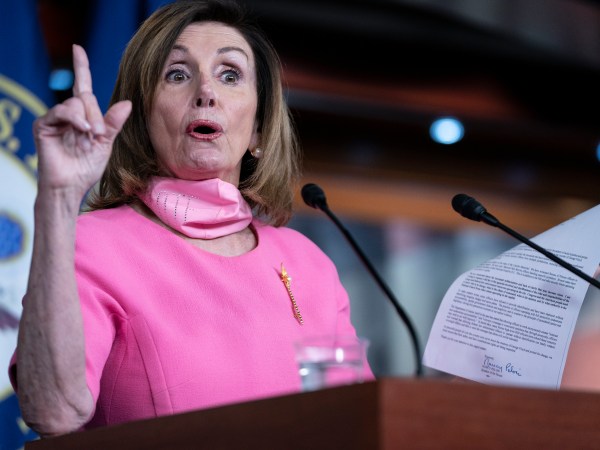
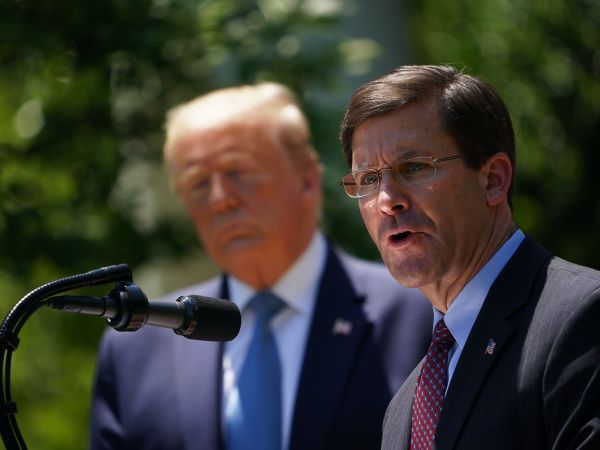


There’s a lot of troubling but clarifying information coming out tonight about the military deployments in Washington, DC. Reporting from the Times suggests what has seemed apparent by inference, which is that the White House and the Pentagon have spent recent days in a tug of war over the deployment of regular Army combat forces into DC. The Pentagon has resisted but President Trump has insisted, apparently wanting to keep them at least just outside the city as an ongoing sign of strength. This afternoon he appeared to finally relent and agree to allow them to return to their home bases.
There’s another dynamic I’ve noticed that has gotten little explicit attention.


TPM Reader TC chimes in from the world of medical research …
I’m a health researcher and deeply involved in similar work- aggregating data from large electronic health record databases. Many large medical centers care for ~1M patients per year, but even with all the COVID cases, one needs to aggregate ‘like with like’ data across multiple databases. There are standard informatics and statistical reasons to do this. So the overall methods are actually similar to several large national projects currently being stood up by NIH, CDC and PCORI, among others.
A few days ago I flagged that that big hydroxychloroquine study published in The Lancet was becoming a major and substantive controversy. The questions raised about it went well beyond critical questions of interpretation or how one structures a proper study or review to questions verging on accusations of fraud.
Today The Lancet officially retracted the study. This was followed a short time later by The New England Journal of Medicine retracting a separate study that was not about hydroxychloroquine but relied on data from the same company, Surgisphere.