

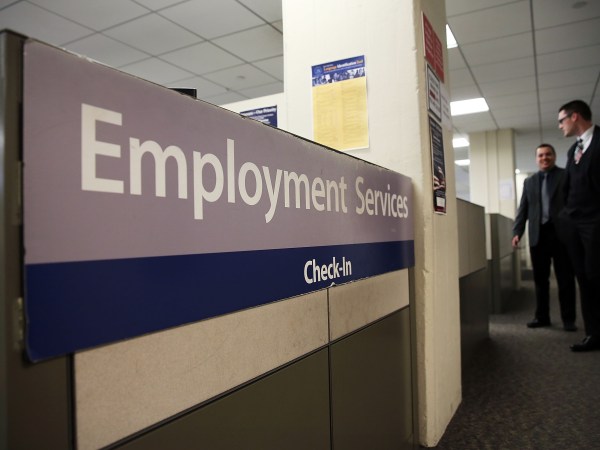

In times of crisis, the kind of economic data that is ordinarily only of interest to economists and finance pros draws more attention from the rest of us as we look for signs of what is going on, and what is to come. Last week’s jobless claims number, the highest in United States history, was a sobering look at what is in store economically.
This week we’ll get another round of jobless claims numbers, along with looks at manufacturing and service jobs that will help us understand the velocity and depth of the economic crisis we are facing.

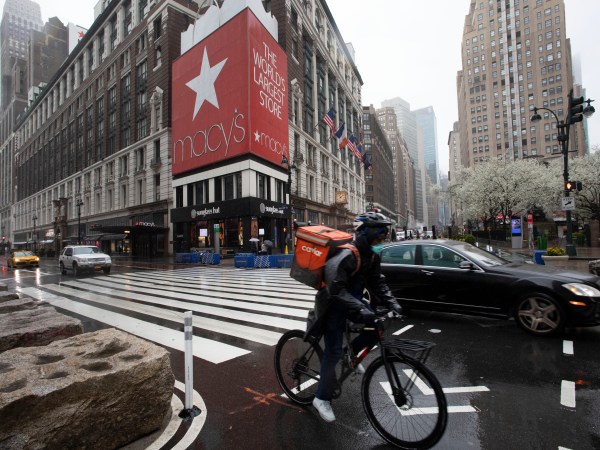

Let me note one of the known unknowns we should be thinking about as we roll into the coming brutal weeks. We are looking at national statistics – infections, tests, fatalities, hospitalizations. But these are likely illusory. There really is no national outbreak. There’s a big New York outbreak which still dominates the national statistics and will have its own discrete dynamics. It seems very likely you will have a series of other regional and metropolitan area outbreaks unfolding across the country in the coming weeks. So the national numbers will be misleading. In epidemiological terms the US is more like Europe as a whole, rather than any individual country, especially when states are playing such an outsized role combating the disease because of a significantly distracted federal response.
So where is this headed? What is the endgame?
Nobody is talking about it.


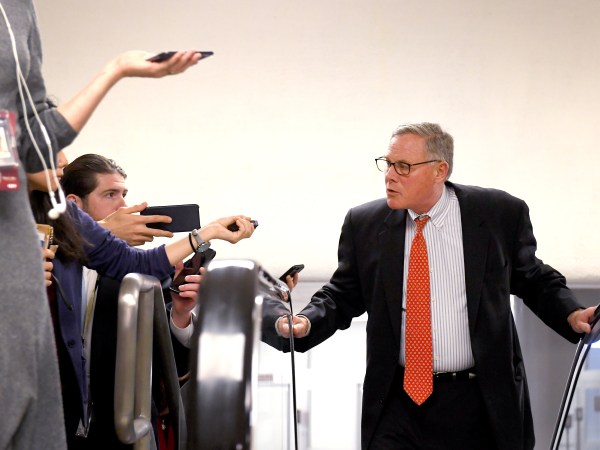
While it’s in the preliminary stages of it’s investigation, the Justice Department is now looking into sketchy stock market transactions that at least two lawmakers made after receiving private briefings on the COVID-19 outbreak.
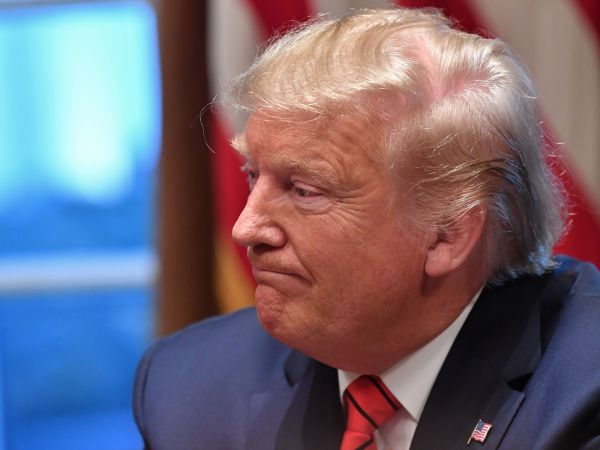



Like many of you I’ve struggled to make sense of the so many ways our world has changed, been upended over the last month. Beyond the personal, the emotional and the professional, a key question is how our society gets through the coming months. I don’t mainly mean the clinical or public health dimensions of the crisis. That’s largely the domain of science and public health. I mean the broader question of how our society maintains itself while we are grappling with that public health crisis.
American society has been addicted for decades to the metaphor of war to address various public problems – the war on crime, the war on drugs, the war on this or that disease. The metaphor has most often abetted all manner of bad policy and brutalizations of our society. But here I mean something more specific and I believe more grounded in concrete and important policy needs.