As we’ve moved into the shocking events of March one of my central experiences has been what I would call time dilation. My experience of the passage of time has changed radically. Some of this is the mundane fact that many of the markers of my daily life are falling away or shifting — getting the kids out the door in the morning, getting up and going to work, hitting the gym in the afternoon, various small trips around my neighborhood. Far more though it is what I suspect many of you have experienced: an escalating series of events none of us have any lived experience with and which most of us, I think, could scarcely imagine would ever happen. What’s unthinkable Thursday is quaint by Sunday. Such rapid shifts in our perceptions of the world and reality we’re living in are profoundly disorienting. I suspect more disorienting than many of us yet understand simply because there’s no respite from the rush of events.


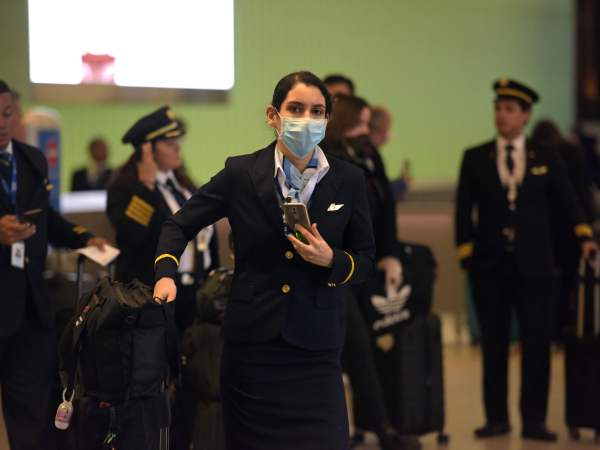

As folks struggle to get their heads around how long the fight to “flatten the curve” might have to last to be truly effective, Josh Kovensky has a new story out framing up how to think about an essential paradox of the fight against COVID-19.
All else being equal, a successful mitigation strategy will tend to require sustaining extreme measures for longer than if we simply endure a short, fast, and brutal blitz of cases that overwhelm the health care system. As Josh puts it, it’s the difference between a tsunami and an extended high tide. Understanding that dynamic helps to begin to come to grips with how long the current disruptions may have to last.
That said, some expert readers responded to the story noting some other advantages to slowing COVID-19 down. They make some good points.








This is a brief note about adding a new data source to the COVID-19 Crisis links you now find below every Editors’ Blog post. It’s more for the record and to refer back to. No big need to read unless you’re interested in evaluating data sources in general.