







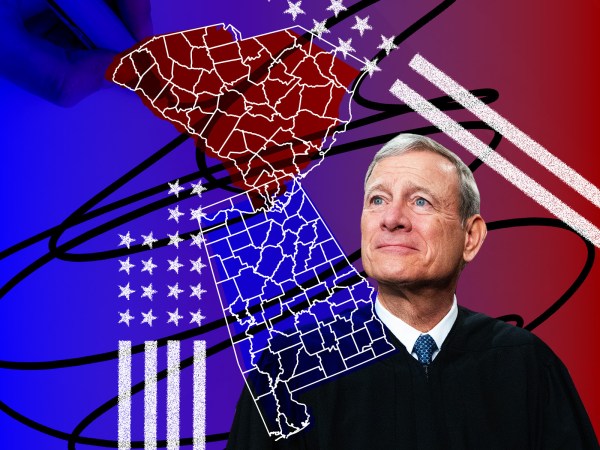

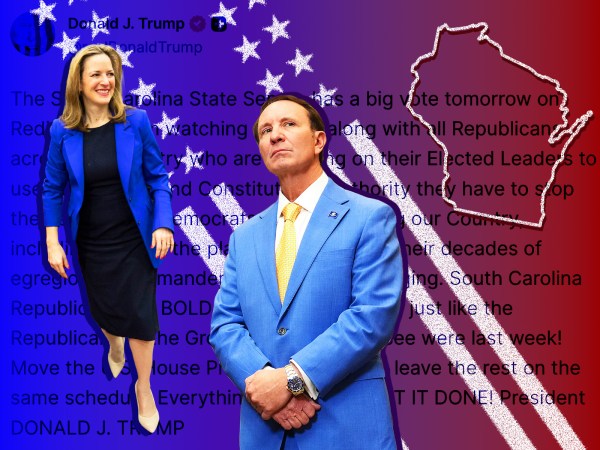



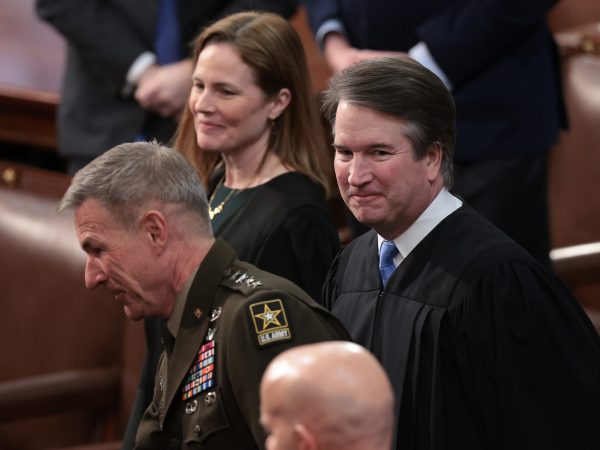
Some of the most consequential and trust-shattering Supreme Court decisions of late have been ones that could have been predicted decades ago. Certainly that’s the case with the Dobbs decision. Callais doesn’t have quite as long a history, in terms of attempts to overturn the precedent. But certainly it’s been in the cards for at least a decade. Still, it’s some of the smaller decisions that tell us just who and what this corrupt court is. Kate Riga notes one of them here: Conservatives on the Supreme Court have previously invoked the “Purcell principle” to rule that a change couldn’t be made to districts on the “eve” of an election. Now it’s fine to do so in states like Louisiana and Alabama where primary elections are actually already underway and tens of thousands of cast ballots must be invalidated.
The message is simple: there are no rules. Only power. It reminds me of my hand tool woodworking shop. There are a big selection of tools. And it’s just a matter of what helps the GOP and the Court in that particular moment. In a way it’s clarifying. Even helpful.