

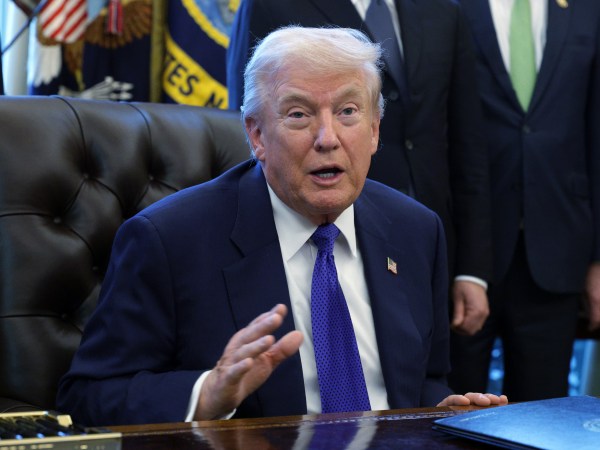

I had a moment of insight or perhaps revelation early in this war when the blockage of the Strait of Hormuz first became central in the news and President Trump was publicly debating whether he would use the U.S. Navy to escort ships through it. Would he, won’t he? Will it happen tomorrow? What will he decide. Then I was watching a YouTube show about maritime shipping. In passing the host, Sal Mercogliano, noted that, at that time at least, there weren’t any U.S. naval vessels in the Persian Gulf at all. And the kind of ships you need, in the numbers you’d need, were hundreds of even thousands of miles away. That made perfect sense since for the kind of war the U.S. is currently fighting we don’t need naval vessels anywhere near that close to the combat zone, and when they are that close they become much more vulnerable to attack. But the point is that the whole debate about whether Trump was about to do that any time in the near future was entirely contained within Trump’s Truth Social world. It wasn’t connected to any of the hard realities of whether any of that was even possible.
Read More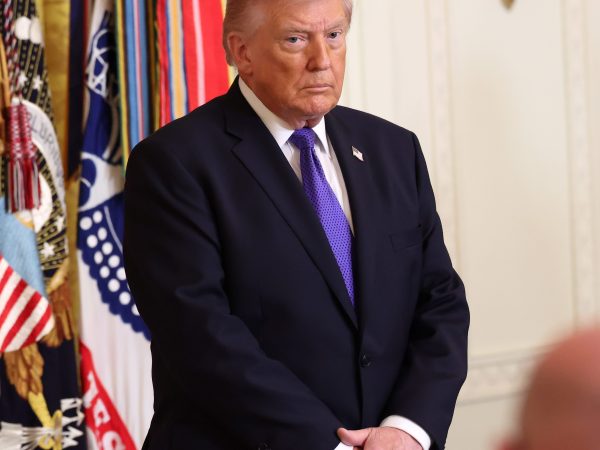
This post follows up on the previous two posts about President Trump’s weak hand in trying to end his Iran War with something short of a humiliating climb-down from his demands for “regime change” and “unconditional surrender.” Trump’s claim yesterday of “very, very strong talks” with Tehran turn out, predictably, to be third-party talks aimed at coaxing Tehran into talking at all. As Reuters reports in this new (paywalled) story, Iran is actually dramatically upping its demands since the start of the war. Those include guarantees of no future attacks, reparations for war damage and formal control of the Strait of Hormuz.
Read More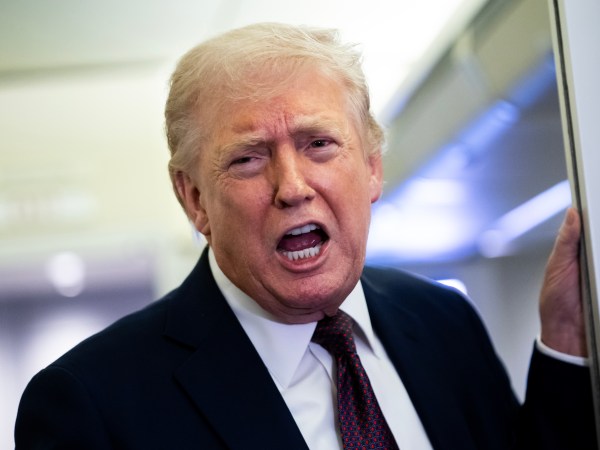

Beyond the bluster and carnage let’s look at the current situation in the war between the U.S. and Israel and Iran. I wrote most of this post before the overnight news that Trump is essentially suing for peace. But all of it still applies. And it comes down to one remarkable dynamic.
Despite the U.S. dominating the skies and almost every other combat domain, Iran has seized and holds the initiative in the war itself, forcing the U.S. to react to it and, in Trump’s hands, do so erratically and helplessly. Iran has the strategic initiative, despite constant and incredibly damaging attacks by the United States and Israel. Indeed, getting Iran to stop its primary retaliatory measure — throttling the Strait of Hormuz — now appears to be the main U.S. war aim. In other words, the main goal of the U.S. now is to get Iran to cease its retaliation for the U.S. starting the war in the first place.
The U.S. was already trying to get Iran to the bargaining table, according to this report last night from Axios. The fact that the U.S. is, reportedly, considering how to “package” cash payments to Iran (i.e. release frozen assets) is a testament to just how far we are from “unconditional surrender.” Meanwhile, this morning’s news confirms that the U.S. is getting talks started, or at least hoping to do so. Of course the simplest way to get Iran to release the strait is to stop the war. But the U.S. can’t do that, at least not openly, since that would amount to a massive and humiliating defeat.
Read More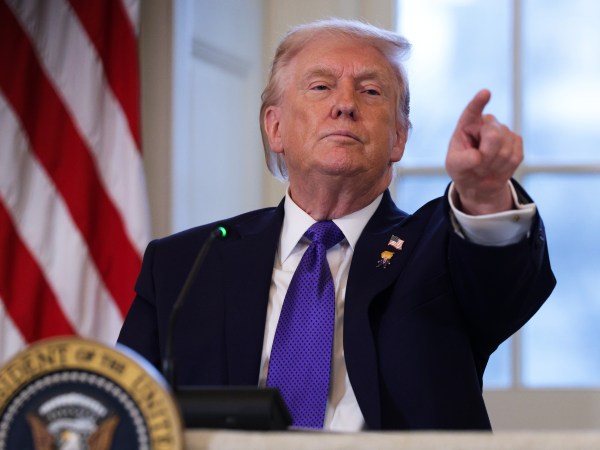
A week ago I asked whether global energy markets have “Trump Derangement Syndrome.” I was being a bit arch because I didn’t mean in the sense that MAGA world means, which is being somehow obsessively, compulsively anti-Trump. I meant the opposite. Are the markets wedded to a kind of Trump magical thinking? That somehow he’ll always find a way to thread the needle or slip out of his self-made crises? I’ve tried to be very aware of the fact that I’m totally green on the question of global energy markets. And since oil futures are at least flirting with twice the price that they were at when this war started, it’s hardly like markets aren’t reacting to it. A friend who follows energy markets very closely walked me through some of the reasons why the markets response has been more tempered than one might expect: existing slack in the oil markets on the eve of the war, continued impact of the recent release of 400 million barrels of oil, and uncertainty about whether the U.S. can or will reopen the Strait of Hormuz. But I get more and more indications, some in just reading the news closely, some in small bits of information I pick up from sources, that there really is something going on here.
Read MoreKate and Josh discuss the DHS secretary confirmation hearings, a big defection on Iran and the Illinois primaries.
Read More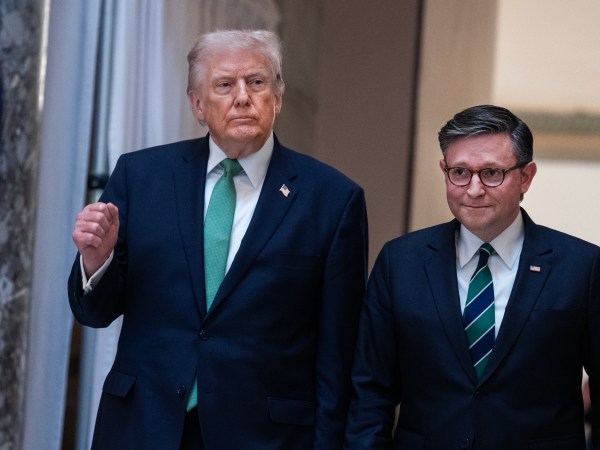





Donald Trump’s Iran war is playing out like a Defense Department war game in which a neophyte is schooled in the stodgy and risk-averse reasons why a couple of generations of presidents and joint chiefs of staff have resisted demands to overthrow Iran’s clerical regime by force. Well, yes, we do have a super, super powerful military, the schoolers might say, and Iran is still using rusted-out jets we sold the Shah half a century ago, but here’s the thing …. and you go from there.
Read More