


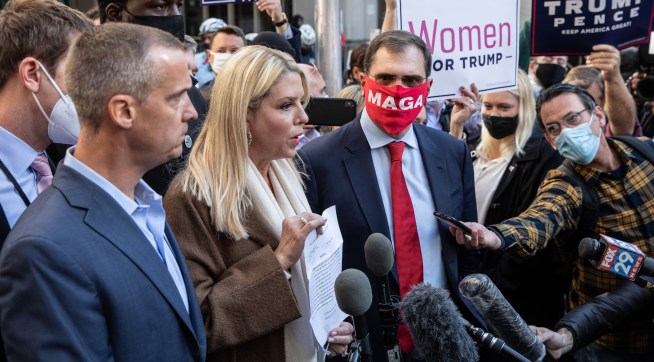
President Trump warned us before the election that, as early and mail-in ballots were tabulated and key states shifted blue, he was going to falsely claim that his victory was being stolen. And he warned us he would send his lawyers in to prevent that supposed theft.
But we didn’t know it was going to look like this.
Join
The roiling post-Tuesday debate about polling and polling errors is almost all heat and no light. It’s mostly emotionalism from people who are mad that the result wasn’t precisely as they’d seen predicted or been told or believed — conflating that with their unhappiness about the result itself. It’s also furious efforts to insist that polls being off confirmed their preexisting critiques of Biden or BLM or the left or the establishment or whatever. But there’s one thing I’ve heard over the last 72 hours that strikes me as real and meaningful and connects the largely meaningless debate about polling accuracy with quite critical questions about what is animating politics itself. And that is trust.
Join
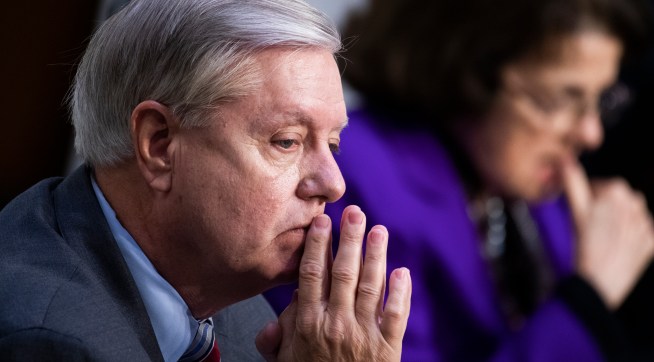
Some of them put out statements that alluded, vaguely, to some adherence to precedent in allowing votes to be counted. Some remained silent.
Join
Trump supporters in eastern Pennsylvania have been receiving what amount to anonymous incitement messages via text telling them the race is being stolen from President Trump and urging them to converge on the Philadelphia Convention Center where votes are being counted in Philadelphia. “ALERT: Radical Liberals & Dems are trying to steal this election from Trump! We need YOU!”
This is the same location where local authorities appear to have thwarted a planned terror attack on election workers two nights ago.
Join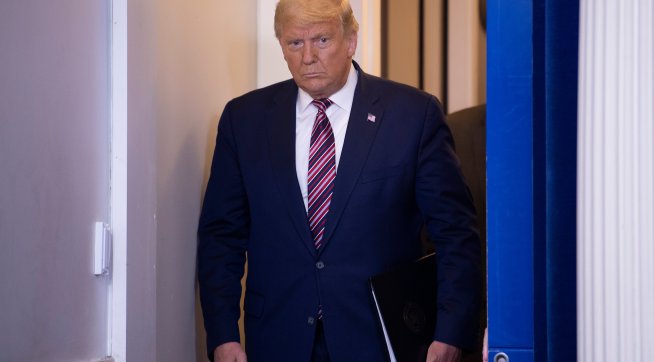
As I’ve said many times, the President doesn’t need to concede. He has a warrant to exercise the executive powers of the United States until noon on January 20th when that warrant expires. He can board himself up in the White House and refuse to come out. But it doesn’t matter. That’s it. But that’s January 20th, more than two months from now. The modern presidency has a formal process called the transition, which goes back to 1963. That’s a matter of statutes and there a defeated incumbent President has some room to play games. Trump is already doing that.


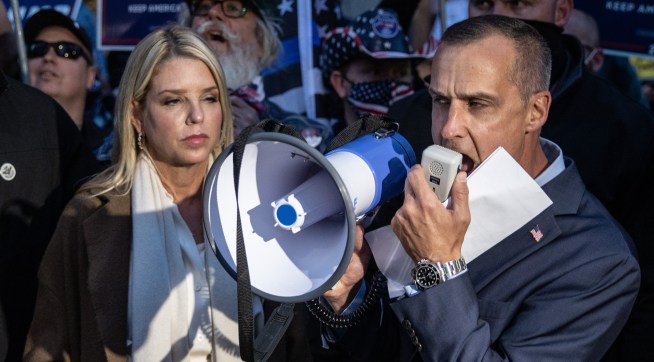
Those closest to President Trump know he’s a powerful man, with a powerful, but brittle, ego.
And they knew if he lost the election, he would need something to cling to in order to maintain some cushioning for his inevitable belief that he didn’t actually lose.
Join
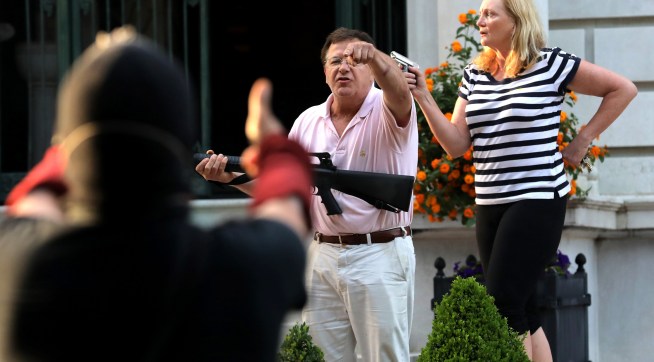
As this election blurred forward I was taking notes for more editions of our “Brittle Grip” Series, the phenomenon of the super powerful and super rich feeling increasingly insecure in their power and wealth even as both wax. One of the key features of this new Gilded Age is the ultra-wealthy and ultra-powerful arguing that their ultra-wealth and ultra-power opens them up to criticism and animosity which entitles them to unique and greater rights and powers to protect themselves. I was forced ahead of schedule this morning by news out of St. Louis from the McCloskeys, the husband and wife sixty-something lawyers who entered the campaign drama when they came out of their house brandishing firearms and threatening to murder protestors who happened to be walking by their house. The couple has filed a lawsuit in federal court against the photographer who took those iconic pictures of them with their guns.
Join
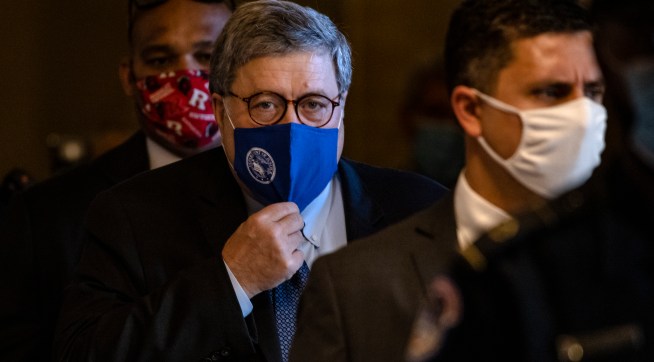
And that, apparently, includes employees of the law firms representing the Trump campaign.
Around the same time that news broke that a Justice Department official — who oversaw the DOJ’s election crimes unit — resigned on Monday evening, the New York Times published a story detailing the angst within the law firms the Trump campaign has tapped to handle its various legal challenges to the election.
Join