


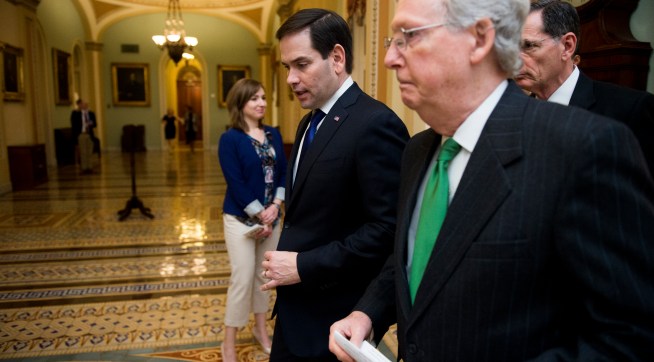
At this point, multiple Republicans and Trump allies have done their damnedest to quietly nudge President Trump on masks — all without actually calling him out for it.
Join
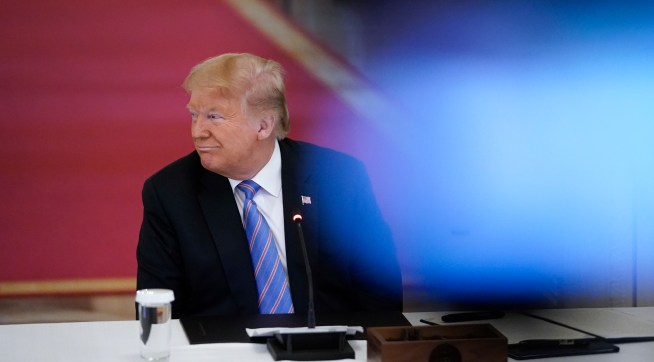
White House chief of staff Mark Meadows, senior adviser Jared Kushner, White House press secretary Kayleigh McEnany and counselor to the president Hope Hicks, for starters.
Join

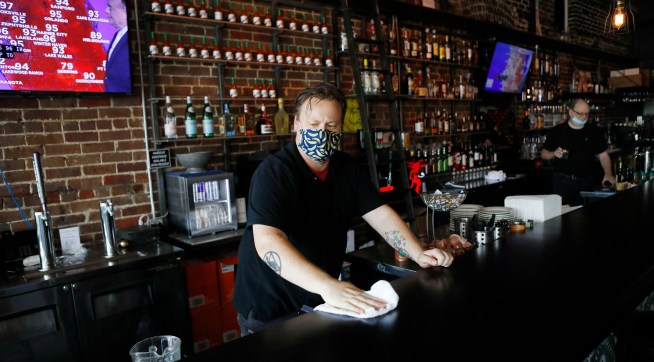
From the start of the COVID epidemic we’ve been talking about “reopening”, when it would happen, whether it is safe. The President started demanding it about two weeks into the crisis – the churches needed to be full on Easter, the 12th of April. Now we talk about which states have reopened and which haven’t. It’a all wrong. From the start this metaphor has saddled us with distorting language and a distorted concept which has enabled and driven bad policy. It suggests a binary choice when one doesn’t exist. The impact goes beyond semantics.
There is no opening or closing and there won’t be until we have a vaccine or a very effective cure for COVID. There are various mitigation strategies. Does the state push or mandate widespread masking? Does it permit indoor dining? Are bars open? Has it scaled sufficient testing capacity and a robust contact tracing program? The devil and the death toll are all in this particulars. The ‘reopening’ metaphor obscures all of this.
Join
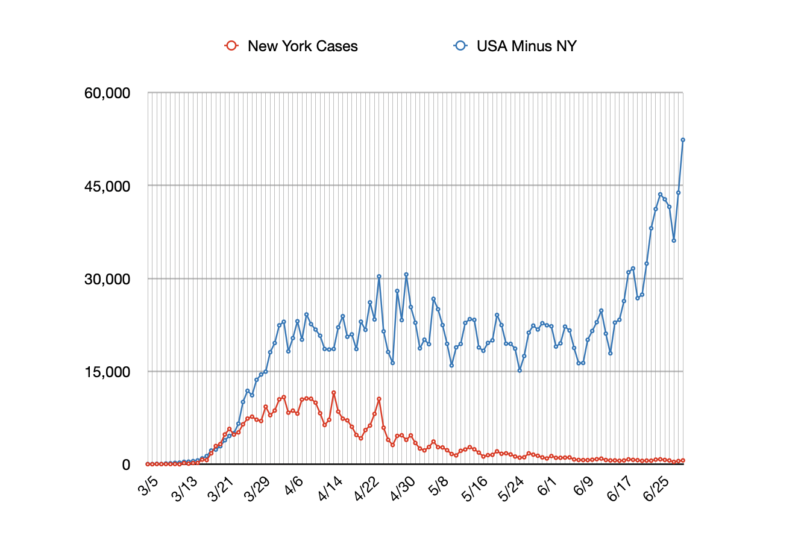
The COVID infection numbers from yesterday and indeed since early June are ominous and harrowing. As we note here yesterday was another big record. They are best absorbed visually. Here are the case counts from early March with the original epicenter of New York separated out from the rest of the country.
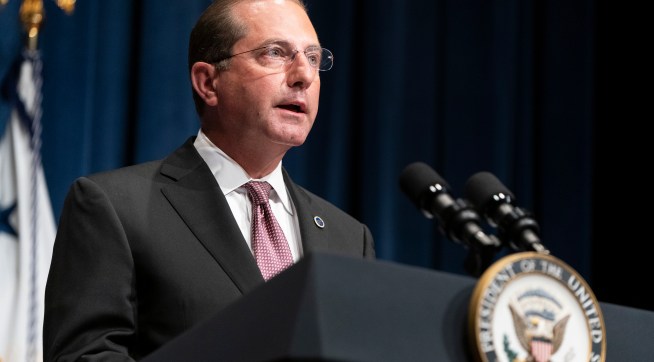
Even though the White House has cut off its coronavirus task force briefings in order to pump up President Trump’s political aspirations, most Americans are acutely aware of which states are experiencing massive COVID-19 spikes.
Join




One of the many ancillary insights or interesting developments during the epidemic is the creative use of anonymized big data to learn to things about the outbreak. Mobility data tied to cell phone and mapping apps is one example. Not too long after the outbreak began they started surfacing some of their trove of mobility data for people and public officials making public health decisions. (If you haven’t seen it, check it out here.) Credit card use is another. JPMorgan Chase just released a report based on their own credit cards which suggests a strong correlation between “card present” restaurant purchases and new outbreaks.
Join