


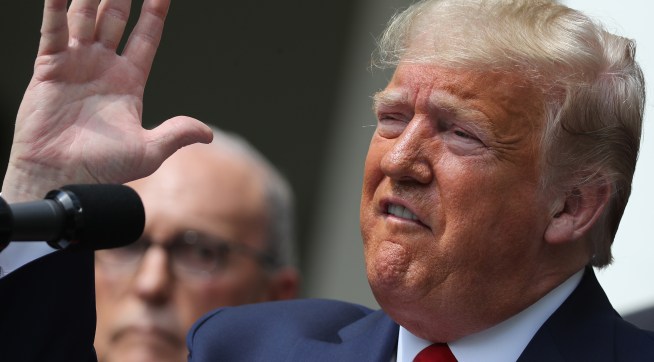
There is now if not a consensus at least an emerging question whether President Trump has reached a turning point in his Presidency from which he cannot recover. It is sobering to consider the unfolding gyre of crises. We are in the midst of an historic epidemic which has killed more than 100,000 Americans. We are in the midst of an historic economic crisis. We have witnessed two weeks of unprecedented demonstrations across the country. And if we think back to the calm old days before all this started less than four months ago, that was when the President was impeached after being exposed in an extortion plot aimed at gaming the November election.
Join
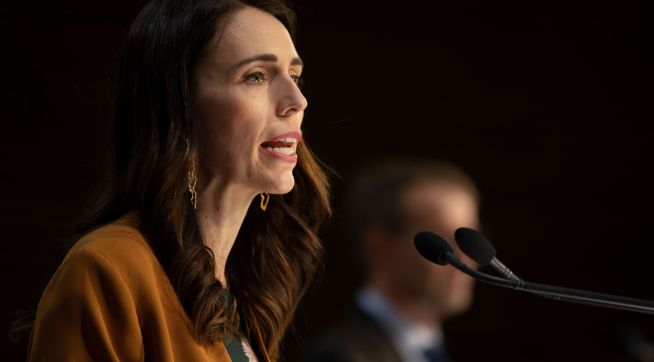
After imposing a strict lockdown across the country early-on in the coronavirus outbreak, New Zealand seems to be the first country around the globe to fully eradicate COVID-19.
JoinThe Washington Post has produced a new in-depth video analysis of the violent effort to clear the way for President Trump’s infamous photo op at St. John’s church one week ago this evening:
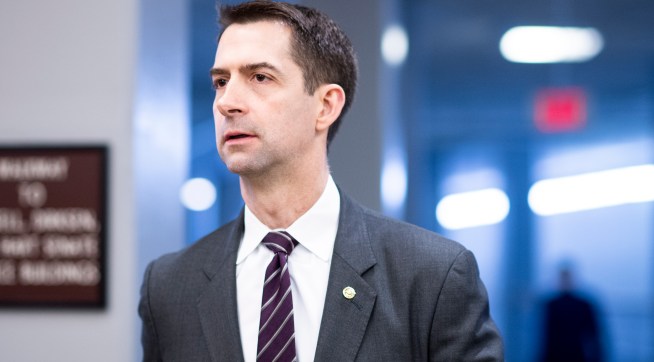
Regardless of who-pitched-who, Sen. Tom Cotton (R-AR) clearly knew what he was doing — and what he was getting away with — with his New York Times op-ed pushing the use of military force against protesters demonstrating against police brutality and the death of George Floyd.
Join
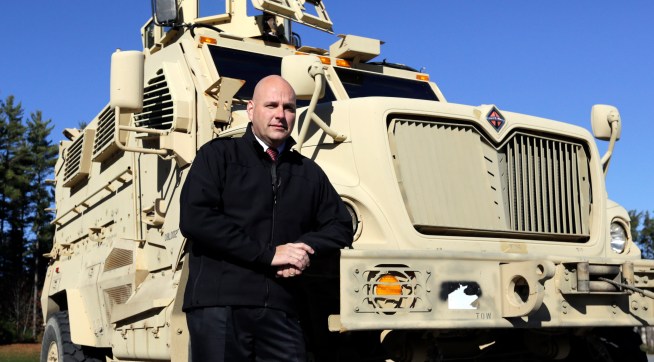
Police abuse of minority communities in the United States is a story stretching back decades and centuries. The militarization of American policing is a much more recent phenomenon though the two phenomena have overlapped and compounded each other. Much of this debate over militarization has focused on the Pentagon’s 1033 Program which charges the Secretary of Defense with donating surplus military hardware to the nation’s thousands of police departments. (The photo above is of an MRAP, a vehicle designed to withstand IEDs and guerrilla ambushes. Numerous US police departments have them.) But there is another dimension of the story that has only partly made its way into the national conversation about policing and violence. The United States has been in a constant state of war since the end of 2001 and in many ways since the Gulf Crisis of 1990. Through numerous channels this has led to a broad militarization of life in the United States. Policing and military hardware is only the most obvious manifestation.
JoinI’ve been talking about the question of the effectiveness of masking for many weeks now. So I wanted to share one very small data point that I found noteworthy. All the caveats: small sample size, not a controlled tests in any way. Still I found it notable.
A few weeks ago right after Missouri relaxed its COVID restrictions two hair stylists at a salon in Springfield, Missouri came down with COVID. Contact tracing revealed they had potentially exposed about 140 clients and six coworkers. The key data point is that all staff and customers at the salon were wearing masks during the period in question.
Read More
From TPM Reader SG …
It was the Lott/Thurmond brouhaha that caused me to discover TPM almost 20 years ago! And this Southern Partisan interview obviously predated that matter by almost 20 years. I hadn’t read it since you first linked to it. Very interesting to reread now, given the links to key elements of Trumpism. At least two dog-whistle references to Civil War as “unrest between the states” and “war of northern aggression.” Mocking Ferraro’s Catholic (“ethnic”?) name (which I guess Bannon wouldn’t do, but there you have it). Deep state-like references to State Department and Justice career officials. Pretty incredible.
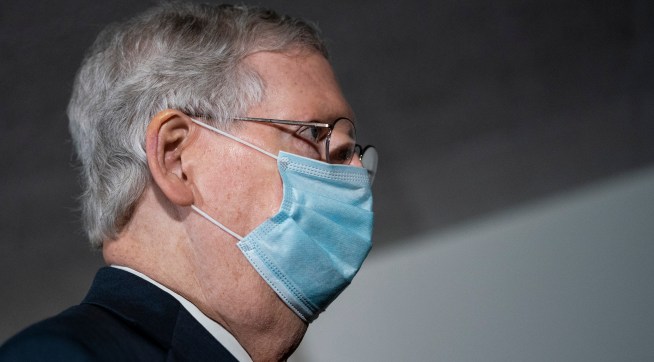
Senate Majority Leader Mitch McConnell stood on the Senate floor this morning, nobly calling out the “double standard” he thinks is being applied to protests amid COVID-19.
Join

Let me add a few more points on the masking question. This continues to be a highly contentious debate. For some background, here’s what I wrote about this on May 21st.
Back on the 21st, I shared an article by scientists at CIDRAP in Minnesota. It was dated April 1st, so very early in the epidemic. But it was very skeptical of any directives for the general public to wear masks. The Director of CIDRAP, Michael Osterholm, is a highly respected infectious disease expert and he remains highly skeptical of masking. A number of readers forwarded me a link to his latest podcast which he devotes entirely to this issue. If you’re interested in this topic, I recommend it. Because it’s the best statement of this view. You can read a transcript here.
Join
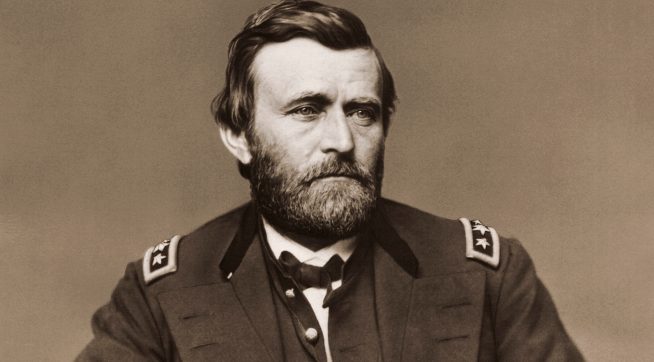
As Confederate monuments appear to be facing what may be a final reckoning, consider the other side of that coin. The United States has few if any monuments or statues dedicated to the horrors of slavery, to abolition or to the heroes of Reconstruction. Monuments mark a society’s civic values and embraced identity. By this measure, it is not simply the ubiquity of Confederate memorials but the non-existence of the others which speaks volumes.
In 2018 I wrote this post about Ulysses Grant and his Memoirs, which is one of the great works of American literature, likely the greatest written by any public figure. (It’s one of my favorites from the last few years.) Grant was a white General and President. He is no stand-in for the kind of largely non-existent monuments I describe above. But I note him here because Grant’s own historical reputation is part of the same story.
Join