


Where was gay marriage illegal before today’s Supreme Court ruling?
The Supreme Court’s decision on same-sex marriage will kick off a whole new wave of LGBT marriages, particularly in the 15 states where it was illegal before today. Even before today’s decision, advocates for marriage equality were girding for the next step in the legal battle, which includes forcing local officials to duly issue marriage licenses, fighting off last-ditch lawsuits, and otherwise clearing out all the underbrush that could block the path for LGBT couples exercising their hard-won constitutional right to marry.
We’re following that story closely. If you see open defiance of the Supreme Court’s decision — everything from county clerks refusing to issue licenses to attorneys general going back to the courts to candidates vowing to ignore the Supreme Court — send us an email. We’re tracking these developments across the country and want to see what you’re seeing.

Antonin Scalia’s rabid dissent on gay marriage is getting most of the attention, but John Roberts’ dissent is more thoughtful and at the same time more bleak and even foreboding. He claims LGBT couples have “lost forever” with the Supreme Court’s decision:
Full video of Obama’s remarks on the gay marriage decision. Watch.
Special bonus: CNN captures Obama talking by phone to the lead plaintiff, who was outside the Supreme Court shortly after the ruling.
President Obama is about to speak on the Supreme Court’s gay marriage ruling. Watch.
In a single week, the rebel flag is toast, Obamacare is vindicated, marriage equality becomes law. It’s a trifecta for Obama and he hasn’t even declared his Caliphate yet.
Mike Huckabee is already out with a defiant statement declaring that he will not “acquiesce to an imperial court.” Here’s our rundown of all the threats of civil disobedience and open defiance from conservatives over the anticipated gay marriage even before the Court’s ruling today.
In his dissent on the gay marriage ruling, Justice Scalia rips the majority for its pretension and egoism, but he also is dismissive of its East Coast, Ivy League, New York City composition, calling the court a “select, patrician, highly unrepresentative panel of nine”:
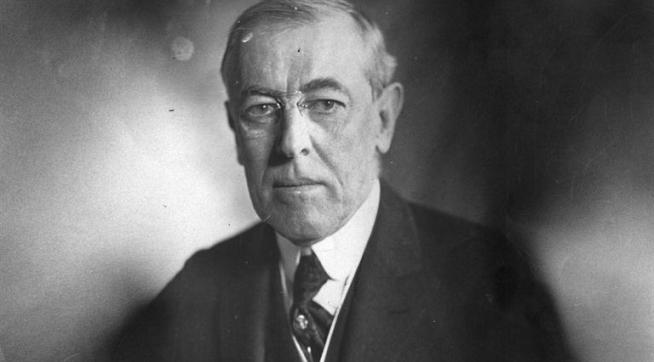
As we witness this unexpected and I think historic sea change at least in the symbolism of neo-Confederate nostalgia, it is worth remembering that the fight for equality and civil rights for African-Americans and against white supremacy in its various forms has never been a march in a single direction. If the arc of the moral universe bends toward justice, it’s very much been a zigzag arc.
Even after the federal government withdrew its final support from Reconstructed, biracial governments in the South in 1876, those governments and movements didn’t collapse overnight. Biracial politics and political movements continued on in diminished but persistent forms well until the 1890s, before being finally snuffed out in a wave of Supreme Court decisions, mass disenfranchisement and violence. As Gregory Downs noted in his article on the origins of Juneteenth, in the 1890s there were some 100,000 African-American voters in Texas. By 1906 that number had fallen to fewer than 5,000. The blanket of Jim Crow absolutism that had come to rest over the South by the first years of the 20th century may have looked like some time immemorial reality. But it was actually a very new creation, finally secured only in the 1890s through an interlocking chain of Supreme Court decisions, extra-judicial violence, new legislation and the collapse of interracial political coalitions.