




One of the key arguments for a great power — other than the great power itself wanting to be one — is that they act as a guarantor of stability and the status quo. That is far from the only public or global good. And a great power will ensure that status quo on its own terms and mostly to its own advantage. But if you have any acquaintance with history, you know you can do a lot worse than relative peace and the status quo. Trump’s Iran War has been a bracing illustration of all these realities. Once the great power starts letting things break, those breakages can start multiplying very fast. Eventually you’ll find a new equilibrium, of course. But eventually can take a long time. And again, even a passing acquaintance with history tells us that things can suck without end for extended periods of time.
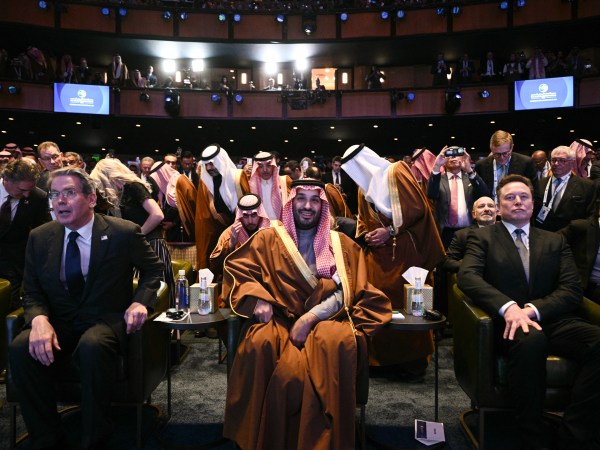
There’s an interesting New York Times piece from over the weekend that illustrates all these things. We know the outline. But it provides new details. As a knock-on effect of the U.S. war with Iran, the ongoing battle between Saudi Arabia and the Houthi rebel government in Yemen has again become hot. In recent weeks, the Houthis have partly cut off Saudi Arabia’s other path to the ocean. Put simply, the Saudis can export oil through the Strait of Hormuz or the Red Sea. The former has been mostly closed for months. Now the Houthis are in de facto or near control of the second. That’s a big crisis for the Saudis. This is part of the larger U.S.-Iran battle because the Houthis are clients of Iran. And Iran’s core strategy has been to create enough pain for the U.S.’s regional allies that they will force the U.S. to end the war. Remember, each time the U.S. attacks Iran, they respond by attacking the various Gulf emirates.
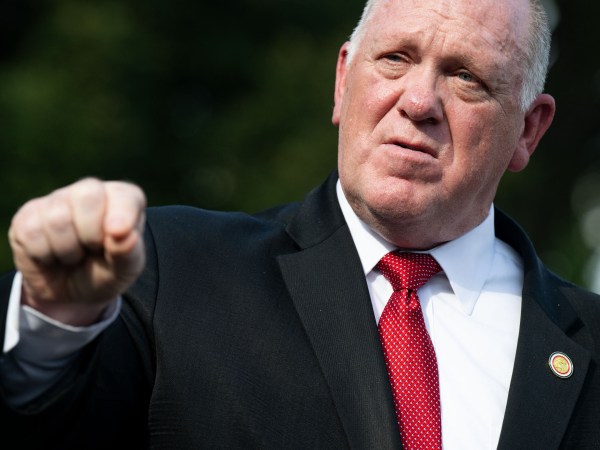


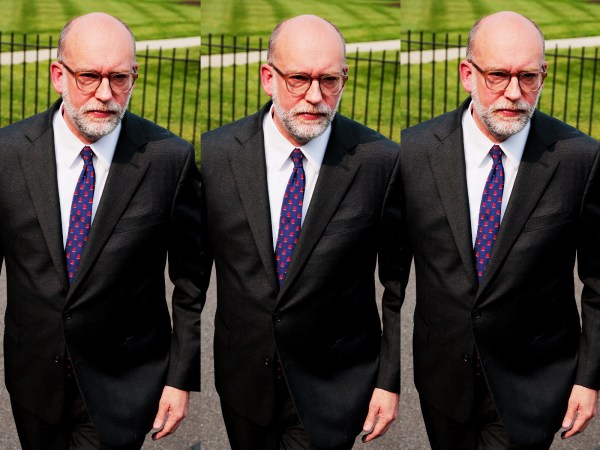



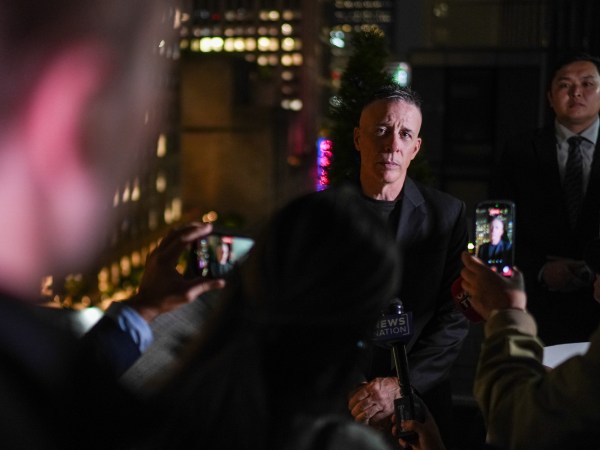

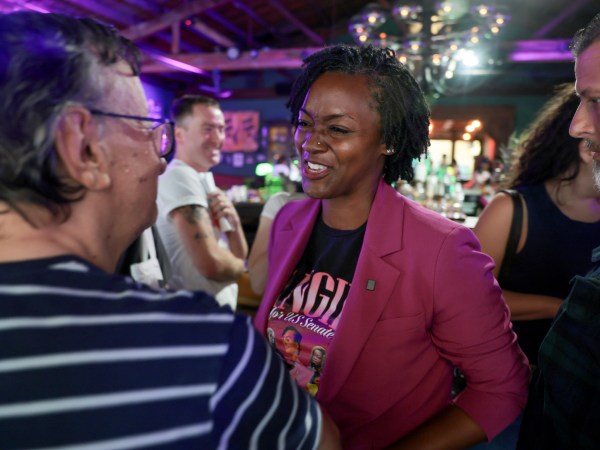

I want to flag this poll for you. It’s a poll of the Florida Senate race by St. Pete Polls, a mid-tier regional pollster. It shows appointed incumbent Senator Ashley Moody (R) and Democratic nominee Angie Nixon tied at roughly 45% of the vote. There’s not much polling of this race. There are two other recent polls, one by Change Research a respected but generally Democratic-aligned pollster, and another from Quantus Insights, a GOP-aligned pollster with an iffy reputation. Change Research had a tied race a week ago. Quantus had Moody up by eight points a bit less than a week ago.
I want to be clear that I am not predicting or expecting Nixon to win this race. What I do expect is that Republicans will likely need to fight to hold it. And that is significant in itself. There are other signs that Republicans are facing a rough political environment in Florida this year, at least one that looks very different from where Florida has been trending since 2018-20 when the state went from a GOP-tilting purple state to something approximating bright red. Yesterday, Nicole LaFond highlighted the video put out by South Florida Rep. María Elvira Salazar (R-FL) which basically had Salazar telling Donald Trump: We didn’t know you meant mass deportation when you promised us mass deportation.
We can joke about the the substance of Salazar’s video but it speaks for itself as a measure of the political climate in the state.
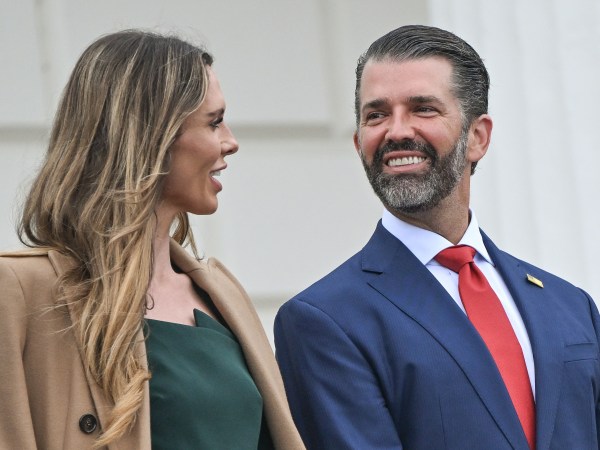

Another weird week in American politics is coming to a close, and TPM investigative reporter Hunter Walker joined publisher Joe Ragazzo to talk about it. Hunter and Joe got into Don Jr.’s lavish Bahamas wedding that was bankrolled by a Russian oligarch; the, uh, not-so-triumphant return of Sen. Mitch McConnell (R-KY) to Capitol Hill; what’s going on with Major League Baseball; and the forthcoming “To Catch a Predator” movie starring Robert Pattinson.
Check out their full conversation on YouTube Live below.