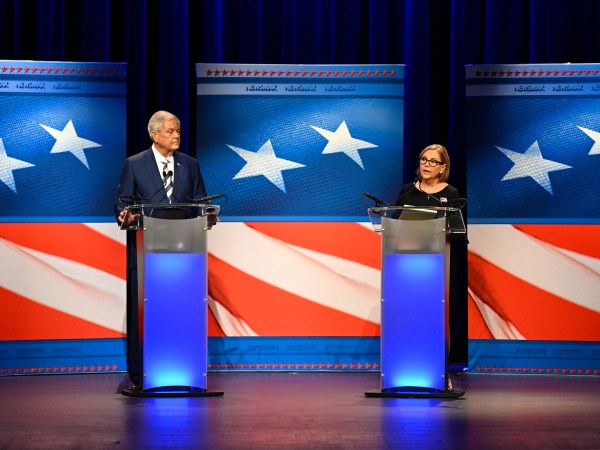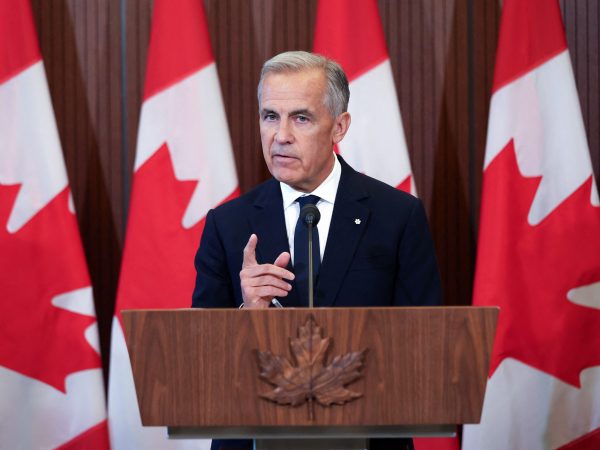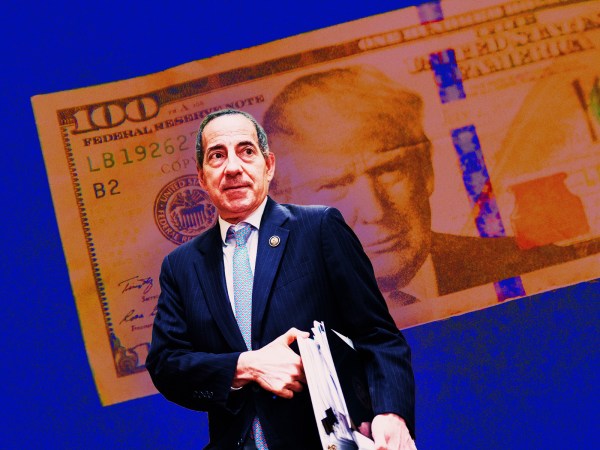
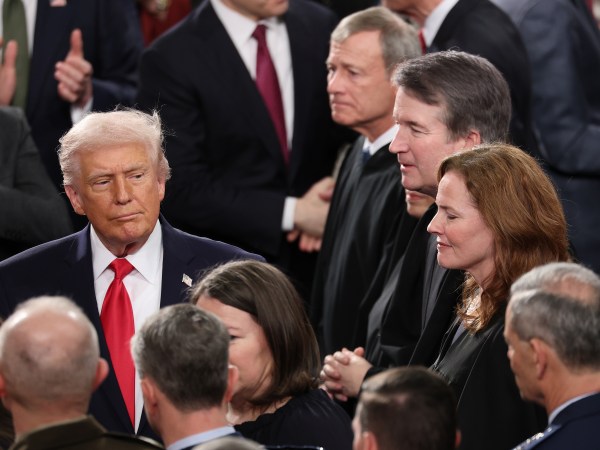

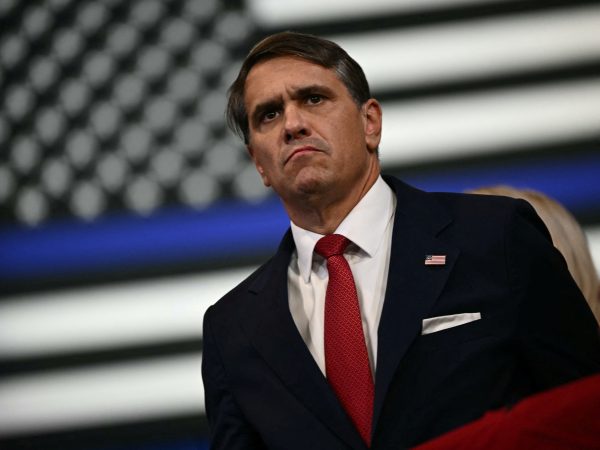

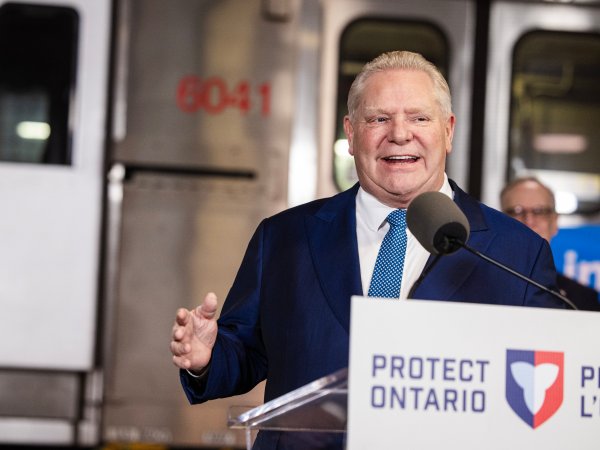
The U.S.-Canada trade situation is so bleak (as I’ve been discussing in these three posts: 1, 2 and 3) that I guess it could use a bit of comic relief-cum-TPM lore. The current Premier of Ontario (their analog to the governor of state) is Doug Ford. He’s the brother of the late Rob Ford, who you’ll remember was the rotund, buffoonish, crack-smoking mayor of Toronto from 2010 to 2014. In December 2013, Rob Ford won a Golden Duke award and we sent Hunter Walker, then in his first stint at TPM, to personally bestow the Golden Duke statuette to Mayor Ford. Hunter and then-TPM intern Yumi Araki hunted around Toronto to find Ford but finally had to settle on giving it to Ford’s brother Doug. (We’ll come back to their quest in a moment. You can read Nicole LaFond’s recollection of the story for our 20th Anniversary celebration here.)
Read More

Jewish Insider, the source of this passage, often has what I’d consider tendentious coverage of this issue. But these words from Hasan Piker really speak for themselves …
Read MoreIn his commentary, Piker added that Jews who tie their “entire identity” to Israel, which he referred to as “Jewish ISIS,” are “making antisemitism worse.”
“People don’t f*** with Israel any longer,” Piker said two hours into his nearly seven-hour stream on Thursday. “If Jews in America keep putting this idea out there that they are singularly invested in Israel, eventually someone’s going to come around and take action, not against the State of Israel, mind you, but against American Jews.”


There’s been a blizzard of commentary about the breakdown of U.S.-Canadian trade talks. Friend of TPM Paul Krugman has a good rundown of just how dependent the U.S. is on key Canadian exports — oil, lumber, hydropower electricity in addition to many other commodities. Of course, the U.S. is a net exporter of oil. But that’s in aggregate. As Paul explains, the details aren’t that simple. The upper Midwest gets most of its oil from Canada while a lot of oil produced in Texas, Louisiana and the Gulf Coast gets exported. These patterns could only be changed over many years and then at great expense. There are similar embedded dependencies on lumber and electricity. Then there are things like potash (for agriculture and some industrial production) where the U.S. gets almost all of its supply from Canada.
Of course, so far this is all hypothetical. Canada isn’t pulling these levers. The U.S. is conspicuously avoiding placing tariffs on these supplies on which it has a critical dependence. But that only highlights U.S. vulnerability. Nothing is stopping Canada from pulling those levers as Trump’s trade war of whim heats up.