


A few more thoughts on the collapse of U.S.-Canadian trade negotiations and the over-the-top U.S. predation that led to it. (See my earlier post here.) Here’s a portion of an analysis piece from the Toronto Star …
Doing a deal under the conditions Carney described would clearly have undermined Canada’s pivot to new markets by putting Carney firmly under the thumb of the U.S.
As the prime minister described it, he was faced with a trade agreement that was suddenly transformed into an attack on Canadian sovereignty, an attempted psychological annexation that could have turned Canada into an American client state, a sort of North American Belarus.
It does, however, jive with Trump’s repeated 51st state taunts when he returned to the White House.
And Trump’s National Security Strategy said of America’s neighbours in the Western Hemisphere: “We want other nations to see us as their partner of first choice, and we will (through various means) discourage their collaboration with others.”
As Donald Trump not so much dismantles the U.S.-backed global order as dynamites it, that destruction coupled with the rise of a more vocal and electorally prominent U.S. left has renewed the discussion of just what that U.S.-backed global order was. This passage and this whole U.S.-Canada breakdown illustrates a lot of it.
Read More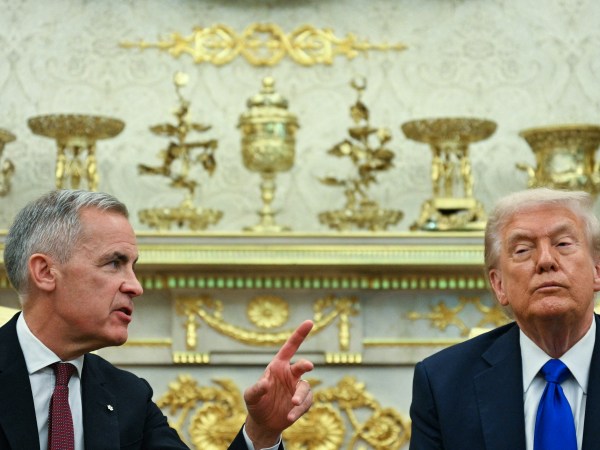
You’ve probably seen that Canadian Prime Minister Mark Carney has walked away from trade talks with the U.S. That has led the U.S. to impose staggeringly large (and certainly illegal) tariffs on Canada, and Canada is responding in kind. It’s not clear precisely what demands the U.S. made that prompted Carney to do this. Given the pain this will cause Canada, at least in the near-term far more than the U.S., they must have been not only unacceptable but an affront to Canada’s sovereignty and national dignity.
As I understand it, negotiations appeared to be going well and productively. They began as an attempt to find an agreement to forestall Trump’s original threat of a new round of draconian and illegal tariffs. Indeed, they appeared to be so near completion that an article I saw mid-week referred to Mexico eyeing and looking to negotiate a deal with comparable contours. Point being, it was a measure not only of how well the negotiations appeared to be going but how close they seemed to completion. The broad outlines were known to other interested countries.
Then Carney abruptly ended them in response to new demands.
Read More





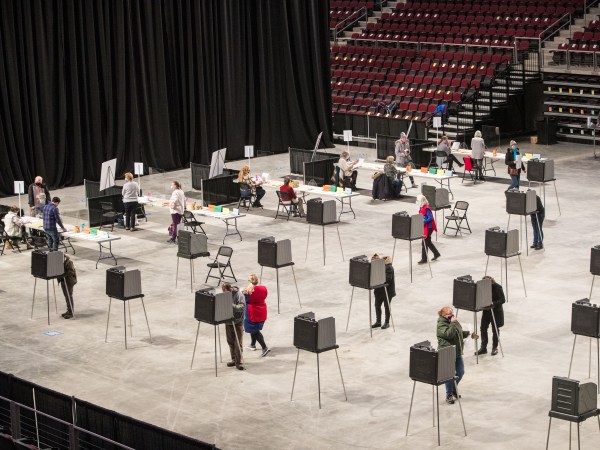

I wanted to follow up on my post about Pat Ruffini’s deep dive about the accuracy of Senate race polling in recent cycles and whether they’ve overstated Democrats’ strength. But since I wrote that post, I’ve also gotten a few emails from friends and TPM readers about polling generally. So I wanted to combine all of this together into some general comments on polling and whether we should care about it at all.
In the wake of the big apparent polling misses in Michigan and Wisconsin, we’re seeing another wave of discussion about a purported “crisis” in polling and what we should collectively do about it or what the polling industry should do about it. Mostly, the answer is there is no “crisis” — at least in the sense of one that any of us should care about as some problem for American democracy or elections or anything else. If you’re in the polling business, it may well be a problem. But if you’re not, who cares? There might be a crisis in Swiss cheese marketing too. But if I’m not a cheese monger, why do I care?
Read More