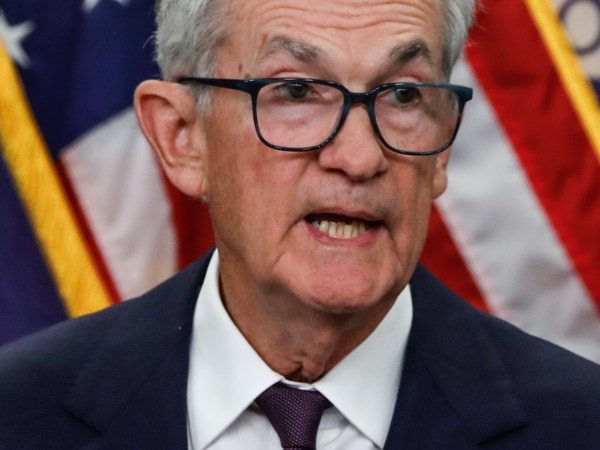

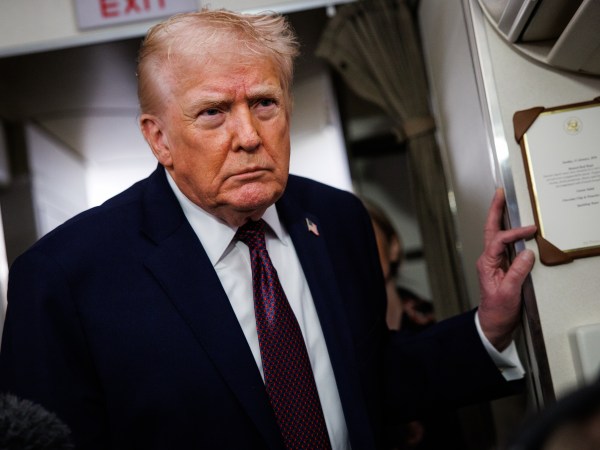
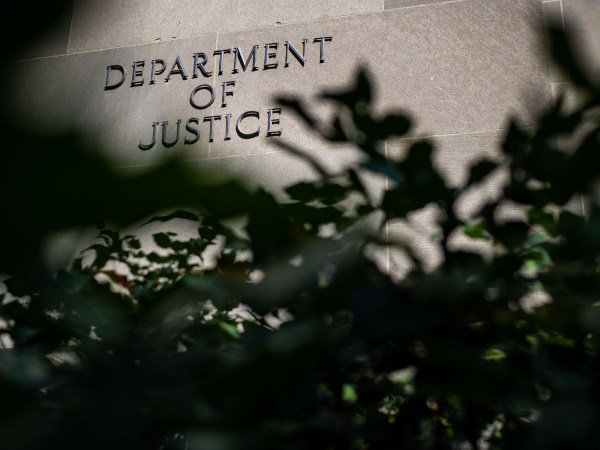

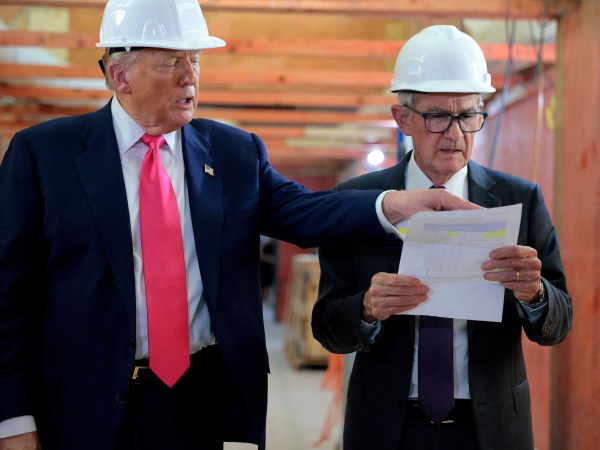
If you’re in the Washington, D.C. area at the end of this month, I want to invite you to join us for our first-ever TPM Morning Memo event. As you know, Morning Memo, from TPM’s David Kurtz, is now our anchor daily summary and analysis of the inner workings of Donald Trump’s assault on the American republic. That centrality will only grow over the course of the the coming year. The Justice Department, as we’ve seen again just in the last 24 hours with the sham investigation into Jerome Powell, is at the center of the corruption. So on Jan. 29 we’ve hosting a Morning Memo discussion about the corruption and politicization of the Department of Justice under the second Trump administration. The panelists include:
- Stacey Young, a former 18-year DOJ veteran who is the founder and executive director of Justice Connection, a network of DOJ alumni providing support to current and recent DOJ employees;
- Aaron Zelinsky, a former assistant U.S. attorney in Maryland who served on Special Counsel Robert Mueller’s team, where he prosecuted Roger Stone, and who is now a partner at Zuckerman Spaeder in Baltimore; and
- Anna Bower, a senior editor at Lawfare who covers rule of law issues and fields wacky Signal messages from Lindsey Halligan.
Attendees are encouraged to ask their own questions, and to join the panelists for a reception after. Tickets are free for TPM Inside members, who received a special discount code via email. If you’d like to purchase tickets, you can purchase them here. I’d love to see you there as we dig into this critical part of our present crisis.


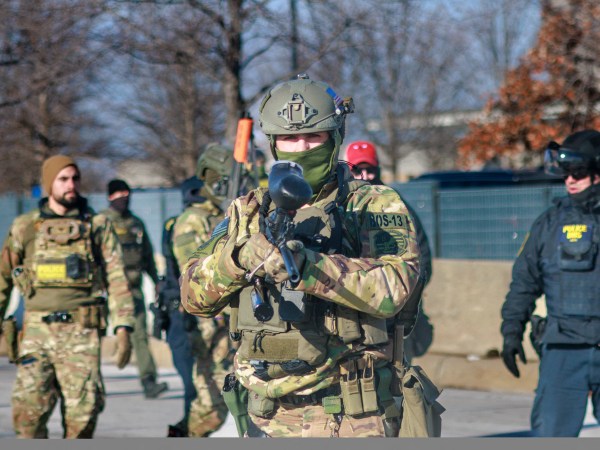

I want to return to a topic I’ve alluded to in several recent posts. The U.S. Constitution, U.S. law and U.S. civic culture all have a deep resistance to the use of the military in civilian spaces, except under the most extreme circumstances. Even then, we rely almost exclusively on what are in effect state and part-time militias, which are incorporated into the federal U.S. military but still distinct from it, at least largely based in the communities in which they are occasionally deployed. This issue came to the fore early in the second Trump administration with federalized National Guard troops deploying in various blue states and even “hostile” red states at least offering to deploy their guards into blue states. But the real game is Immigration and Customs Enforcement and Customs and Board Patrol and other, increasingly super-sized federal policing forces within the Department of Homeland Security. And they’re not military.
Over time, I’ve realized I’m being too literal about this. As a legal and constitutional matter, these aren’t military forces. They’re civilian policing agencies. But the aversion to military deployments in civilian areas isn’t simply a matter of technical designations, the formal unfreedoms of military service, the different legal code, the focus on war-fighting. There is a substantive reality of the desire to menace and dominate civilian spaces as though they are enemy territory, conquered rather than governed.
Read More