

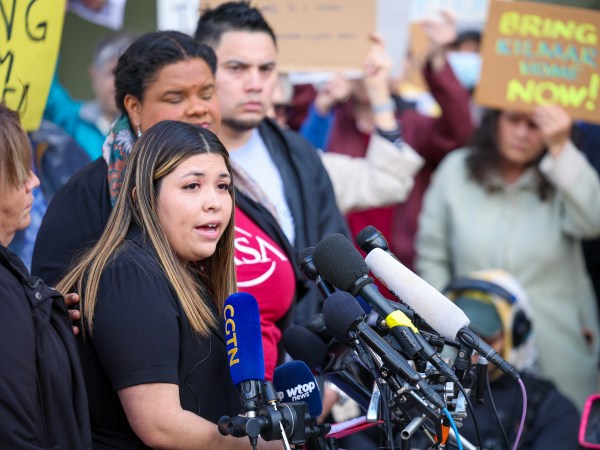


I mentioned earlier that I was speaking with a source who had an NEH grant canceled. These cancelations happened a couple weeks ago, and have been widely reported, but I wanted to share some of the atmospherics of those cancelations. By the standards of grants we’re hearing about at big research universities, the dollar value of the grant is quite small, not even that far into six figures. The specifics of the grant or the recipient or the nature of the work aren’t what I want to discuss. I know what it is. It sounds like a fascinating project. But I wanted to share some details with you because I think it provides a window into the DOGE world. Even amidst the scholarly carnage and willful destruction, it’s bizarre to the point of comedy and right back to bizarre. I can’t describe it any better than just giving you some examples.
Read More

Our conversations today are full of fairly moralizing claims about anticipatory obedience or obeying in advance. But much of what is happening is what I would classify as failures of imagination. They may have substantively the same effect, similar actions. But they’re different.
For instance, today FEMA rejected a request from Washington state for disaster relief funds for a cyclone that hit the state last fall. As these things go, the sums are relatively small — $34 million. But the flat rejection is almost unheard of, from my experience. Unheard of, but, given the players, totally predictable. At a minimum it’s immediately understandable. You know exactly why they rejected it. I’m not saying these rejections never happen. The governmental mores have changed in recent decades. Assenting to these requests is generally a matter of course and I suspect when there are disagreements it’s handled informally in a de facto negotiation. When it’s a major disaster and it’s a matter of billions it’s a different story. But from what I can tell here, FEMA just said: No. That disaster doesn’t count.
We’re already seeing signs of this across the federal government. With things that are at all discretionary, blue states are just out of luck. Washington Governor Bob Ferguson (D) said, “This is another troubling example of the federal government withholding funding.”
That’s it?
Read More



Last week I asked some questions about the law firm “agreements” with Donald Trump that seem very unclear from the available news coverage. Namely, where are the agreements? Are they formal agreements committed to writing? Who are the parties? Are they signed?
Sources from the Big Law firms who inked (maybe?) new agreements last week gave me a lot more visibility into what these deals are about. So I want to share that with you.
First, I want to renew my request to lawyers at the big firms to reach out and share information. I can not only protect your confidentiality, I can keep your firm anonymous as well. See more in the addenda at the end of this post.
Now let’s get down to business. Let’s start with what and where are the agreements?
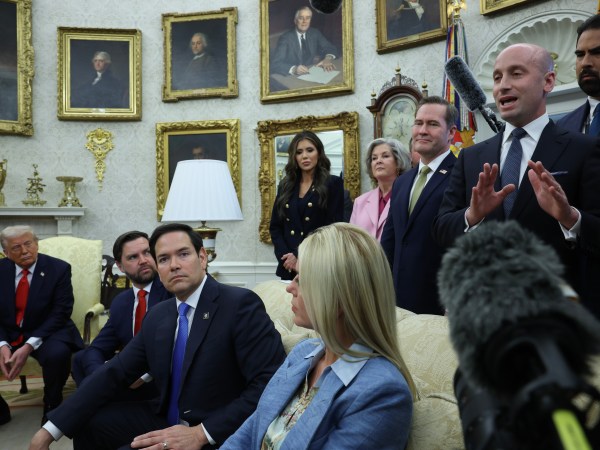
You’ve likely seen that Harvard officially and publicly refused the Trump White House’s latest set of demands. You can see the letter here. I would say that if you’re going to read only one letter, it should actually be the one the White House (notionally the GSA, HHS and Education) sent to Harvard, which the university published along with its response.
It’s a very clarifying letter. It’s not too much to say it essentially demands operational control over the whole university or perhaps more specifically a kind of receivership of the sort police departments sometimes go into under consent to decrees after they’re caught framing or torturing prisoners. When I first read it I was not … well, certainly not happy to see it but it occurred to me that the demands were not only substantively of an indefensible character but also very tenuous legally. It’s good to have this fight on these grounds because, as I said, they demand to put the entire university under the direct control, down to hiring, curriculum, admissions and more, of MAGA operatives. It’s been suggested to me by one person familiar with the university’s decision-making that waiting for the White House to spell out all its demands on paper may have been by design to put the university’s refusal on the surest legal footing. If that’s the case, it was smart to wait.
Read More