

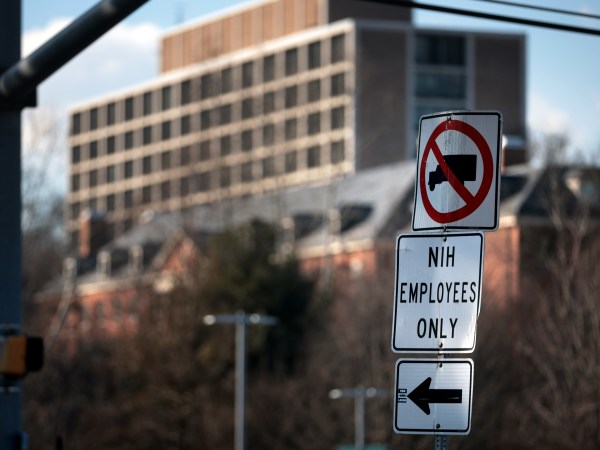

From the beginning of this drama going on a month ago, the White House has been laser-focused on shutting down government-supported medical research in the United States. Of course, much of that is research into cancer cures or fundamental research building toward the same. The precise goal of all this shutting down is difficult to uncover — likely one half an effort to destroy or exercise control over academic/research institutions mixed with post-COVID hostility to medical research itself. On paper the effort was put on hold by a mix of the White House backing off and the original orders being blocked by judges. But in fact the White House has found very effective workarounds to evade the impact of those court orders. And that evasion, or those alternative paths to shutting down research grants, has accelerated, clamping down even harder this week.
Read More

A new episode of The Josh Marshall Podcast is live! This week, Kate and Josh discuss the compromising of Eric Adams, Elon Musk’s role as heat shield for Donald Trump and a new executive order.
Read More


To share confidential tips about events unfolding in the federal government you can contact me on Signal at joshtpm dot 99 or via encrypted mail at joshtpm (at) protonmail dot com.
I don’t like to think in conspiratorial ways. But DOGE currently has far deeper and far more extensive access to U.S. government computer systems — and is far deeper into the national security space — than is conceivably necessary for anything related to their notional brief and goals. I don’t just mean this about the front-facing notional goals of making the federal government “efficient.” I mean it as well in the most sinister versions of the group’s goals — hollowing out the federal bureaucracy, destroying oversight agencies which pose threats to Musk’s business interests, building centralized command and control over budgets, employment, personal data, etc., etc.
WIRED is now reporting that two DOGE operatives, including the 19-year-old Edward Coristine (aka “Big Balls”), have gained access to the computer systems of the Cybersecurity and Infrastructure Security Agency (CISA), the agency charged with the defense of the federal government’s civilian computer networks as well as helping to organize the defense of the country’s critical infrastructure.
Read More